
California Fuel Station Operators Sued Over AI-Driven Price Coordination
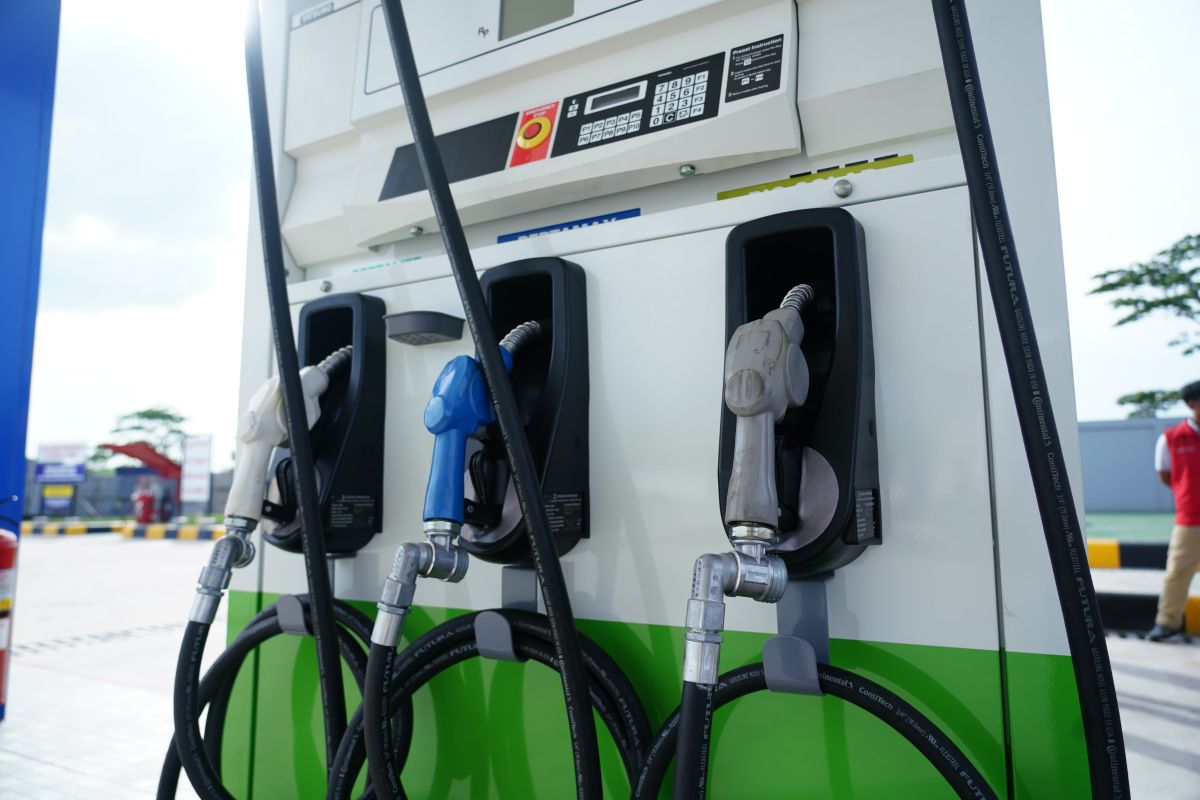
A group of California residents has accused major fuel station operators in the state of using shared pricing software to coordinate petrol prices, potentially burdening motorists with millions of dollars in additional costs. If proven in court, the case could become one of the most significant legal tests to date regarding the growing role of artificial intelligence (AI) in pricing. California is known for many things, but few irritate residents as much as fuel prices, which are already among the highest in the United States. The lawsuit, filed in federal court in Sacramento on 22 June, names Walmart, Marathon Petroleum, BP, 7-Eleven, and fuel pricing software provider Kalibrate Fuel Systems as defendants. According to the plaintiffs, more than 1,700 petrol stations in California use Kalibrate’s AI-powered platform to automatically adjust fuel prices by leveraging confidential market data shared among participating retailers. The lawsuit states: ‘When families are struggling to afford their commutes to work, the defendants conspired to end competition, joining an AI-powered cabal to ensure that wherever drivers go, prices remain artificially high.’ At the heart of the case is AB 325, a newly enacted California law passed in 2025 that prohibits the use of shared pricing algorithms which can facilitate anti-competitive behaviour. The legal action comes just weeks after California authorities issued subpoenas to several fuel station operators as part of an investigation into high petrol prices. For now, the allegations remain unproven. Kalibrate has addressed the matter on its official website, stating: ‘Each retailer’s AI instance is completely separate, with no shared data or models, and no interaction between competitors.’ A Walmart representative said the company is reviewing the lawsuit and will respond appropriately in court, whilst BP declined to comment. Marathon, 7-Eleven, and Kalibrate did not respond to requests for comment.