
Calculating the Efficiency of the Indomobil Emotor Sprinto: Is It Economical for Daily Use?
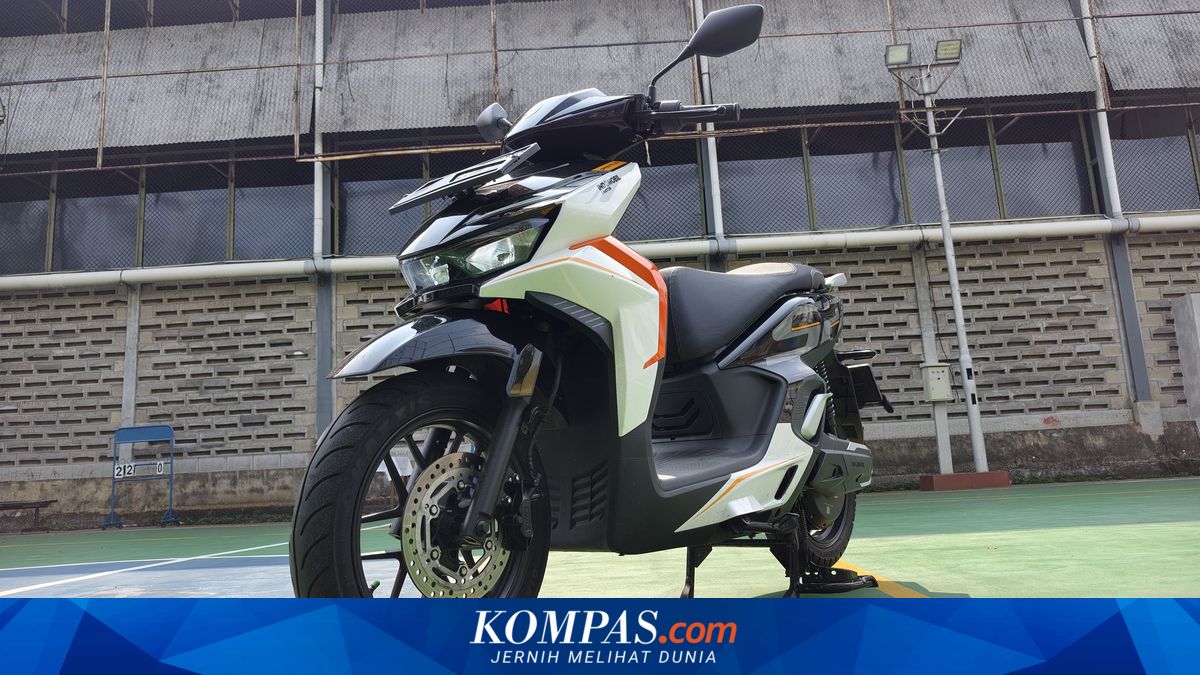
After examining the design, specifications, and features of the Indomobil Emotor Sprinto, this time I calculate how efficiently it uses electricity in daily use. With a Lithium battery capacity of 2.45 kWh, the manufacturer claims the motor can travel up to 110 km. But how does this hold up when calculated based on power consumption per kilometre across different road conditions?
The journey starts in Bogor with the battery fully charged at 100 percent, the odometer showing 490 km. On the first leg towards the Petukangan area, the traffic conditions I encountered were friendly and fairly smooth. With a steady driving style and smooth road conditions, Sprinto records an efficiency of 22.14 Wh/km. In conversion, 1 kWh of energy can propel the motor for 45.16 kilometres.
Interestingly, in the midst of congestion and when finding gaps, I no longer drove leisurely. I attempted to test its maximum performance by accelerating the electric motor rated at 3.5 kW up to a top speed of 90 km/h. By the time I reached the Kompas Tower parking area, the odometer stood at 552 km and the remaining battery indicator had dropped to 41 percent. The combination of stop-and-go traffic and aggressive high-speed driving caused the energy consumption to rise. On this leg, efficiency dropped to 29.4 Wh/km, or about 34.01 kilometres per kWh. The instant torque of 195 Nm from Sprinto is indeed enjoyable for manoeuvring, but the consequence is a more aggressive drain on the battery.
Source: jawawa.id (https://jawawa.id/newsitem/calculating-the-efficiency-of-the-indomobil-emotor-sprinto-is-it-economical-for-daily-use-1779546118)
Originally published by Kompas (https://otomotif.kompas.com/read/2026/05/19/190100615/menghitung-efisiensi-indomobil-emotor-sprinto-hemat-untuk-harian-?utm_source=ABC&utm_medium=rss), translated from Indonesian