
Cakung-Cilincing Traffic Engineering Must Be Temporary and Proportionate
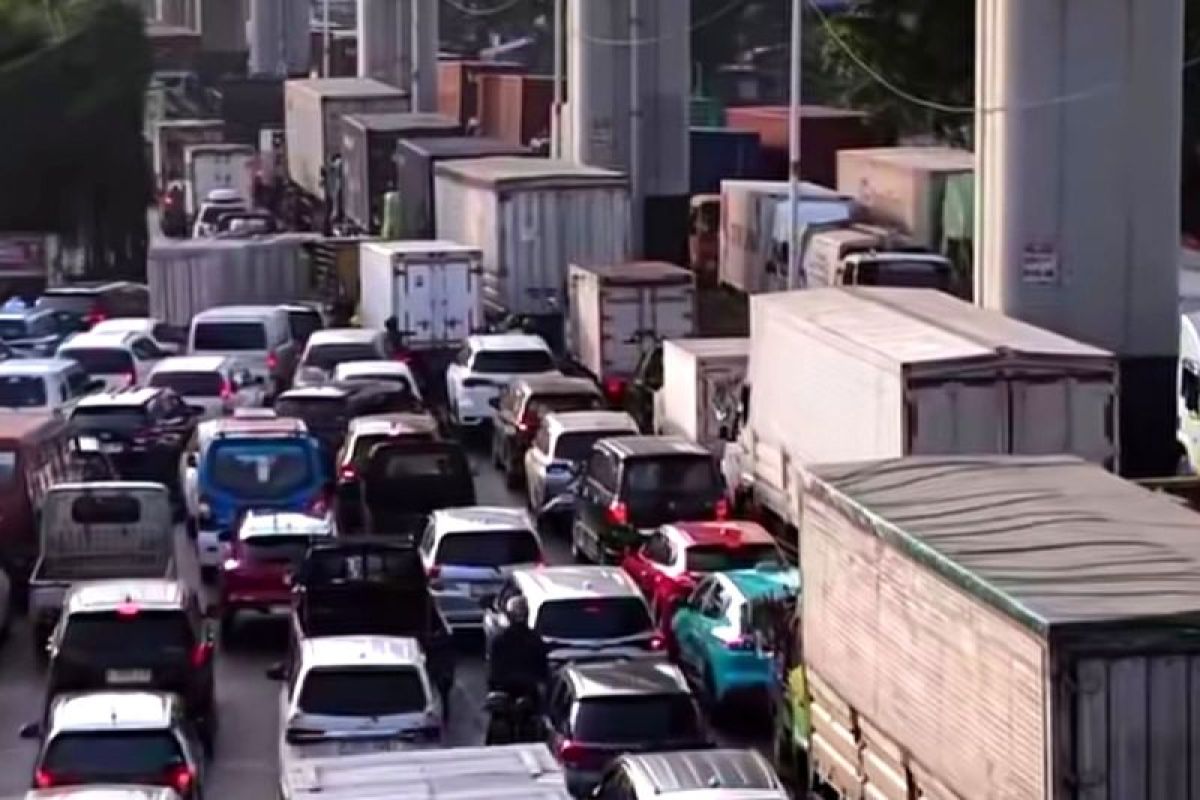
Transport analyst Deddy Herlambang believes traffic engineering remains necessary as a solution to ease the severe congestion that frequently occurs in the Cakung-Cilincing area. However, he stressed that its implementation must be carried out carefully and not on a permanent basis.
According to Deddy, such engineering should be temporary and adjusted to actual congestion levels on the ground. This is important so that the policy does not end up inconveniencing other road users.
“Traffic engineering still needs to be done. For example, vehicle flow could be made one-way, or container loading and unloading activities could only be permitted at night, say from 9pm onwards,” said Deddy on Thursday (23/7).
One of the options proposed is making vehicle flow one-way at certain times. He also highlighted the importance of regulating loading and unloading activities and container truck movements so they are not carried out during rush hours, when private and public vehicle volumes are high.
Deddy emphasised that traffic engineering must be applied proportionally. He reminded that the interests of one group of road users, in this case logistics transport, must not sacrifice the interests of the wider public using the same routes.
“Traffic engineering remains necessary because it must not disadvantage other road users. Container trucks are not priority vehicles like fire engines or ambulances,” he asserted.
He further added that this engineering scheme should only be activated when congestion escalates severely. That way, traffic flow in the industrial and port area can be maintained without continuously burdening public mobility.
“Traffic engineering is only temporary in nature, only when severe congestion occurs,” Deddy concluded.
North Jakarta’s Transport Sub-agency has identified container depot operations in Cakung as the cause of congestion on the Cacing route and is preparing a buffer zone strategy.
The DKI Jakarta Transport Agency is pushing for increased operational capacity at Pelindo depots to ease the severe congestion in Cakung-Cilincing.
DKI Jakarta Governor Pramono Anung has made the buffer zone tariff at Tanah Merdeka Terminal free until 5 August 2026 to relieve congestion caused by container parking.