
Cakung Barat accelerates closure of illegal dumpsites for better waste management
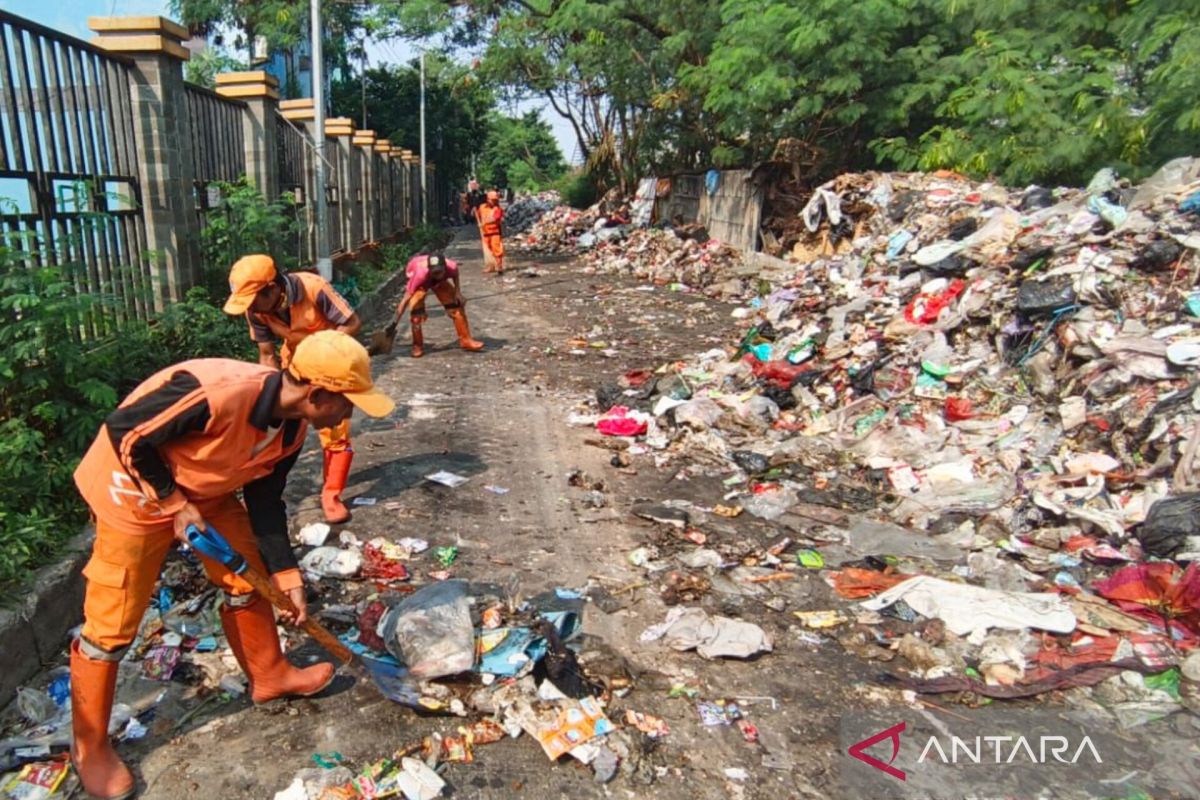
The Cakung Barat sub-district in East Jakarta is accelerating the closure of illegal waste disposal sites to establish an orderly and sustainable waste management system. “Closing illegal dumpsites is not just about relocating waste disposal locations, but is part of a change in waste management patterns that must begin within each community,” said East Jakarta Mayor Munjirin when contacted in Jakarta on Wednesday. According to him, the success of waste management does not depend solely on the government, but also requires the support of all elements of society, from neighbourhood and community unit administrators, environmental cadres, to residents. In addition, local government ranks need to conduct regular monitoring of former illegal dumpsite locations to prevent them from being used again as illegal disposal sites. As of this week, six illegal dumpsites in the RW 03 area along Jalan Komarudin, west of the toll road, have been successfully closed. The sub-district government has also closed dumpsites in RW 09 and RT 09/RW 08 Cakung Barat as part of efforts to create a structured waste management system. Meanwhile, Cakung Barat Sub-district Head Yasir Habib Putra is targeting the gradual elimination of indiscriminate waste disposal practices, while encouraging residents to manage waste from the source. This effort continues with plans to close a dumpsite in the RW 04 area next week. Furthermore, the Cakung Barat sub-district has cleared the Albo dumpsite in RW 08, which is now the only waste disposal location for residents in that neighbourhood. “RW 08 is one of the most densely populated areas in Cakung Barat Sub-district. However, we suspect the accumulated waste does not only come from local residents, but also from outsiders who previously disposed of waste at the now-closed dumpsites,” Yasir explained. After the clearing process is complete, officers will guard the site intensively, especially at night, to prevent further illegal dumping. Residents or outsiders caught disposing of waste indiscriminately will be asked to turn back and will not be allowed to dump waste in the area. Furthermore, residents who fail to sort their waste according to the results of community deliberations will face gradual sanctions, ranging from warnings to the suspension of local administrative services. Through these efforts, Yasir hopes the waste management system can operate more effectively, thereby reducing waste accumulation, creating a cleaner environment, and fostering a culture of waste management that starts at the source.