
Cabinet Secretary Teddy: Work Culture Transformation and Efficiency Policies Take Effect on 1 April
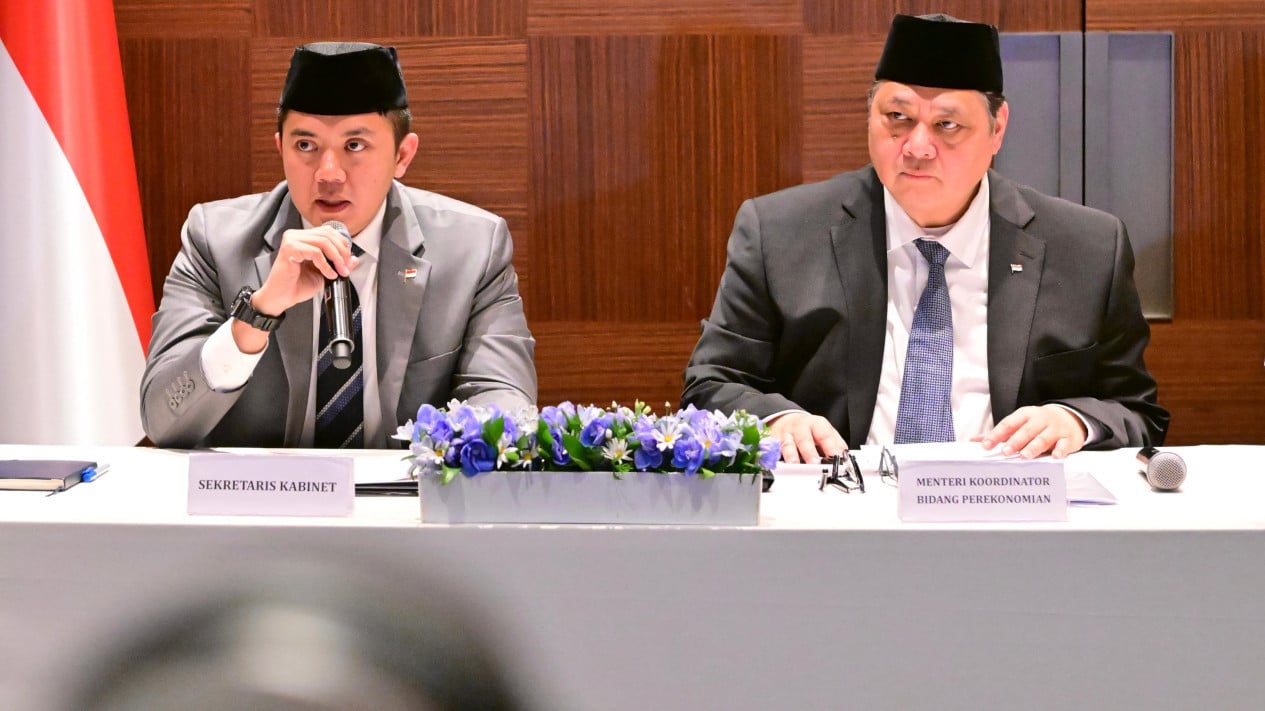
The government has officially established national work culture transformation and energy efficiency policies as part of a strategy to adapt to global dynamics while strengthening national economic resilience. These policies take effect today, Wednesday, 1 April 2026.
Cabinet Secretary Teddy Indra Wijaya emphasised that this government initiative is being undertaken in a context of stable national economic conditions, with secure stocks of fuel oil (BBM) and maintained fiscal health of the state.
“The work culture transformation and energy efficiency policies apply from 1 April 2026,” stated Cabinet Secretary Teddy via the Cabinet Secretariat’s Instagram, as quoted from ANTARA, Wednesday, 1 April 2026.
Cabinet Secretary Teddy explained that the current situation serves as a driver for changes in work culture and societal energy consumption patterns to become more efficient, productive, and adaptive to contemporary developments.
One of the main policies implemented is the nationwide work-from-home (WFH) requirement for civil servants (ASN) for one day per week, specifically every Friday.
The government is also urging the business world and private sector to follow suit as part of efforts towards service digitalisation, reduced mobility, and national energy consumption savings.
Nevertheless, the government assures that public services and strategic sectors will continue to operate normally under a work-from-office (WFO) system.
The health, security, cleanliness, industrial and production, energy, water, basic commodity distribution, food and beverage, trade, transportation, logistics, and financial sectors will remain fully operational. Educational activities will also proceed without changes, continuing through face-to-face learning.
Furthermore, the government is implementing major efficiencies in state expenditure. Domestic official travel has been reduced by up to 50 per cent, while overseas official travel has been cut by up to 70 per cent.
The government is restricting the use of official vehicles and encouraging state apparatus to utilise public transportation.
These efficiency measures are accompanied by a budget refocusing policy amounting to Rp121 trillion to Rp130 trillion, redirected to various national priority programmes, including the recovery of the Sumatra region.
In the energy sector, the government has mandated the purchase of subsidised BBM using a barcode system via the MyPertamina application, with a maximum daily purchase limit of 50 litres for non-public transport vehicles.