
Cabinet Secretary Teddy denies education budget cuts for free nutritious meals programme
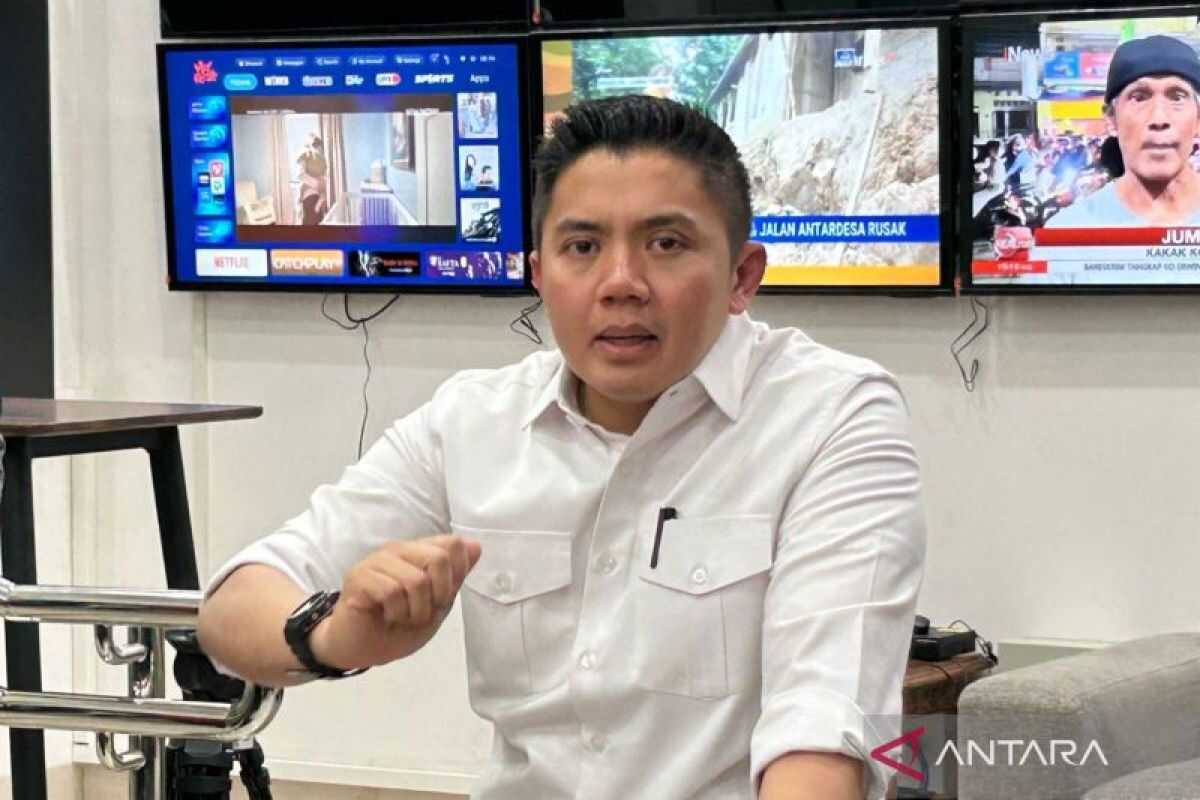
Jakarta — Cabinet Secretary (Seskab) Teddy Indra Wijaya has affirmed that there has been no reduction in education spending as a result of implementing the Free Nutritious Meals (Makan Bergizi Gratis, MBG) programme.
He described as incorrect the narrative claiming that MBG reduces education programmes and budgets, leaving schools neglected and teachers unsupported.
“Some parties have stated that the Free Nutritious Meals programme is reducing education programmes and budgets, causing schools to be abandoned and teachers to be overlooked. I want to address this as an incorrect narrative,” said Teddy at the Presidential Palace Complex in Jakarta on Friday.
According to Teddy, the education budget of 20 per cent of the state budget (APBN) or Rp769.1 trillion this year was jointly agreed between the government and parliament last year, including its detailed allocation.
Therefore, there has been no unilateral reallocation of education funds to finance MBG. He stated that all strategic education programmes from the previous period continue to operate.
Programmes such as the Indonesian Smart Card (Kartu Indonesia Pintar, KIP) and the Indonesian Smart Programme (Programme Indonesia Pintar, PIP) remain in place. Moreover, under President Prabowo Subianto’s administration, additional programmes such as People’s Schools have been introduced, targeting out-of-school children or those without educational opportunities.
Regarding concerns about school damage due to budget cuts, Teddy explained that management authority for senior secondary schools lies at provincial level, whilst primary and junior secondary schools fall under district/municipal authority.
In 2025, the government has undertaken renovations of 16,000 schools with a total budget of approximately Rp17 trillion through the Ministry of Primary and Secondary Education.
Furthermore, the government is also strengthening learning digitalisation by distributing 280,000 digital television units to schools in 2026 and will increase this distribution this year.
Teddy emphasised that the primary objective of the MBG programme is to improve human resource quality from an early age, thereby strengthening the education ecosystem as a whole.
“This is an initial foundation for improving education,” he concluded.