
Cabinet Secretary Asserts No Plans to Withdraw TNI Troops from Lebanon
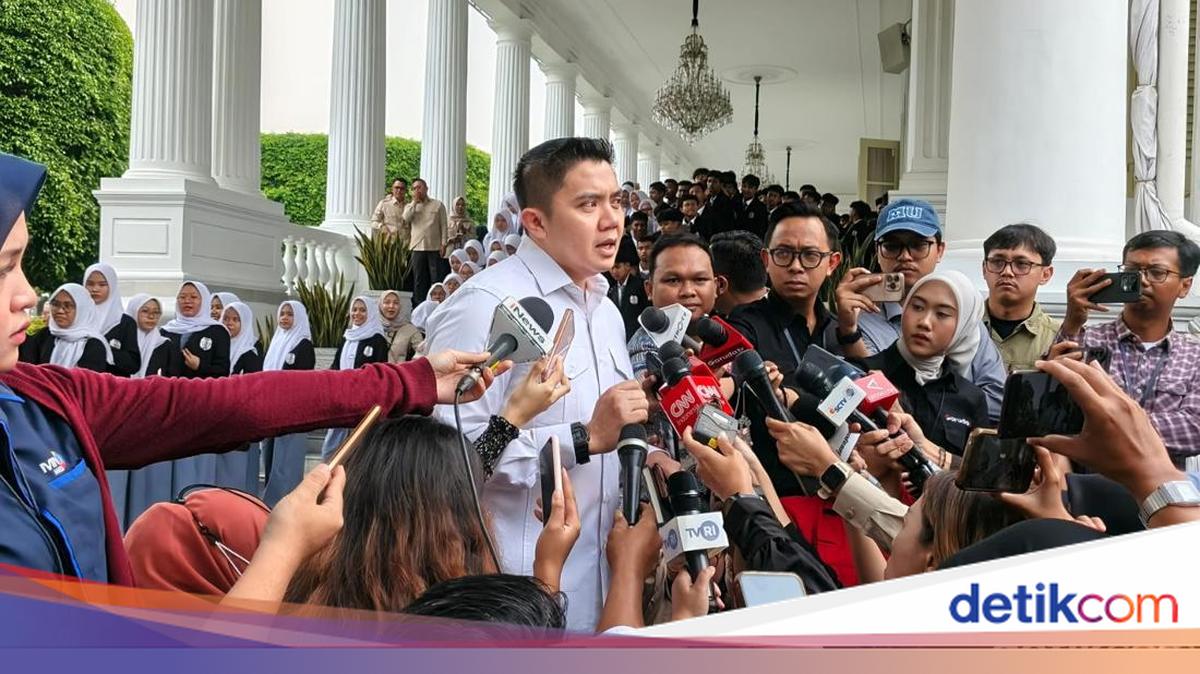
Cabinet Secretary Teddy stated, “Oh, there are no plans for that (withdrawing TNI troops). Evaluations are ongoing, both internal and external. And I believe the TNI Commander and the Foreign Minister are very firm regarding all our soldiers abroad and at home,” he said at the Presidential Palace complex in Jakarta on Friday (10/4/2026).
The deployment of TNI troops in Lebanon, according to Teddy, is mandated by the preamble of the 1945 Constitution. Therefore, the purpose of deploying troops to Lebanon is part of the agenda for world peace.
“So I think it has been clearly stated that in accordance with the fourth paragraph of the preamble of the Constitution (1945), it is about organising the world. So we send troops there to maintain peace, and we are firm on the existing evaluations, something like that,” he said.
The UN previously released the results of a preliminary investigation into the cause of death of three TNI soldiers on duty with UNIFIL in Lebanon. The UN stated that one TNI soldier was killed by a tank projectile fired by the Israeli military into Lebanon.
“Regarding the incident on 29 March, based on the available evidence, including impact location analysis and particularly the projectile fragments found at the United Nations position 7-1, the projectile was a 120 mm main tank round fired by an Israeli Defense Forces Merkava tank from the east towards Ett Taibe,” said UN Secretary-General’s spokesperson Stephane Dujarric in a press conference, quoted on Wednesday (8/4).
Meanwhile, Stephane said, the other two TNI soldiers were killed by an improvised explosive device (IED). Stephane mentioned that the IED was likely planted by Hezbollah militants.
“Regarding the incident on 30 March, based on the available evidence, including explosion location analysis, the affected vehicle, and the second IED device found near the location on the same day, the explosion was caused by an IED activated by the victim (tripwire). The investigation assesses that, given the location of the incident, the characteristics of the explosion, and the current context, the IED was most likely planted by Hezbollah,” he said.
Stephane emphasised that these are preliminary findings from the investigation. Stephane noted that the UN’s full investigation process is still ongoing.
“I must reiterate that these are preliminary findings based on initial physical evidence. The full investigation process by the United Nations is still ongoing, including necessary procedures and engagement with relevant parties to fully understand the context and circumstances amid the ongoing hostile situation,” he said.