
BYD Patents System to Detect Living Beings Under Vehicles
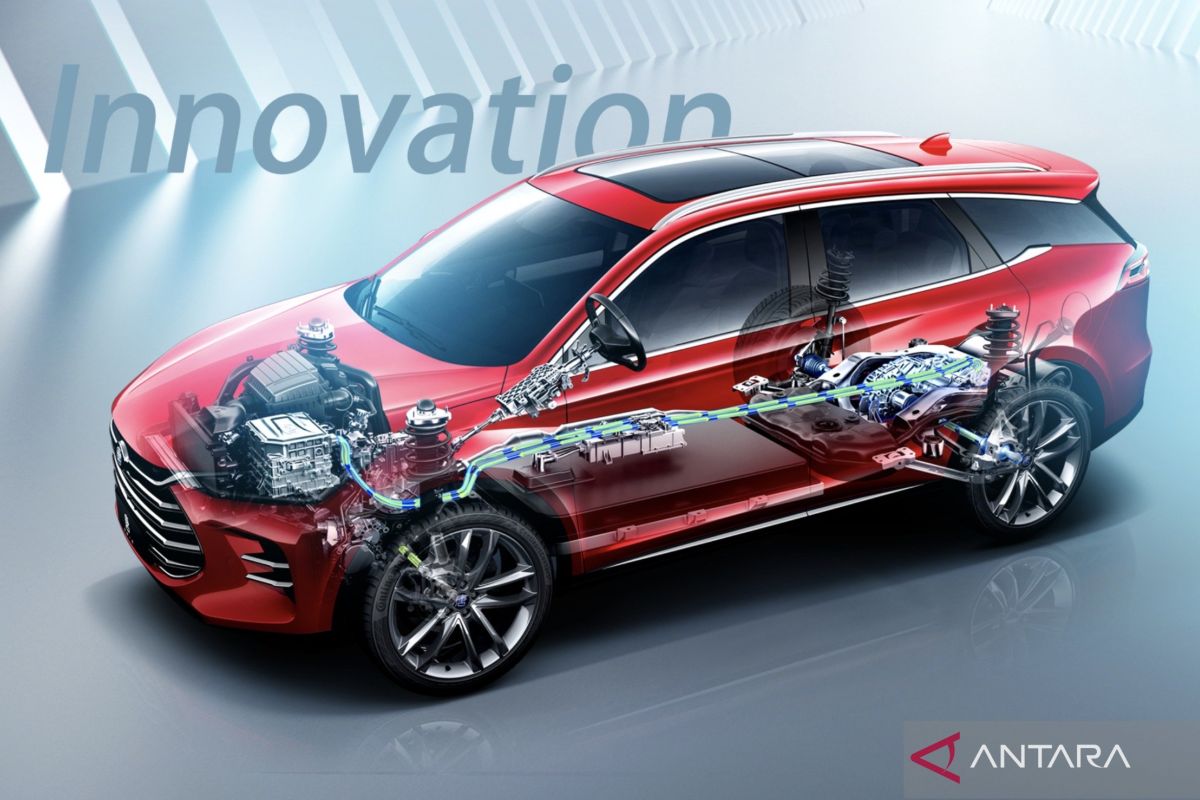
BYD is reported to have issued a new patent covering technology for detecting living beings under a vehicle, as part of an effort to expand the use of computer vision and safety monitoring.
As reported by Carnewschina on Saturday (13/6) local time, the patented system works by capturing images of the vehicle’s undercarriage while the car is stationary, then saving them as reference images. Subsequently, real-time images are compared against these reference images.
Rather than continuously analysing the entire area under the vehicle, the system first identifies different parts of the reference image. This architecture is designed to reduce unnecessary computational processes, as static components such as the suspension, battery housing, aerodynamic panels, and vehicle frame structures generally do not change from one scan to the next. Consequently, computational resources can be focused on new objects or movement detected beneath the vehicle.
Once the changed areas have been successfully isolated, the system extracts feature information to determine if there are living beings present and evaluates their condition.
This patent is not a standalone development. Previously, BYD also revealed technology to detect passengers left inside a vehicle using radar impulse response data, frequency domain features, and signal angle-of-arrival analysis. Both systems complement monitoring on different sides of the vehicle.
This strategy indicates that BYD is building a broader sensor ecosystem by combining computer vision technology, radar processing, and intelligent monitoring systems. The publication of this patent adds to the list of BYD technologies focused on sensors, monitoring, and vehicle intelligence.
Alongside several patents related to solid-state batteries and charging technology, these documents demonstrate the breadth of research and development currently being undertaken by BYD. However, the publication of a patent does not mean the technology will be immediately implemented in production vehicles. To date, the patent documents have not revealed any specific vehicle applications, launch schedules, or plans for the commercialisation of this technology.