
BYD Hopes PHEVs Can Be Exempt from Jakarta's Odd-Even Traffic Policy
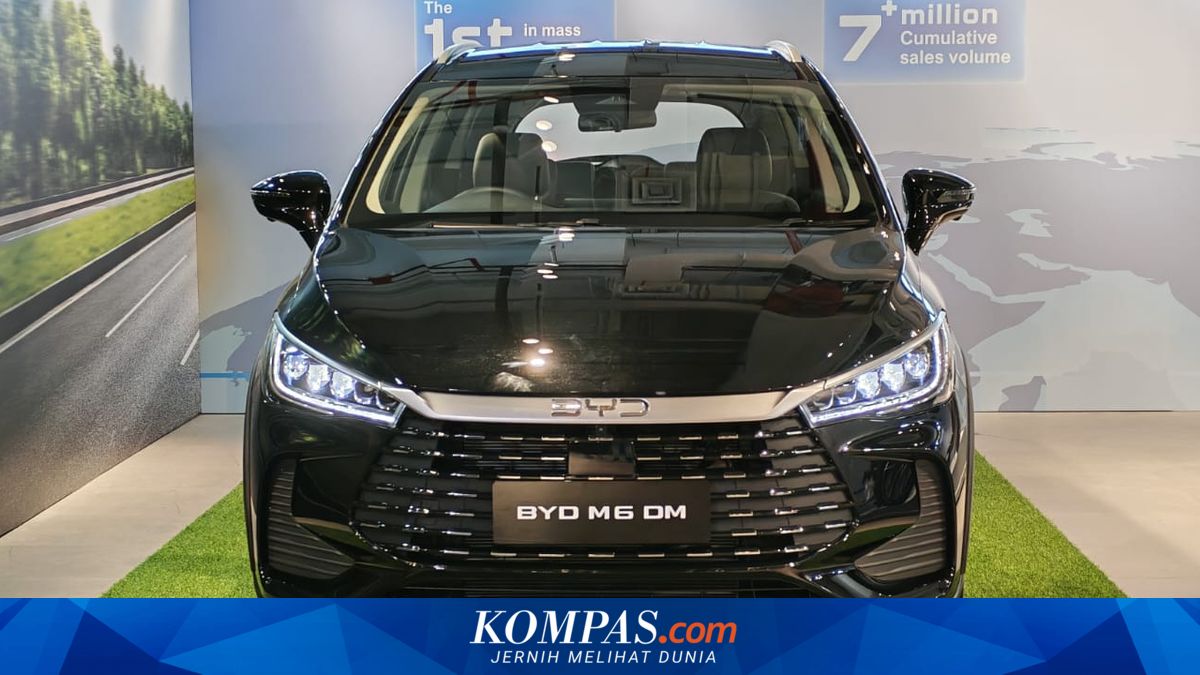
JAKARTA — BYD hopes that plug-in hybrid electric vehicles (PHEVs) will receive treatment similar to battery electric vehicles (BEV) in Indonesia, including various fiscal and non-fiscal incentives. Currently, PHEVs do not enjoy several privileges granted to pure electric cars (BEV), such as exemptions from the ‘odd-even’ traffic rationing policy in Jakarta.
Furthermore, from a fiscal perspective, PHEVs are still subject to Luxury Goods Sales Tax (PPnBM), although the rate is lower than that of conventional hybrid cars. The Head of Public & Government Relations at PT BYD Motor Indonesia, Luther Panjaitan, stated that the company understands the Indonesian government’s policy direction, which focuses on transitioning towards more environmentally friendly energy.
“We understand that the entire structure of fiscal and non-fiscal policies established by the Indonesian government is aimed at a transition towards more renewable and environmentally friendly energy,” Luther said in Jakarta on Monday (18/05/2026). “At present, PHEVs are indeed categorised slightly below BEVs, even though in many countries, PHEVs are treated at the same level as BEVs.”
Luther explained that BYD maintains a long-term perspective on the Indonesian market. The company is not only focusing on current policies but also on the potential development of electrification technology in the future. “PHEVs, or DM technology, can serve as a complementary solution for areas outside of urban centres,” he added.
He assessed that this technology could meet the needs of the public who desire efficient and powerful vehicles without having to rely entirely on public electric vehicle charging stations (SPKLU). Additionally, PHEVs are considered relevant amidst rising mobility costs and the need for fuel efficiency. Consequently, BYD hopes that in the future, PHEVs can be included in the green technology category and receive broader policy support in Indonesia.
“In the long term, we hope this new technology can also be categorised as green technology,” said Luther. Unlike conventional hybrids, DM technology prioritises an electric motor as the primary driver of the vehicle, while the petrol engine functions to support efficiency and supply electricity when required.