
BYD adds 10 ships, increasing export capacity to 2.5 million cars per year
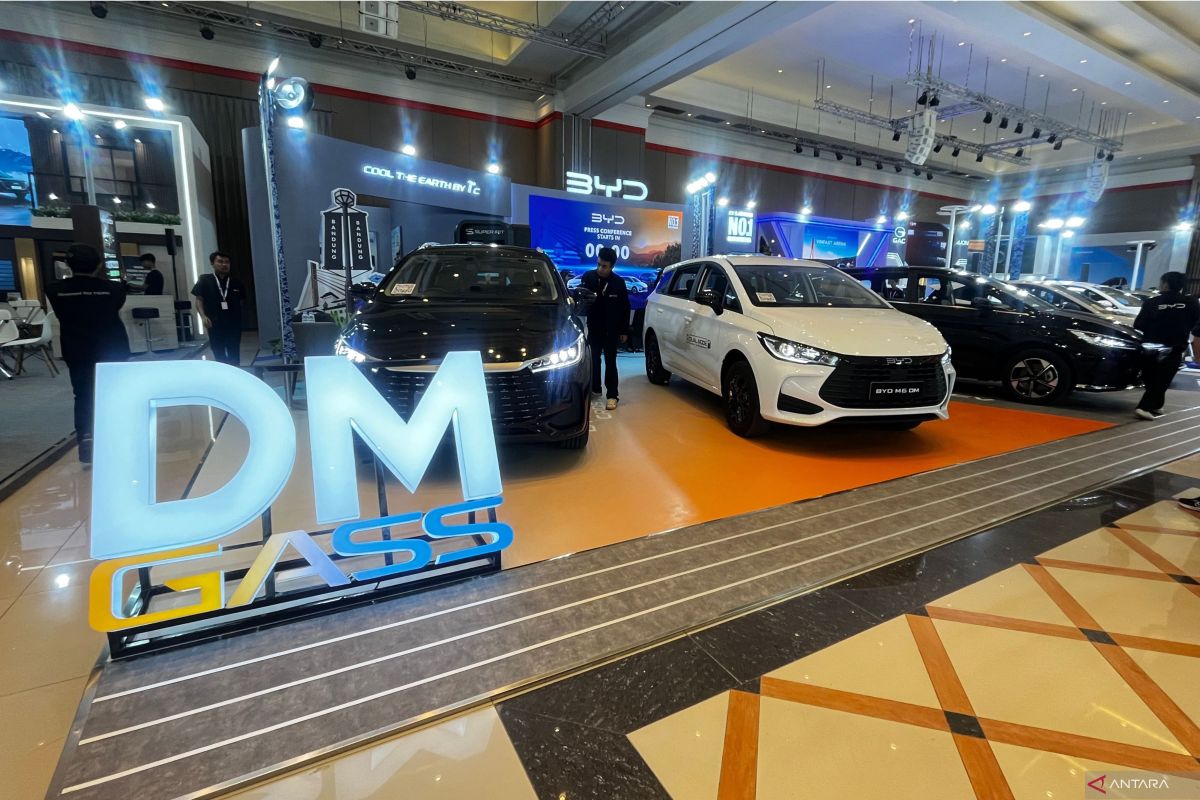
BYD has reportedly ordered an additional 10 car carrier ships, each with a capacity of 9,200 car equivalent units (CEU), according to maritime publication New Ships and the shipping platform Robin Assasfina, as cited by Carnewschina on Friday local time.
This addition of 10 new vessels is expected to increase BYD’s export capacity from its previous 1 million units to 2.5 million cars per year. The vessels are classified as pure car and truck carriers (PCTC), specifically designed for vehicle transport. Capacity is measured in CEU rather than a fixed number of specific vehicle sizes.
The reported order will add 92,000 CEU in transport capacity, bringing BYD’s total fleet to 18 ships with a combined capacity exceeding 130,000 CEU. This figure represents the total fleet capacity rather than the number of cars transportable within a single year.
China Merchants Industry is set to construct these vessels at the Jinling and Haimen shipyards, with deliveries scheduled between 2027 and 2029, according to the report. The articles did not specify the contract value, nor was there an official announcement from BYD or the shipbuilders.
All the car carriers are RoRo (roll-on/roll-off) vessels, designed to carry wheeled cargo, allowing vehicles to be driven on and off the ship without the use of containers. BYD’s existing eight ships have capacities ranging from 7,200 to 9,000 cars, depending on the vessel type.
The Shenzhen-based automaker completed its initial fleet in less than two years, starting with the Explorer No. 1, which was delivered to BYD in January 2024. The shipbuilder, CIMC, stated that the vessels were delivered to the shipping company Zodiac Maritime and subsequently chartered by BYD.
As the initial fleet of eight RoRo ships was reported to have the capacity to export 1 million cars per year, the addition of these 10 new ships is expected to raise BYD’s export capacity to 2.5 million cars annually.
While Thailand remains unaffected by the European Union’s countervailing duties on Chinese electric vehicle manufacturers, BYD is subject to an additional 17 per cent tariff on top of the existing 10 per cent rate. Meanwhile, BYD exported 184,000 passenger vehicles from China in August, a year-on-year increase of 131 per cent and a 6 per cent increase from July, accounting for 35.4 per cent of China’s new energy passenger vehicle exports.
Cumulatively, BYD’s exports from January to August reached 1.127 million vehicles, an 88 per cent increase compared to the same period in 2025. However, BYD’s brand sales in the domestic market fell by 35 per cent year-on-year to 184,000 units in August, while January-August sales reached 1.15 million units, a 43 per cent decrease compared to the same period last year.
BYD’s strategy is straightforward: to expand globally as much as possible and enjoy high profit margins abroad, while attempting to survive in the domestic market, where intense price wars and overcapacity appear unlikely to end. To illustrate the current situation, profit margins in the Chinese automotive industry fell to a low of 3.2 per cent in the first quarter of 2026, according to the CPCA.
Many global brands, such as Toyota, Volkswagen, and Nissan, have struggled to remain viable under these conditions. In August, 78 per cent of passenger car sales in China came from domestic brands, compared to just approximately 35 per cent in 2020, according to data from the China Association of Automobile Manufacturers (CAAM) monitored by China EV DataTracker.
Source: jawawa.id (https://jawawa.id/newsitem/byd-adds-10-ships-increasing-export-capacity-to-2-5-million-cars-per-year-1789139380)
Originally published by Antara (Indonesian) (https://otomotif.antaranews.com/berita/5737109/byd-tambah-10-kapal-kapasitas-ekspor-jadi-25-juta-mobil-per-tahun), translated from Indonesian