
Bybit: Sharia-compliant crypto could unlock new market potential in Indonesia
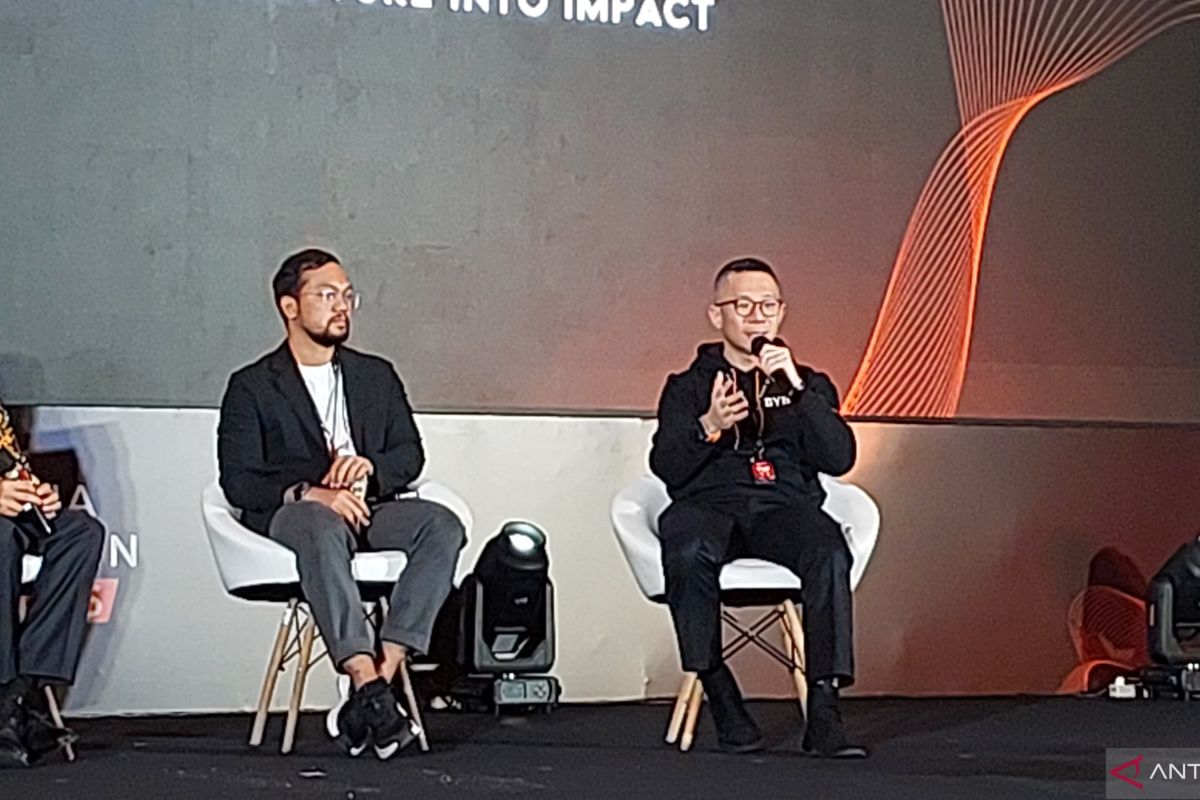
Jakarta (ANTARA) - Bybit Indonesia’s Head of Sharia Development, Ronald Yusuf Wijaya, said a sharia-principle-based crypto ecosystem could open up new market potential in Indonesia, given the large number of asset users while also bridging the need for investment products that comply with sharia principles.
“We have the largest Muslim population and there are also many use cases from Indonesia. With the existing potential, we should be able to become one of the main players,” Ronald said at the Indonesia Blockchain Week 2026 event in Jakarta on Wednesday.
According to him, this opportunity is increasingly opening up as the number of crypto asset users in Indonesia grows. Based on OJK data he presented, the number of crypto investors has reached around 22 million users.
This potential is considered even greater if digital asset options are available that suit sharia needs and principles. He also said the development of sharia crypto products could potentially make Indonesia more competitive at the global level.
However, the development of sharia crypto needs to be carried out by considering the Indonesian context, including differences in views and market characteristics. According to him, assets deemed sharia-compliant globally are not necessarily relevant to be applied directly in Indonesia.
He explained that an asset initially deemed not sharia-compliant could change once it has clearer utility. Conversely, an asset previously deemed sharia-compliant could also potentially change if its function, benefits, or usage undergo changes.
“When talking about curation, this cannot stand alone. The contextual issues must be considered. Because points that have been listed as sharia-compliant globally may not be relevant in Indonesia; a periodic curation and evaluation process is needed,” Ronald said.
According to Ronald, the development of sharia crypto is not only related to compliance with religious principles, but can also bring broader values, such as transparency and responsible risk-taking that can be applied to all crypto asset owners.
Therefore, he said supervision is needed from parties with competence in the sharia field. He encouraged the involvement of scholars, regulators, academics, industry players, and the media through a pentahelix approach to build a more credible sharia crypto ecosystem.
He added that the future development of crypto will not only revolve around digital asset trading activities. Blockchain technology is also beginning to develop towards various services such as payments, real world assets (RWA), and other digital financial services.
With an increasingly clear sharia framework and ecosystem support, the development of sharia crypto is considered to be one of the entry points for increasing digital asset adoption while expanding public participation in the digital economy.