
Busyro Muqoddas: Verification and Independence are Key to Journalism Ethics
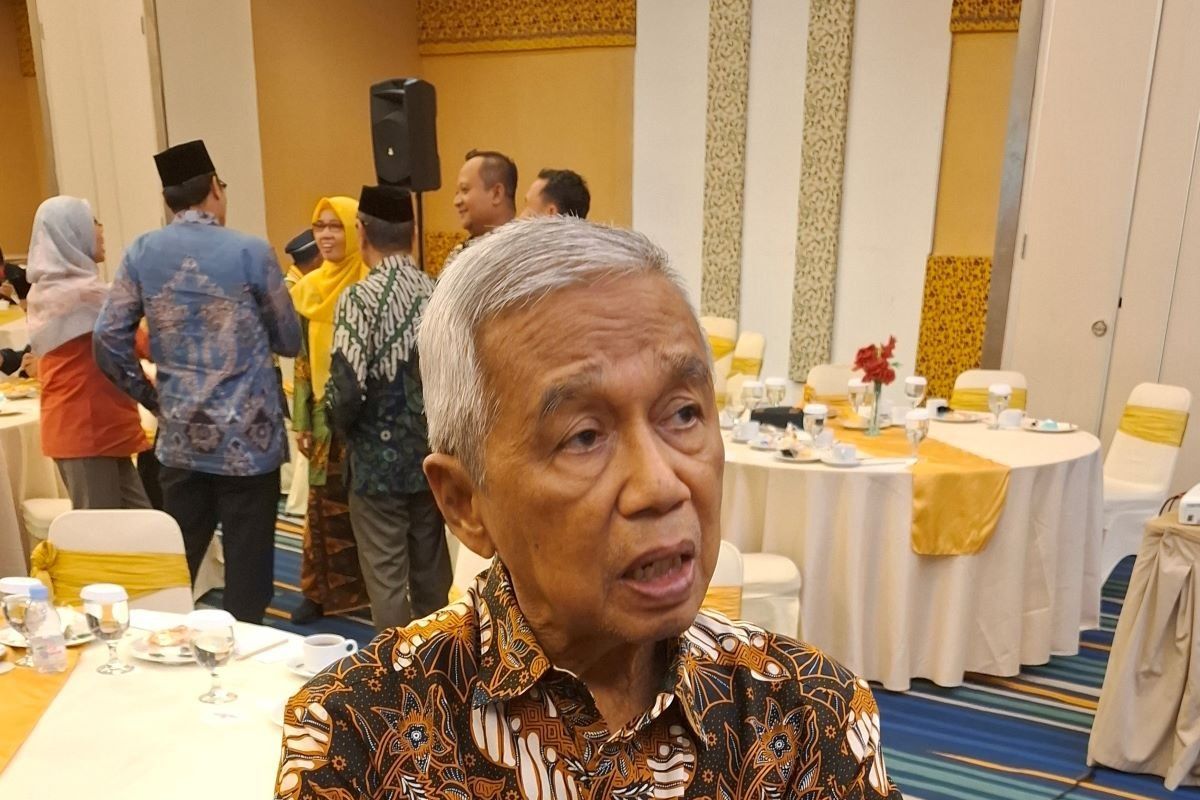
Surabaya — Busyro Muqoddas, Vice Chairman of the Press Council, stressed the importance of verification, independence, and ethical commitment in journalistic practice.
He made these remarks while delivering remarks at a refresher training session for Journalist Competency Test (UKW) examiners held online in Jakarta on Tuesday.
According to him, maintaining a balance between the speed of news reporting and ethical considerations represents both a challenge and an obligation for journalists.
Busyro stated that the journalism profession cannot be separated from ethical responsibilities rooted in the fundamental values of national governance. He asserted that journalism ethics must serve as the primary foundation in every news production process.
“Maintaining a balance between the opportunity to report news whilst considering ethics is both a challenge and an obligation. It is not easy, but it must be carried out,” he said.
According to Busyro, one of the main principles in journalistic practice is a rigorous verification process. He reminded journalists to ensure that every piece of information has undergone adequate research before publication.
“It is better to be slightly late than to be wrong forever,” he stated.
Beyond verification, Busyro also emphasised the importance of the principles of independence and balance in reporting. Journalists must avoid conflicts of interest and provide space for all parties to respond in order to keep reporting balanced.
On this occasion, Busyro reaffirmed that the function of the press, as regulated in the Press Law, is to serve as a medium for information, education, entertainment, and social control. Consequently, the press has an important role in maintaining the quality of democracy.
He added that democratic practice in Indonesia continues to face serious challenges, making the role of the press as a monitor of power increasingly important.
Busyro also proposed strengthening collaboration between the journalism community and various civil society elements, including higher education institutions.
According to him, cooperation with academic circles can strengthen critical analysis of various social, political, economic, and public policy issues.
“Collaboration with universities and civil society is important for strengthening the press’s social control function and enriching perspectives in journalistic work,” he said.
The UKW examiner refresher training was attended by examiners from various institutions. The forum served as an opportunity to update the understanding of examiners regarding competency standards, professional ethics, and the challenges facing the press amid the dynamics of democracy and the development of information technology.
The refresher training was held online by the UKW Testing Institute at Muhammadiyah University of Jakarta, Solopos Institute, Prof. Dr. Moestopo University (Beragama), and National Development University Veteran Yogyakarta.