
Businesses urge greater use of domestically made seamless pipes
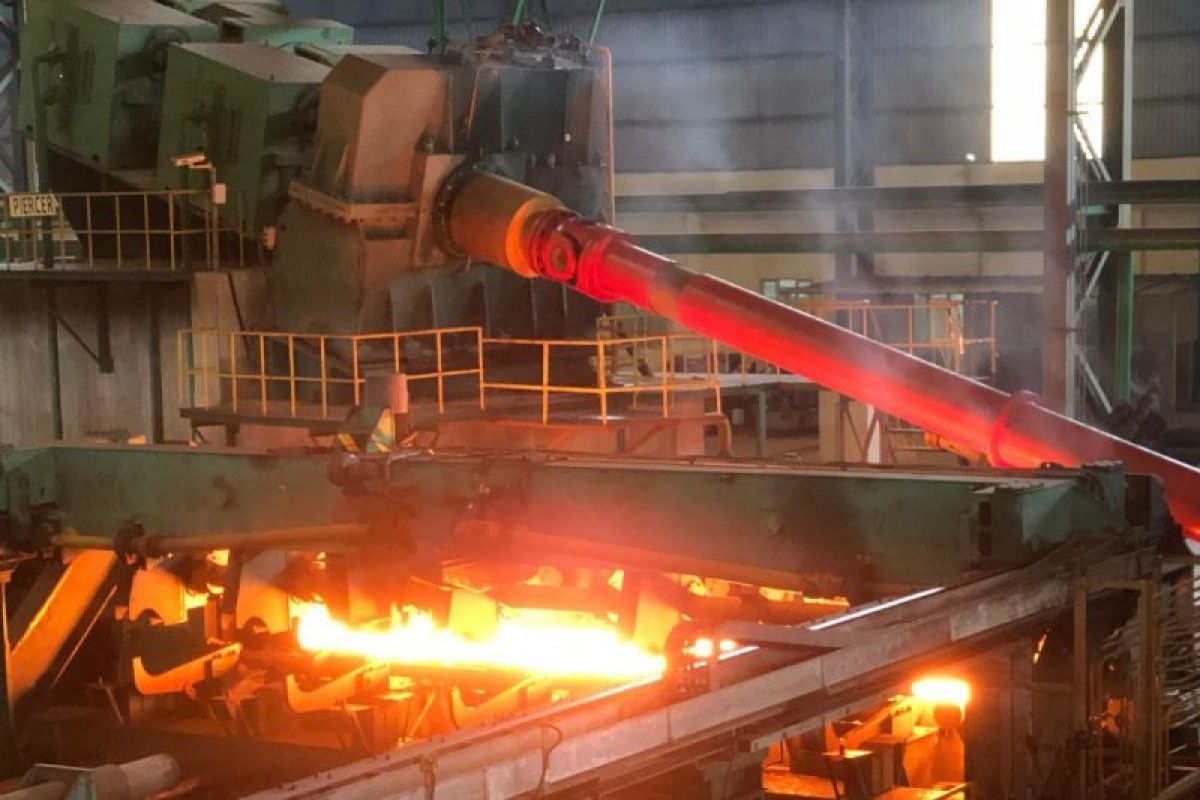
Jakarta (ANTARA) — Industry players are urging greater use of domestically made seamless pipes to boost production capacity, investment and the competitiveness of the national industry.
Michael Johan Gary, director of PT Indo Sino Internasional, called for an end to masterlist facilities and seamless-pipe import quotas for businesses that provide supporting services to seamless-pipe plants, such as threading companies and heat-treatment processors.
“The national seamless-pipe industry already has production capabilities and manufacturing facilities in the country,” Michael said in a statement in Jakarta on Thursday.
He said the provision of import facilities to supporting industries should be reviewed if the imported products are already available and can be made domestically. If allowed to continue, the policy could weaken national producers’ competitiveness, reduce the use of production capacity and deter investment in deepening the seamless-pipe industry’s supply chain, he said.
Michael stressed that the request was not intended to prompt a new policy. Rather, the government should ensure that existing rules on masterlist facilities are applied consistently.
He cited Finance Ministerial Regulation No. 217/PMK.04/2019 on import-duty exemptions and the non-collection of taxes on imports of goods for upstream oil and gas business activities.
Under the regulation, facilities are available for goods that cannot yet be produced domestically, are produced but do not meet the required specifications, or are produced in quantities insufficient to meet demand.
Michael therefore urged the government to verify product availability, compliance with specifications and national production capacity before recommending masterlist facilities or import quotas. Import facilities should not be granted when domestic industry can already meet demand, he said.
“We ask that the stipulated requirements be verified and enforced consistently in the masterlist recommendation process. The suspected influx of imported seamless pipes into Indonesia could endanger national seamless-pipe producers,” he said.
Michael warned that the continued provision of import facilities to supporting industries could threaten the survival of domestic seamless-pipe producers.
“National seamless-pipe producers will eventually go bankrupt. If they do, thousands of employees will be laid off. There could also be bad loans at national banks. This is very concerning,” he said.
“If these supporting industries continue to receive import quota and masterlist permits, it will be impossible to attract investment to deepen the seamless-pipe industry’s supply chain, because the sector will no longer be attractive,” he added.
The threat, Michael said, goes beyond the future of individual companies. If local producers lose their market and eventually cease operations, the consequences could extend to job losses, outstanding bank loans and reduced investment interest in the seamless-pipe industry.
Domestic production capabilities are already in place, he said. Some members of the Association of Seamless Pipe Producers carry out integrated production processes starting from billet.
Their manufacturing operations are supported by production facilities, quality-control systems and certifications including API 5CT, API 5L and other international standards, as applicable to each producer.
“Granting masterlist facilities for products already available domestically reduces the utilisation of national capacity built with substantial investment,” he said.
Michael also pointed to what he described as unequal tax treatment between imported and locally made products. Imported products receiving masterlist facilities for upstream oil and gas projects are exempt from import duties, while import VAT and Article 22 income tax are not collected.
By contrast, domestic producers continue to pay input VAT on billet, energy, auxiliary materials and services used in production. When locally made products are supplied to upstream oil and gas contractors under a non-collected VAT arrangement, the input VAT already paid by producers becomes an overpayment.
Companies must wait for the refund process, which can tie up cash flow and working capital. Company simulations indicate that this difference in tax treatment creates a price and cost gap that affects the competitiveness of national products.
Michael said this puts domestic producers at an uneven competitive disadvantage. National products risk losing out not because of their quality or production capabilities, but because imported goods receive different tax treatment.
“Based on our simulations, this difference in treatment creates a price and cost gap. Domestic products consequently lose out not because of their quality or capabilities, but because of the difference in tax treatment,” he said.
The proposed measures are considered important to protect the viability of national producers, safeguard existing investment and ensure that import-facility policies do not hinder the development of Indonesia’s seamless-pipe industry.
Source: jawawa.id (https://jawawa.id/newsitem/businesses-urge-greater-use-of-domestically-made-seamless-pipes-1793883190)
Originally published by Antara (Indonesian) (https://www.antaranews.com/berita/5834627/pengusaha-dorong-optimalisasi-produk-pipa-seamless-buatan-dalam-negeri), translated from Indonesian