
Businesses Hold Back Expansion, Admitting Q2/2026 Pressures Are Heavier
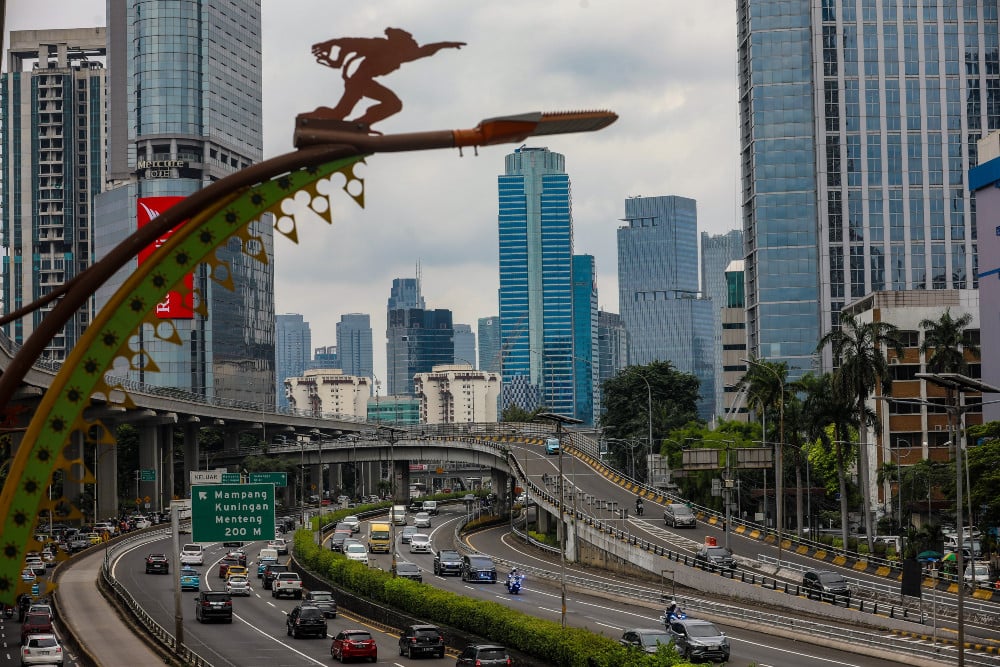
The Indonesian Employers’ Association (Apindo) has stated that increasing economic uncertainty, driven by both global pressures and domestic challenges, is prompting businesses to hold back on expansion. This condition has the potential to suppress job creation and slow national economic growth.
Apindo Chairwoman Shinta W. Kamdani said the business sector is currently facing heavier economic pressures compared to the first quarter of 2026. According to her, the escalation of geopolitical tensions has had a tangible impact on financial markets and the performance of the real sector in Indonesia.
“Businesses are concerned about the current economic pressures and challenges, both at the national and international levels,” Shinta told Bisnis on Sunday (28/6/2026).
She added that the government is still facing challenges in maintaining macroeconomic stability, particularly regarding the exchange rate, which has increased the burden on businesses. On the other hand, the projection of cost-of-living inflation remaining at the upper limit of the government’s target continues to weigh on people’s purchasing power.
Apindo also highlighted the limited certainty and predictability of government policies, ranging from fiscal governance to various policies affecting the business and investment climate. As a result, this situation has increased pressure on financial markets and added to the burden of maintaining economic stability.
Overall, Shinta assessed that the current conditions do not yet reflect an ideal business and investment climate for businesses or potential investors to expand aggressively, at least in the short to medium term. With the real sector’s economic growth prospects tending to slow, the business world will increasingly depend on the effectiveness of government intervention, whether through market stimulus or policies that can boost business productivity, exports, and investment.
Consequently, businesses are tending to act defensively by prioritising business continuity over expansion. “Because of this outlook, businesses tend to be defensive or prefer to focus on maintaining existing business performance rather than expanding,” she said.
This condition also impacts job creation, as companies are reluctant to take the risk of hiring additional workers. As a result, employment growth is expected to stagnate or even contract, which in turn will further burden domestic market performance and national economic growth.
Apindo is therefore urging the government to strengthen macroeconomic risk management, especially by maintaining exchange rate stability and inflation, while simultaneously increasing the certainty and predictability of policies affecting the business climate. The government is also encouraged to prioritise policies that can enhance business productivity, exports, and investment without sacrificing public purchasing power.
Shinta acknowledged that the economic challenges facing the government are not easy. However, she stressed that the government needs to remain responsive, agile, and timely in formulating policies to mitigate external pressures while restoring the confidence of businesses and investors.
She estimates that external pressures will persist for the next two to three months. According to her, transparency, open dialogue with economic stakeholders, and flexibility in adjusting policies to meet the needs of increasing productivity and strengthening the domestic market are crucial factors for sustaining economic growth through to the end of the year.
“This transparency, open dialogue, and flexibility will mean much more for businesses or investors in creating trust and confidence to expand their businesses in Indonesia in the short to medium term, despite persistent external pressures,” she concluded.