
Bus Operators Struggle as Operating Costs Mount
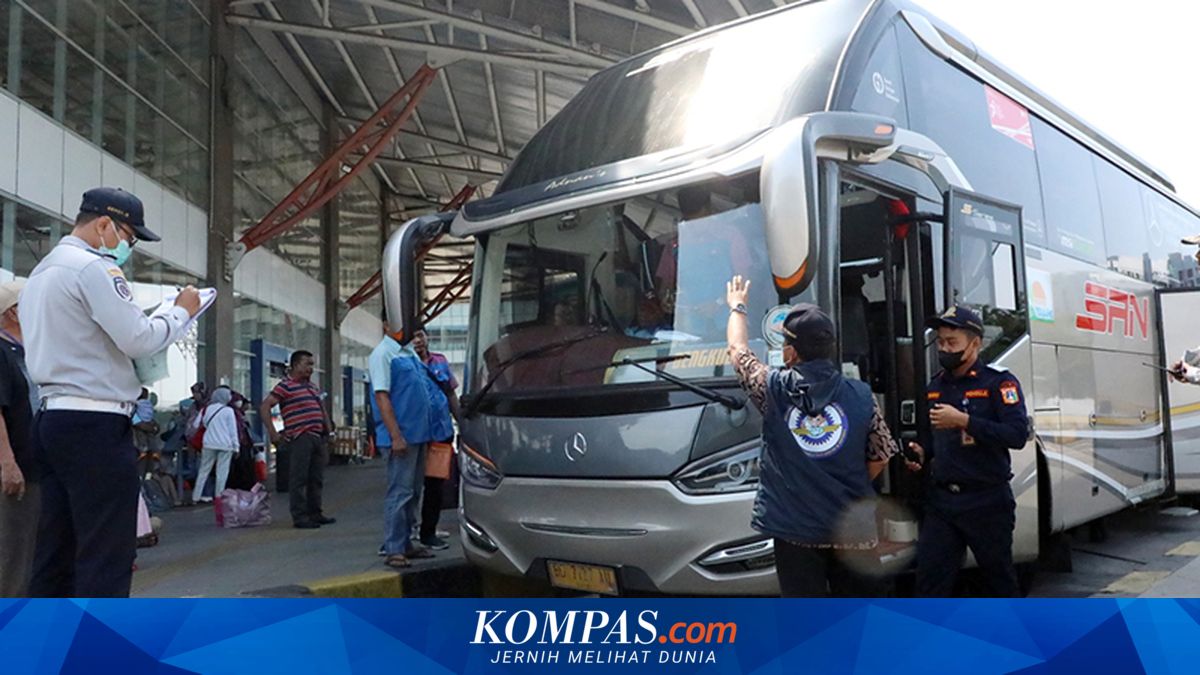
JAKARTA, KOMPAS.com - The operational burden borne by bus operators (POs) is currently considered too heavy. In addition to being hammered by rupiah volatility that has pushed up spare parts prices, operators are now crying foul as future government policy plans loom. The hike in toll tariffs on several road sections and the prospect of applying value-added tax (VAT) rising to 12 percent are seen as further squeezing the land transport industry.
Kurnia Lesani Adnan, the chairman of the Ikatan Pengusaha Otobus Muda Indonesia (IPOMI), said that bus operators via DPP Organda had already submitted calculations and voiced concerns to the government about real conditions on the ground. “Actually there are many loopholes in indirect costs that the government could support to keep our costs low. What are they? Taxation, Corporate Income Tax, and toll costs,” he said in Jakarta on Wednesday, 20 May 2026.
Sani lamented circulating reports about plans to raise toll tariffs that would also be subject to VAT. “There were reports yesterday that toll rates would rise and that VAT would be applied. That would stir up a lot of reaction,” Sani said.
As information, direct cost components such as fuel (BBM) and tolls account for around 40 to 45 percent of the total bus fleet’s running costs.
On the other hand, prices of daily components such as oil and tyres have risen by up to 20 percent due to the rupiah’s weakening.
Owner of PO Sumber Alam, Anthony Steven Hambali, added that inflation in the bus transport industry had effectively accumulated to around 30 percent. This situation is worsened by plans to raise VAT from 10 percent to 12 percent, which is seen as a crushing blow for operators.
“That is the clincher—the VAT rising from 10% to 12%. That’s the final blow. Spare parts prices do adjust and jump, while we have to hold ticket prices,” Anthony said.
Sani emphasised that public transport businesses are not social organisations that can continually absorb losses caused by regulatory and economic burdens. If the government does not promptly provide assistance in the form of tax incentives or toll exemptions, bus operations in Indonesia are at risk of collapsing.