
Burning Waste That Disturbs Neighbours Could Lead to Criminal Charges
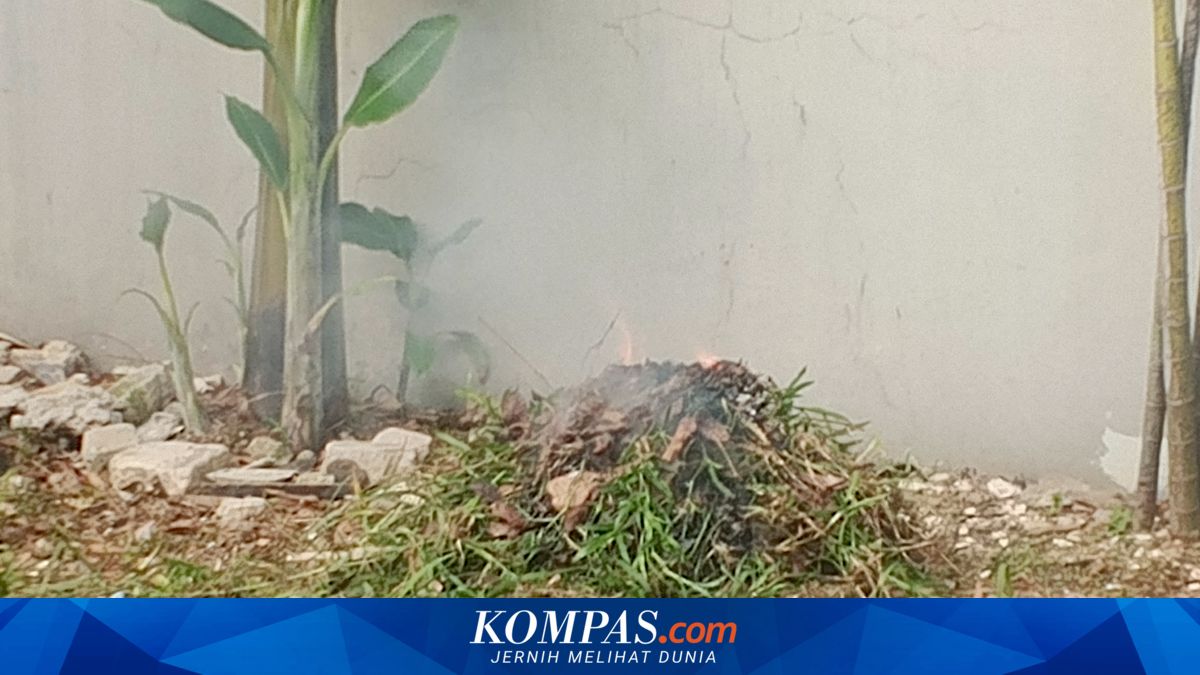
The habit of burning waste indiscriminately in residential environments is more than just a nuisance to neighbours; such actions can lead to criminal charges as they violate Indonesia’s waste management regulations. The prohibition against arbitrary waste burning is stipulated in Law Number 18 of 2008 concerning Waste Management. Under this regulation, the public is prohibited from handling waste in ways that may cause pollution and environmental damage.
Article 29, paragraph (1), point g of Law Number 18 of 2008 states that every individual is prohibited from burning waste that does not comply with the technical requirements of waste management. This means that waste burning must not be conducted haphazardly, particularly in densely populated areas where smoke can disturb neighbours and pollute the air. Any waste burning must meet specific technical standards to ensure it does not cause adverse effects on health and the environment.
Law Number 18 of 2008 also outlines criminal penalties for violators of waste management regulations. Article 40 stipulates that waste managers who unlawfully and intentionally conduct waste management activities that result in public health disturbances, security issues, environmental pollution, or environmental damage can be criminally prosecuted. The legal penalties include imprisonment for a minimum of 4 years and a maximum of 10 years, along with fines ranging from a minimum of Rp 100 million to a maximum of Rp 5 billion.
Furthermore, if such actions are committed through negligence, perpetrators may face imprisonment for a minimum of 3 years and a maximum of 6 years, with fines ranging from a minimum of Rp 40 million to a maximum of Rp 2 billion. Citizens who feel aggrieved by indiscriminate waste burning can report the matter to local government authorities, environmental agencies, or the police. In addition to potential criminal violations, arbitrary waste burning contradicts various regional regulations (Perda) that prohibit open burning. Consequently, residents are encouraged to manage waste more safely by sorting household waste, recycling, or utilising official waste collection services.