
Bunda Jelita and the Importance of Early Registration
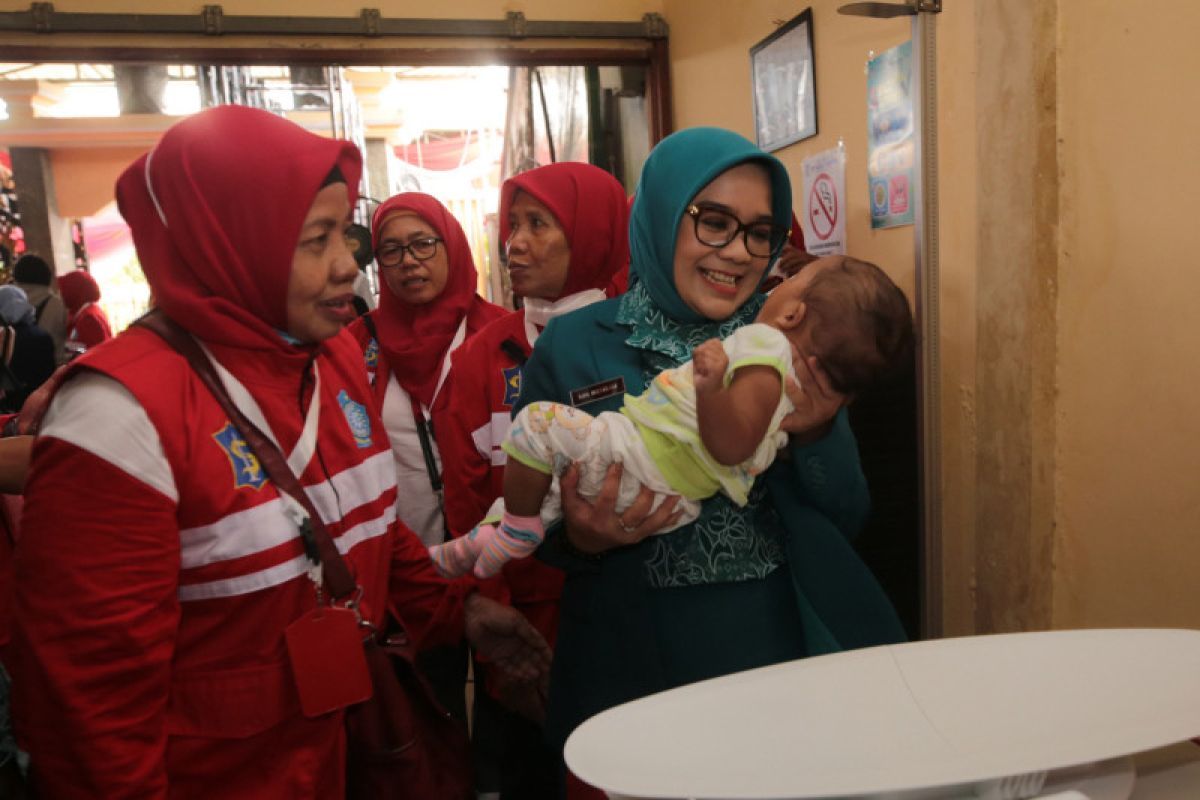
Surabaya (ANTARA) - There are things that are often forgotten after a baby is born. The first cry is immediately met with embraces, family photos, congratulations, and new busyness at home.
Behind this personal moment, the state has an equally important task: ensuring that the child is promptly entered into population administration records.
It is at this point that the ‘Burity Jelita’ innovation by the Surabaya City Government, East Java, becomes worth exploring further. Bunda Jelita, an acronym for ‘Bersama Urus Kelahiran dan Identitas Anak serta Jejaring Lintas Layanan Kependudukan dan Kesehatan’ (Together Managing Birth and Child Identity along with Cross-Service Networks for Population and Health), connects health services and population administration from pregnancy through to after birth.
This idea shifts old habits. Population administration is no longer viewed solely as a task for parents to complete after returning home from the hospital.
Preparations can begin around the seventh month of pregnancy through assistance from the Family Assistance Team and the Surabaya Hebat Cadres. After the baby is born, the processing of birth certificates can be linked to the issuance of family cards (KK) and child identity cards (KIA).
This change may seem simple, but that is precisely where its importance lies. Good public service is not always marked by complex applications or magnificent buildings.
Sometimes, the true measure is much closer to daily life: how many steps have been successfully removed from the lives of citizens.
Child Identity
Birth is not merely a biological event. From the perspective of the state, birth is a significant event that carries legal, social, and administrative consequences.
Law Number 24 of 2013 positions population administration as a vital part of state administration. This regulation, among other things, strengthens the government’s obligation to provide population administration services and facilitates the public’s ability to obtain identity documents.
Therefore, a birth certificate should not be understood as just a piece of paper. UNICEF explains that birth registration is the official record of a child’s existence and serves as the gateway to legal identity.
Such documents are linked to access to education, healthcare, child protection, and various administrative matters as an individual grows into adulthood.
This context gives Bunda Jelita a greater meaning than mere bureaucratic convenience. When birth certificates, family cards, and child identity cards are processed in a single sequence, what is actually being built is the continuity of a child’s identity from the very first day of their life.
In this programme, Surabaya did not start from scratch. The Department of Population and Civil Registration (Disdukcapil) has established cooperation with healthcare facilities through integrated services that link the issuance of birth certificates, family cards, and child identity cards.
In August 2026, the Surabaya City Disdukcapil extended its cooperation with 32 hospitals to strengthen population administration services. The official Disdukcapil website also explains that birth data from healthcare facilities can be linked to the population system, including to support the updating of National Health Insurance (JKN) memberships.
This means that Bunda Jelita is best viewed as an effort to strengthen and expand the existing service ecosystem, by providing a new point of emphasis: preparation starting from the pregnancy stage.
Source: jawawa.id (https://jawawa.id/newsitem/bunda-jelita-and-the-importance-of-early-registration-1789955928)
Originally published by Antara (Indonesian) (https://www.antaranews.com/berita/5750479/bunda-jelita-dan-awal-yang-tercatat), translated from Indonesian