
Bulog's Struggle to Maintain Food Security in the NTT Archipelago
The sea currents south of Rote Island, Rote Ndao Regency, East Nusa Tenggara (NTT), appeared calmer than usual that morning. A wooden boat carrying hundreds of sacks of rice moved slowly through the waters towards Ndao Island, a small island in southern Indonesia facing the Indian Ocean.
On board the boat, Fanik Apriliyatic, Supervisor of Perum Bulog NTT Regional Office, sat alongside Nurmawan Djonu from Transporter Jasa Prima Logistik, a Bulog transport partner. They were overseeing the distribution of 12 tonnes of rice and cooking oil for residents receiving the Rice Food Assistance (BPB) programme on the island.
For Fanik and Nurmawan, every sack of rice arriving on Ndao in mid-April 2026 is part of a long struggle to ensure that aid reaches citizens safely. Located approximately 8.75 miles from Rote, the island covers 11.54 square kilometres and comprises four villages.
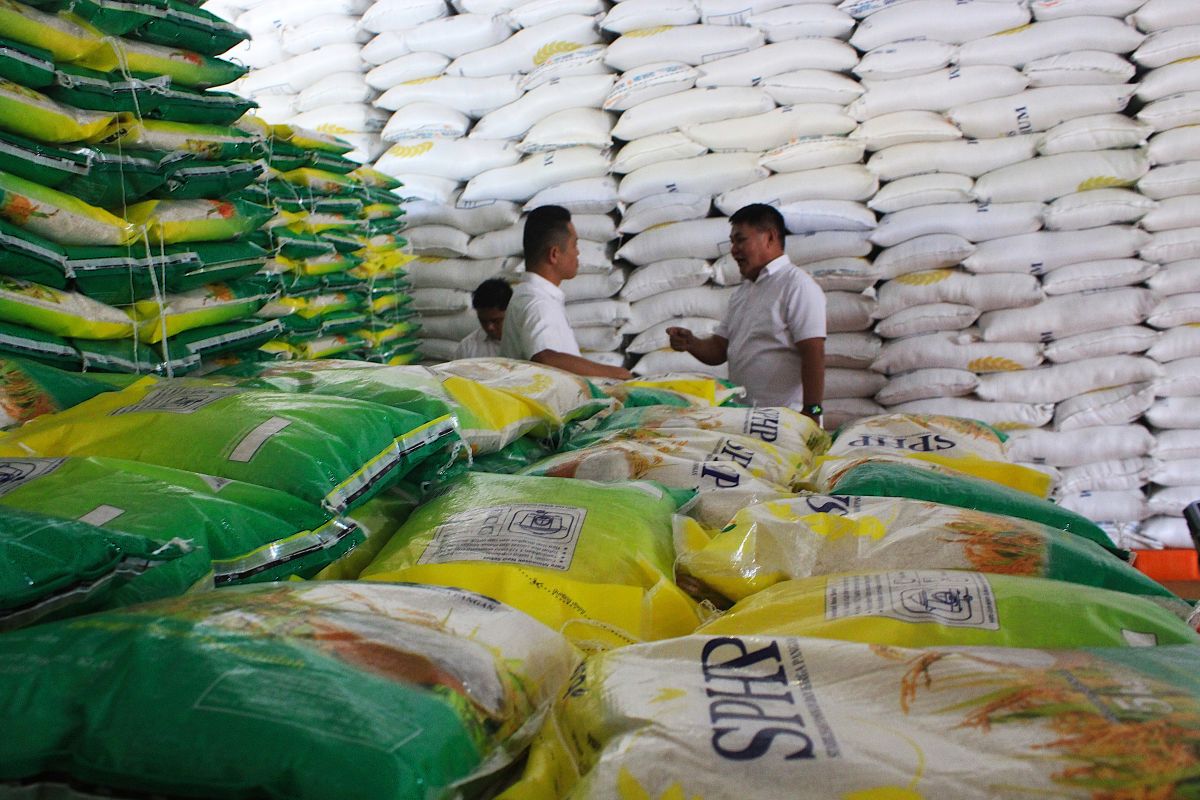
The Bulog journey began at a warehouse in Alak District, Kupang City. The rice was transported by truck to the port, then ferried to the Baru Pantai Port in Rote. From there, the journey continued to a warehouse in Sanggaen Village, Lobalain District.
“We arrived at the warehouse around 3:00 PM WITA, and the next day, at 4:00 AM, we unloaded it again to be transferred to pickups according to the distribution volume,” said Nurmawan Djonu recently.
The journey was only half complete. From the warehouse, they moved to the Nemberala People’s Port in southwest Rote, a 20.6-kilometre trip taking 35 minutes. Sacks of rice and cartons of cooking oil were manually transferred from the vehicle to the boat and carefully arranged to prevent seawater splashes from damaging the goods.
Upon arriving at Ndao People’s Port, the journey continued via rocky terrain to the Anarae Village Office. There, the sacks were unloaded again before being distributed to waiting residents. “We prepared security and cleaning personnel to ensure the rice distributed to citizens remains safe and of high quality,” said Nurmodwan.
Of the 177 families in Anarae, 100 are recorded as low-income recipients of rice and cooking oil assistance. “Each family receives 20 kilograms of rice and four litres of ‘Minyakita’ cooking oil,” said the Head of Anarae Village, Sem Littik.
As this island has no rice paddies, all rice requirements must be brought from outside the island. Consequently, when bad weather disrupts inter-island shipping, food prices surge. In an Aerae Village kiosk, 40kg sacks of rice that usually cost Rp700,000 jump to Rp800,000, compared to Rp650,000 for the same quality in Kupang.
In such conditions, Bulog’s food assistance becomes a lifeline. For many families, the 20kg rice ration is enough to meet nutritional needs for approximately three weeks. Lian Buifena, 32, a resident of Anarae, expressed the benefits of the programme. “My husband works irregular jobs and his income is uncertain,” said the mother of one.
Bulog’s efforts to maintain food security in NTT extend beyond Ndao. In February 2026, a truck transporting seven tonnes of rice to North Amfoang, Kupang Regency—a border region near Timor-Leste—overturned on a slippery, muddy road. Fortunately, most of the rice sacks were salvaged, allowing distribution to continue in border villages.
“The challenges of rice distribution in NTT vary by region; some require crossing seas, rivers, and heavy terrain during the rainy season,” added Fanik Apriliyanti.
Similar challenges were faced during distribution to Nila Village, Ndona District, in southern Ende Regency. Although part of the same landmass as Flores Island, it can only be reached by sea. Residents and Bulog officers must work together to manually unload cargo from boats onto rocky shores, passing goods hand-to-hand to prevent them from falling into the sea.
For Fanik Apriliyanti, transporting food to the ‘3T’ regions (frontier, outermost, and least developed) of NTT is more than just logistics; it is a heavy responsibility to ensure the food needs of low-income residents in isolated areas are met.
Arrahim Kamirullah Kanam, Head of the Perum Bulog NTT Regional Office, stated that the primary challenges are the geographical conditions of the archipelago and the accessibility of roads in remote villages. However, he emphasised that distribution continues despite these limitations.
One strategy employed by Bulog, especially ahead of high-wave seasons, is to pre-position stocks of rice and cooking oil in areas prone to distribution disruptions. “We anticipate bad weather by preparing stocks in regency-level warehouses,” he said.
Bulog NTT operates 11 warehouses with a total capacity of 50,400 tonnes, spread across Timor, Rote, Sumba, Flores, Lembata, and Alor. These warehouses serve as the backbone for food distribution to small islands, fulfilling Bulog’s mandate to maintain national food security by stabilising government food reserves, controlling food prices, and distributing essential commodities such as rice, cooking oil, and maize.