
Bulog Managing Director: Grain procurement staff work non-stop to bolster rice self-sufficiency
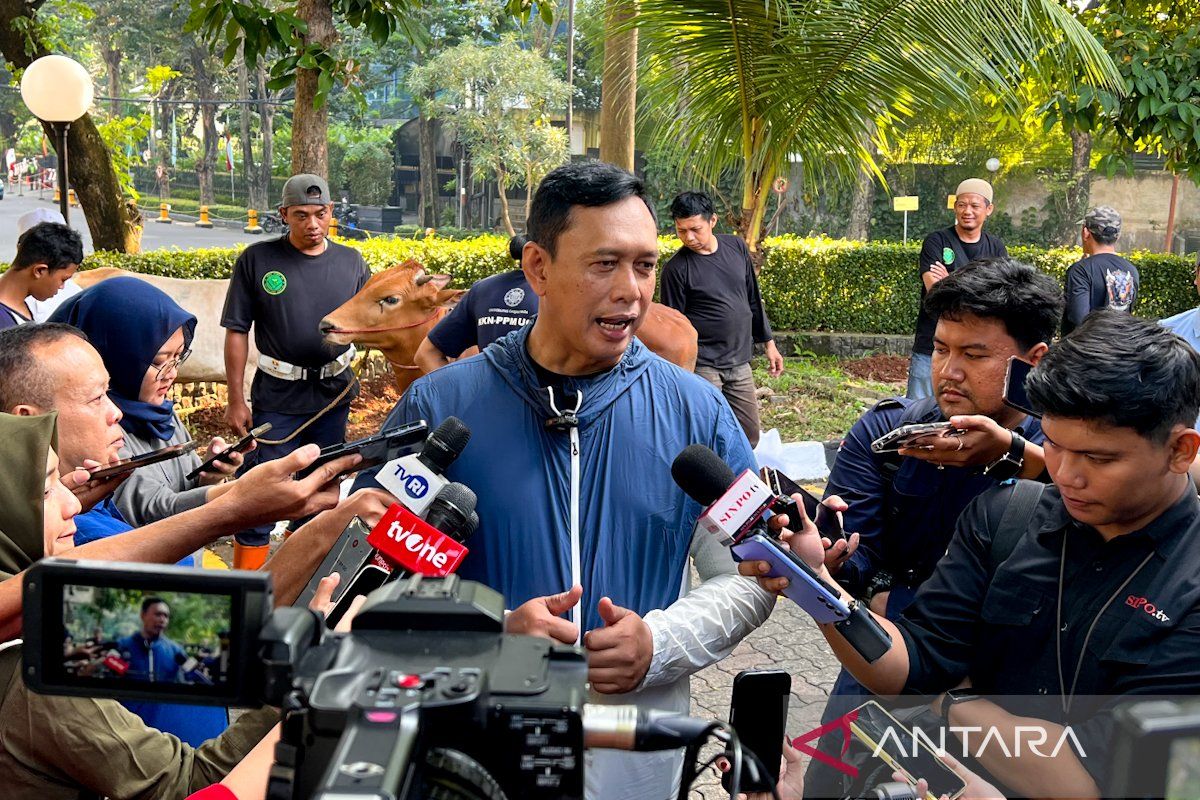
Bulog Managing Director Ahmad Rizal Ramdhani said grain procurement staff continue working without holidays despite work-from-home policies to maintain food stocks and bolster rice self-sufficiency. Meeting after the Eid al-Adha sacrifice in Jakarta on Friday, Rizal said grain procurement staff do not observe holidays as they must be present at harvest sites daily to ensure optimal uptake of farmers’ produce. ‘For those handling grain procurement, there’s no work-from-home or public holidays. Farmers harvest daily, and when there’s a harvest, the procurement staff are there,’ Rizal said. Rizal also noted that Bulog warehouse staff operate 24/7, seven days a week, to receive rice paddy supplies from major production regions across the country. He stated that the high volume of incoming paddy has intensified warehouse operations as the rate of farmer produce absorption has significantly increased during this year’s harvest season. He added that warehouse staff now have almost no rest time as they handle large daily inflows of paddy and rice. Bulog is also increasing storage capacity by leasing additional warehouses, as most of its current 4 million ton capacity is fully occupied by domestic farmer produce stockpiles. ‘We are now seeking an additional 2 million tons of private warehouse space,’ he said. He said the high grain absorption rate demonstrates increased national agricultural output and farmers’ trust in Bulog as the government’s food security buffer. Bulog still relies on partnerships with contract manufacturers to bolster grain procurement due to current limitations in its organic workforce. He explained that Bulog has around 4,000 permanent staff, with total workforce including outsourced personnel estimated at 10,000 nationwide. Of these, only around 3,000 personnel can be deployed directly to the field to support nationwide grain procurement efforts. Rizal further stated that Presidential Instruction No. 4 of 2026 on Domestic Paddy/Rice Procurement and Management, as well as Government Rice Reserve Distribution for 2026-2029, has positively impacted national rice quality due to a more selective procurement process. The instruction sets the government purchase price (HPP) for dry harvested paddy at Rp6,500 per kilogram across all quality levels at the farm level. It also sets a target of four million tons of paddy or equivalent rice for strengthening the Government Rice Reserve (CBP) stockpile throughout 2026. He said stricter quality control of paddy has improved government rice stocks, ensuring optimal national food reserve quality. He admitted that previously, poor-quality paddy had been found, lowering the absorption quality and damaging storage processes at national Bulog warehouses. ‘The impact is now positive, with better rice quality. Previously, unfortunately, there were low milling yields,’ Rizal said. Bulog has strengthened its direct paddy collection system alongside Babinsa personnel to ensure transparent procurement and minimise fraud on the ground. Bulog reported that farmer produce absorption by end-May 2026 reached approximately 2.96 million tons of rice equivalent, or 74% of the annual 4 million ton target. The state-owned food company also manages a Government Rice Reserve (CBP) stockpile of 5.3 million tons as of end-May 2026 to bolster food security and maintain national supply stability.