
Bulog implements rice stock mixing formula to maintain SPHP rice quality
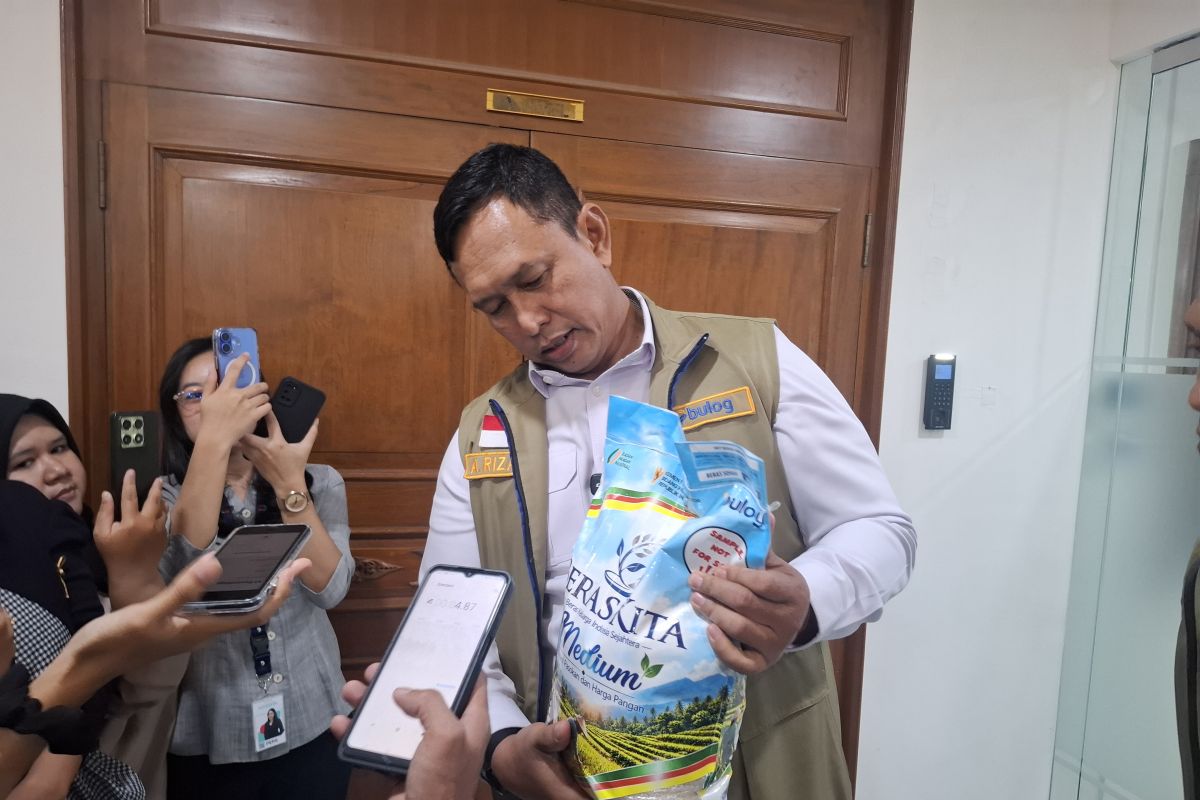
Perum Bulog is implementing a 2-3-4 mixing formula for its rice stocks to maintain the quality of rice distributed through the Food Supply and Price Stabilisation (SPHP) Programme.
“We have now changed our policy to use mixing. The rice in our warehouses will follow a 2-3-4 mixing ratio,” stated the President Director of Perum Bulog, Ahmad Rizal Ramdhani, following a coordination meeting in Jakarta on Tuesday.
He explained that this policy marks a shift from the previous stock release pattern, which utilised the ‘first in, first out’ (FIFO) principle, where the oldest rice in the warehouse was released first. Ahmad noted that this pattern was evaluated because rice stored for longer periods is prone to quality degradation by the time it is released.
“Under the FIFO method, the rice that arrived earlier becomes older over time. When it is eventually released, the quality is poor,” he said.
Under the 2-3-4 formula, Bulog mixes two parts of old stock, three parts of rice with a storage duration of approximately six months, and four parts of newer rice with a storage duration of about two to three months.
“So, the 2-3 entailing two parts of old stock, three parts of medium-aged stock stored for six months, and four parts of new stock stored for only two or three months,” Ahmad explained.
He stated that this mixing process is intended to maintain the quality of the rice to be distributed to the public. Ahmad noted that this stock management policy primarily concerns food assistance rice and medium-grade rice, including SPHP rice.
In differentiating between medium and premium rice, he mentioned that one of the key indicators is the percentage of broken grains. Medium-grade rice has a maximum broken grain limit of 25 per cent, whereas premium rice is limited to 15 per cent. This regulation aligns with government quality standards, which also set a maximum moisture content of 14 per cent for both grades.
Additionally, Ahmad added that the polishing process differs, with premium rice undergoing three polishing cycles and medium-grade rice undergoing two. The SPHP programme uses medium-grade rice as a government instrument to maintain supply and ensure rice affordability for the public.