
Bulog finalises feasibility study for construction of 100 new warehouses
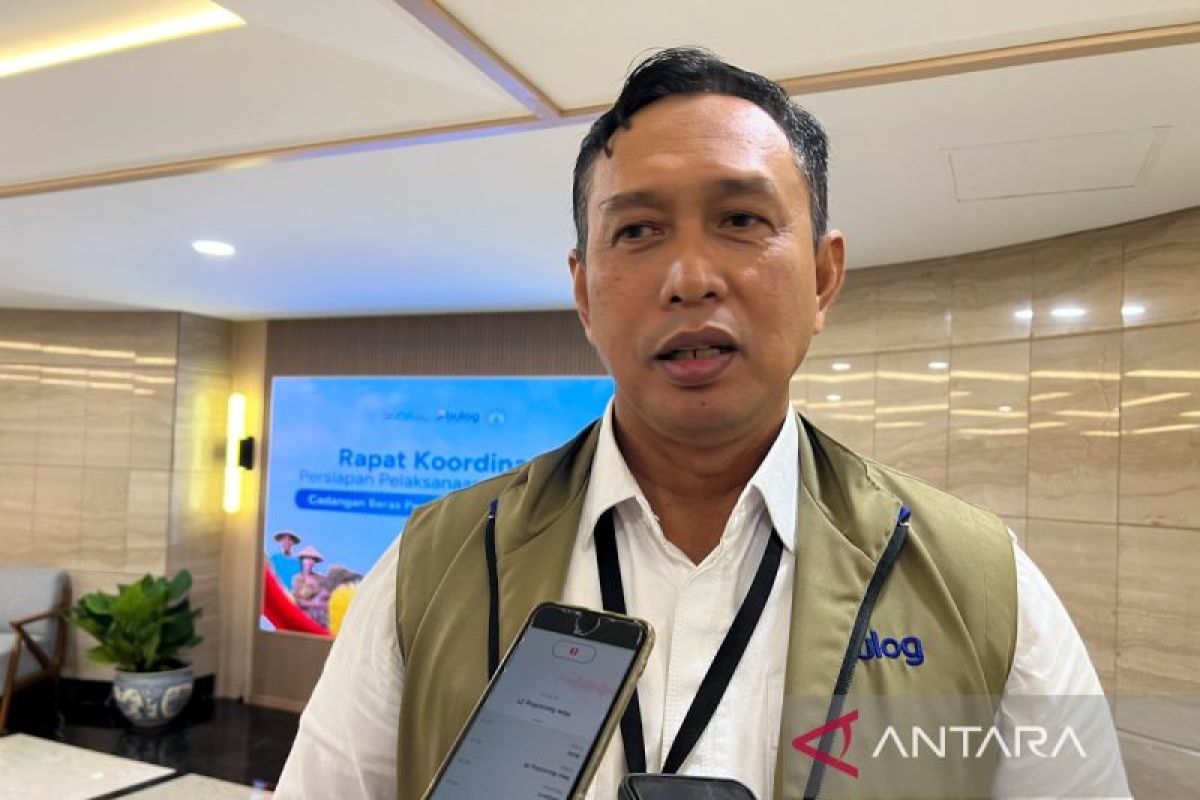
Jakarta (ANTARA) - Perum Bulog is finalising the feasibility study for its plan to build 100 new warehouses, as the initial stage of a project to increase post-harvest storage capacity that will be carried out across various regions of Indonesia.
President Director of Perum Bulog, Ahmad Rizal Ramdhani, said completing the feasibility study (FS) is the main focus before the project moves on to the next stage.
“This is now in the finalisation process for the planning. The feasibility study factor — we are finishing the FS,” said Rizal, speaking after the Coordination Meeting on the Preparation of Government Premium Rice Reserve (CBP Premium) Processing in Jakarta on Monday.
Once the feasibility study is complete, Bulog will proceed with procurement through an auction mechanism in accordance with regulations.
The construction of the new warehouses is expected to strengthen the government’s food reserve storage capacity while supporting the smooth management of national rice stocks.
“Later, once the FS is finished, we will move to the next stage for the auction and so on,” Rizal said.
Previously, Rizal stated that the construction of 100 new warehouses would reinforce national food resilience through increased post-harvest storage capacity.
Bulog is ready to carry out the government’s mandate with a measured, professional and accountable approach.
“This assignment is a strategic step in strengthening the logistics system and national food resilience,” Rizal said in Jakarta on Thursday (2/4/2026).
Bulog has ensured that all stages are thoroughly prepared so that the infrastructure development is genuinely in the right location, serves the right function, and delivers the right benefits to the public.
The development programme is planned to be spread across 92 regencies with a total budget of around Rp5 trillion, comprising approximately Rp4.4 trillion for main infrastructure construction and around Rp560 billion for mechanisation, automation and information technology systems.
The post-harvest infrastructure includes 94 storage warehouse units; six paddy silos; eight corn silos; 17 rice dryers; 17 rice milling units (RMU); eight corn dryers; and nine processing centres and rice packaging facilities.
Each construction site will undergo technical feasibility tests such as soil tests, land slope analysis and road access assessments to support logistics transport mobilisation.
The physical construction will be carried out by state-owned construction firms in accordance with Presidential Regulation (Perpres) Number 14 of 2026 concerning the development of 100 post-harvest infrastructure points across Indonesia.
The infrastructure will be prioritised in food production centres such as Lampung, Java and South Sulawesi, with complete facilities including dryers, RMUs, silos and modern mechanisation and automation systems.
Meanwhile, in island regions such as Natuna, Rote and Tidore, construction will focus on storage warehouses to maintain food supply stability, particularly during extreme weather conditions.