
Bulog Ensures Stable Rice Prices Despite Rising Plastic Packaging Costs
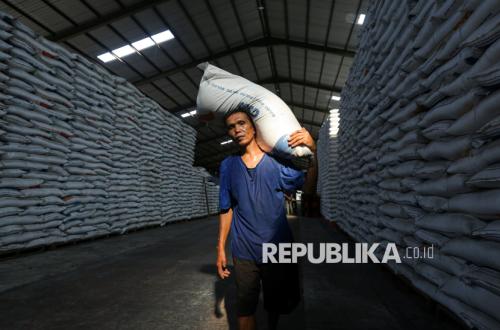
REPUBLIKA.CO.ID, JAKARTA — Perum Bulog’s CEO Ahmad Rizal Ramdhani has emphasised that rice prices will remain stable despite a rise in plastic packaging costs. Rizal conveyed this during a meeting with the media at his office in Jakarta on Monday (13/4/2026). He stressed that Bulog is focusing on bolstering stocks and managing distribution amid various cost pressures. “There will be no increase in food prices or rice prices,” Rizal stated. In an evaluation meeting with ministry officials, Bulog reported continuously improving paddy absorption achievements. As of 13 April 2026, the realisation of absorption has reached 48.7 percent or around 1.9 million tonnes equivalent to rice from this year’s target. This achievement is supported by ongoing harvest conditions in several regions. Bulog is utilising this momentum to strengthen the national rice reserves. Rizal added that Bulog’s current rice stocks amount to 4.727 million tonnes. The rise in plastic raw material prices poses a challenge in the rice packaging process. This situation impacts operational costs, particularly for the SPHP rice programme and food assistance. “This packaging issue is a shared challenge, especially regarding plastic packaging materials,” Rizal said. Bulog has taken internal steps and coordinated with the Ministry of Industry to obtain relief on raw material prices. These efforts are being pursued so that the cost increase is not passed on to selling prices at the consumer level. At the same time, Rizal explained, Bulog is also preparing strategies to address the potential El Niño by encouraging maximum absorption until July. “Our prediction is, insyaallah, by the end of July we can exceed 4 million tonnes,” he said. Strong rice stocks also open up export opportunities, including exploring demand from Malaysia of up to 200,000 tonnes. Domestically, market operations are being prepared to curb price increases observed in several regions. These steps are aimed at maintaining price stability while protecting the purchasing power of the public and farmers.