
Bulog Distributes Food Aid to 25,969 Recipients in Border Areas
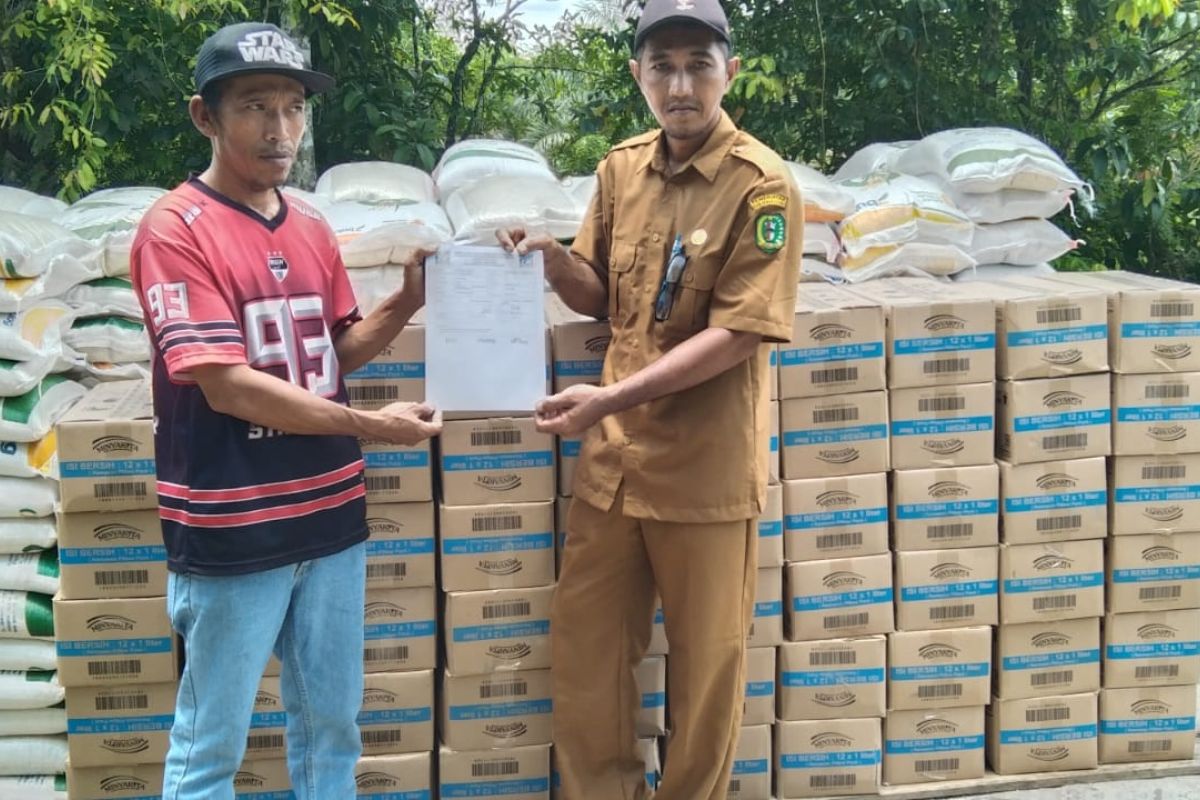
Border areas are prioritised to ensure communities quickly receive food aid, given their relatively limited access. Bengkayang (ANTARA) - Perum Bulog’s Singkawang branch is distributing food aid in the form of rice and cooking oil to 25,969 food aid recipients (PBP) in Bengkayang Regency, West Kalimantan, with priority given to the Indonesia-Malaysia border region. The head of Bulog’s Singkawang branch, Noldi Ramayadi, in Singkawang on Monday, stated that the initial distribution phase has been carried out in several border sub-districts, namely Jagoi Babang Sub-district and Teriak Sub-district. “Border areas are prioritised so that communities can quickly receive food aid, considering their relatively limited access,” Noldi said. He explained that the food aid is an allocation for February-March 2026, with a total distribution of 519,380 kilograms of rice and 103,876 litres of Minyakita-brand cooking oil to 17 sub-districts in Bengkayang Regency. In addition, some sub-districts with the largest number of recipients include Monterado Sub-district with 3,148 PBP allocated 62,960 kilograms of rice and 12,592 litres of cooking oil, as well as Seluas Sub-district with 2,356 PBP allocated 47,120 kilograms of rice and 9,424 litres of cooking oil. Noldi said the distribution of aid is carried out in stages, involving village officials and field officers to ensure the aid reaches the right targets. “Distribution is carried out directly to villages through designated officers, so the process runs smoothly and is received by entitled communities,” he stated. He added that communities, especially in border areas, have responded positively to the food aid programme, as it is seen as helping to meet daily basic needs. “The community’s response is very positive. They feel helped by this rice and cooking oil aid,” he said. Bulog Singkawang ensures that distribution will continue until the entire allocation is evenly distributed to all sub-districts. This food aid programme is expected to maintain community food security while easing the economic burden on residents, particularly in border areas.