
Bulog Considers Delaying Rice Exports in Preparation for a Prolonged Dry Season
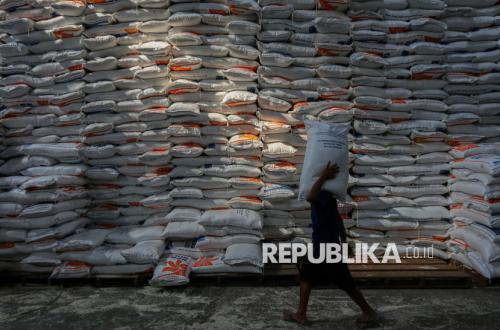
JAKARTA — Perum Bulog is considering delaying or reducing rice exports in preparation for a possible prolonged El Niño. The measure is intended to ensure that national rice reserves remain adequate amid the threat of climate-related disruption to food production.
Bulog President Director Ahmad Rizal Ramdhani said the company would prioritise domestic rice needs before continuing shipments to export markets. Bulog would also coordinate with destination countries and consult the National Food Agency (Bapanas) before making a decision.
“We will first communicate with the countries concerned, and we will also consult Bapanas. Taking into account the potential for a prolonged El Niño, we may put exports on hold or reduce them gradually, rather than stopping shipments altogether,” Rizal said after a Heroes’ Day event with retired Bulog employees in Jakarta on Tuesday (10 November 2026).
He said adjusting exports was one option for safeguarding national food security. Bulog did not want overseas shipments to affect supplies for the public if El Niño lasted longer than expected.
Rizal said Bulog had previously exported rice to several countries, including Saudi Arabia, Palestine and Malaysia. The company also sees opportunities to expand into other ASEAN markets, but any such plans must take account of climate developments and domestic food needs.
“Our first export destination was Saudi Arabia, the second was Palestine, and the third was Malaysia. Hopefully, in the future, we can reach other ASEAN countries,” said the retired three-star general.
Rizal said Bulog would continue to put the interests of the Indonesian public first when determining export policy. The company may resume overseas shipments once the El Niño threat has eased and domestic supply conditions allow.
He said Bulog’s rice reserves remained high. As of 10 November 2026, its stocks totalled 4.59 million tonnes, down from a peak of 5.4 million tonnes in September.
Rizal also said Indonesia held the largest government rice reserves in ASEAN. He said this stock position gave the government room to meet national food needs without relying on rice imports.
“We report that our stocks are the highest in ASEAN, compared with Malaysia, the Philippines, Thailand and even Vietnam. Our country holds the largest stock,” he said.
Rizal said Bulog was committed to maintaining the self-sufficiency achieved in 2025. The company aims to sustain self-sufficiency in 2026 by strengthening rice procurement from domestic farmers and improving the management of government food reserves.
In preparation for a possible El Niño, Bulog will also involve former directors and retired employees in developing contingency measures. Their experience of production disruptions and food-supply volatility is expected to inform short-, medium- and long-term strategies.
The measures form part of Bulog’s effort to balance opportunities in the international rice trade with domestic food needs. The company will treat the adequacy of national reserves as its primary consideration before deciding whether to continue exports amid climate risks.
Source: jawawa.id (https://jawawa.id/newsitem/bulog-considers-delaying-rice-exports-in-preparation-for-a-prolonged-dry-season-1794293452)
Originally published by Republika (https://ekonomi.republika.co.id/berita/to9wev490/antisipasi-kemarau-panjang-bulog-pertimbangkan-tunda-ekspor-beras), translated from Indonesian