
Buleleng Turns Plastic Waste into Asphalt, Claims Roads Can Last 10 Years
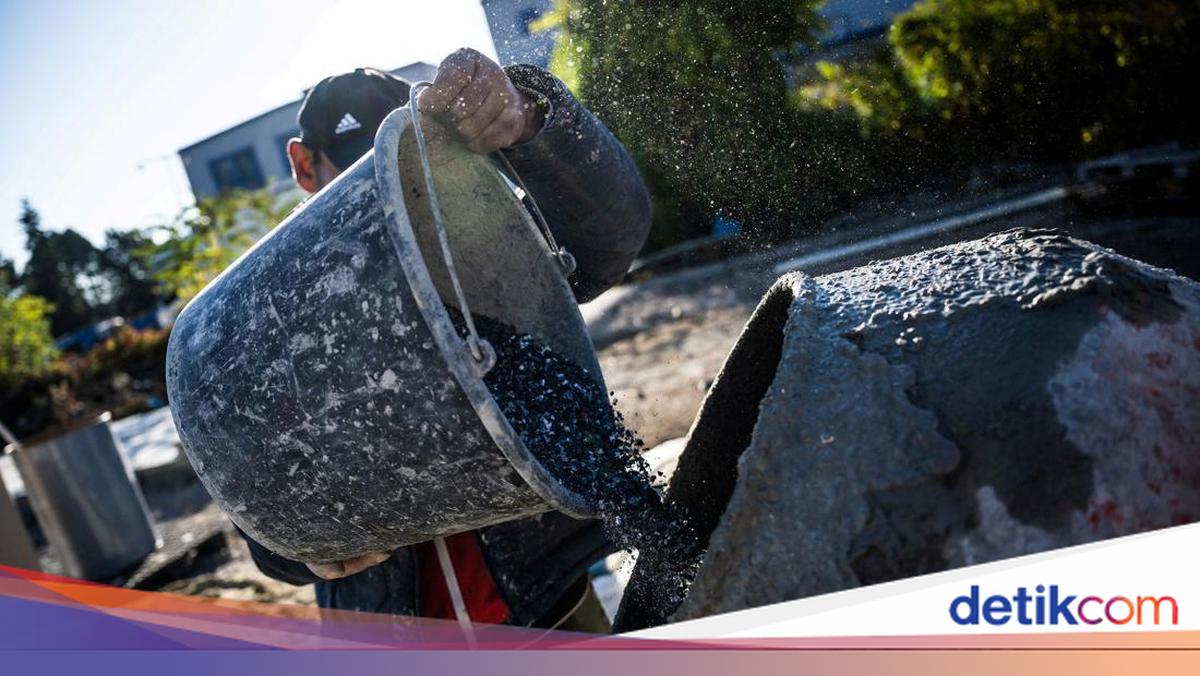
The Buleleng Regency Government is continuing to develop an innovation that utilises plastic waste as a mixture for road asphalt. In addition to helping reduce the waste problem, which remains a challenge, this technology is also claimed to improve road quality and lifespan. Head of the Public Works, Spatial Planning, Housing, and Settlement Areas Agency of Buleleng Regency, I Putu Adiptha Ekaputra, stated that the plastic asphalt innovation was born from an effort to address two problems at once: the handling of plastic waste and road damage. “Firstly, we have a waste problem in Buleleng that we have not handled well, especially plastic waste. Secondly, damaged roads. How can these two problems be answered with a single step,” Adiptha said on Friday (26/6/2026). According to him, Buleleng has even obtained Intellectual Property Rights related to the plastic asphalt innovation. To date, around 20 road sections have been built using the plastic asphalt mixture. Some of these are on the road leading to Segara Rupek Temple, spanning approximately 15 kilometres, the Bengkala landfill area, and several road sections in the urban area of Singaraja. Adiptha explained that the use of plastic asphalt is also a form of government presence in reducing the impact of plastic pollution. Waste that is difficult to decompose is reused through the concept of reduce, reuse, and recycle. “Only Buleleng currently has this plastic asphalt. Many colleagues from other regions come to us to discuss and learn about its application,” he said. Not only does it help reduce waste, but plastic asphalt is also said to have better durability compared to conventional asphalt. The plastic mixed into the asphalt serves to seal the pores of the road, making it more resistant to water, which has been one of the main causes of road damage. “Ordinary asphalt usually gets damaged after 6 to 7 years. But with plastic asphalt, it can last up to 10 years or even more. So it is more economical because the maintenance budget can be diverted to other road sections,” he explained. In the production process, every one kilometre of plastic asphalt road requires about 1.2 tonnes of plastic pellets. The Buleleng Regency Government collaborates with waste management communities through a partnership with Rumah Plastik to meet the raw material needs. With a target of building approximately 30 kilometres of plastic asphalt roads per year, the plastic requirement is estimated to reach nearly 50 tonnes. “Approximately 50 tonnes of plastic can be absorbed. That is a very large amount. This is tangible proof that the government is present with innovations that not only improve roads but also help reduce plastic waste and empower communities engaged in the waste management sector,” he concluded.