
Building Renewable Energy: Indonesia Requires Rp17,892 Trillion Investment
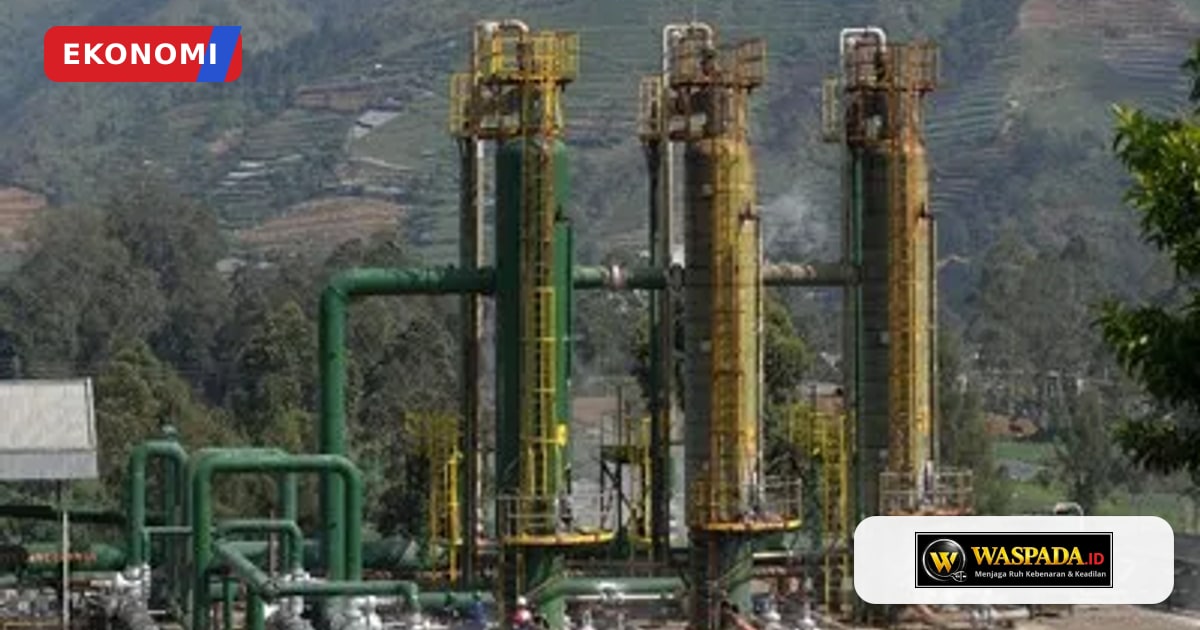
Indonesia requires approximately US$1 trillion or Rp17,892 trillion to construct renewable energy power plants and networks until 2060. This substantial investment need is part of the government’s efforts to accelerate the energy transition while supporting an 8 per cent economic growth target.
Ellen Setiadi, Deputy for Energy and Mineral Resources Coordination at the Coordinating Ministry for Economic Affairs, stated that these investment requirements were presented during a pre-event for the Indonesia International Sustainability Forum (ISF) 2026, titled ‘Resilient Business in the Net Zero Era’ in Jakarta on Wednesday (30/09/2026).
According to Ellen, the investment needs in the renewable energy sector are part of the national investment mobilisation to support economic growth. “The entire agenda requires significant investment, where the mobilisation needed to support 8 per cent growth is estimated at around US$799 billion, while the construction of renewable energy plants and networks until 2060 requires approximately US$1 trillion,” said Ellen.
National Electricity Demand Continues to Rise
Ellen explained that national electricity demand is expected to continue increasing alongside the development of industrialisation, digitalisation, and electrification. The government estimates that national electricity demand will reach approximately 600 terawatt hours (TWh) by 2030, with per capita electricity consumption projected to approach 2,000 kilowatt hours (kWh).
Consequently, the government is encouraging the development of new and renewable energy (EBT) to ensure an adequate, reliable, competitive, and sustainable electricity supply. In addition to building renewable energy plants, the government is also strengthening electricity infrastructure, ranging from transmission networks and inter-island interconnections to energy storage and more flexible electricity systems.
One of the government’s major plans is the construction of a green super grid spanning 70,000 kilometres by 2040. Strengthening this network is necessary to connect energy sources with industrial centres and regions with high electricity demand. The government targets inter-island interconnections, including the Sumatra-Java network, to be connected during the 2032-2035 period. “We are pushing PLN so that by 2040 at the latest, or ideally between 2032 and 2035, this inter-island interconnection can be established,” she said.
Domestic Green Energy Industry is Being Promoted
Ellen added that the acceleration of the energy transition must be accompanied by the development of domestic industries, including those supporting renewable energy power plants. She noted that the national solar module industry capacity has currently reached 11 GW per year.
Developing domestic industry is considered vital so that renewable energy investment needs do not only drive energy infrastructure development but also create economic activity and increase national industrial capacity.
At the same event, the Country Director of WRI Indonesia, Nirarta Samadhi, stated that the transition to net zero is no longer just an environmental issue but is increasingly linked to global business competitiveness. According to him, changes in energy prices can directly impact the production and logistics costs of companies.
Nirarta cited conditions in the second quarter of 2026, when Brent crude reference prices increased by approximately 27 per cent compared to the same period the previous year. During that period, the proportion of transport and handling costs for the two largest market-share cement companies increased by an average of approximately 13.25 per cent.
“Changes in energy prices do not stop at the oil market; the impact extends to production costs and corporate competitiveness,” said Nirarta.
According to Nirarta, low-carbon solutions can also present economic opportunities if they can increase efficiency, open new markets, and create economic value. He presented research from the UGM Centre for Energy Studies together with Climate Catalyst, which showed that a steel industry transition scenario has the potential to generate annual real GDP growth of approximately 0.21 per cent to 0.25 per cent. This figure is higher than the approximately 0.06 per cent seen in a ‘business as usual’ scenario.
“A low-carbon transition can not only reduce emissions but also open growth opportunities and strengthen the competitiveness of Indonesian industry,” he said.
Therefore, Nirarta believes that the business world requires clear market signals, policies, and infrastructure that provide certainty, as well as access to technology and financing to ensure the energy transition process can proceed. With renewable energy investment needs reaching approximately Rp17,892 trillion until 2060, the development of power plants, electricity networks, supporting industries, and financing remains a crucial part of Indonesia’s energy transition agenda.
Source: jawawa.id (https://jawawa.id/newsitem/building-renewable-energy-indonesia-requires-rp17-892-trillion-investment-1790830425)
Originally published by waspada.id (https://www.waspada.id/berita/bangun-energi-terbarukan-indonesia-butuh-investasi-rp17-892-triliun), translated from Indonesian