
Building Rails, Reducing Costs: Challenges and Directions for Indonesia's Railways
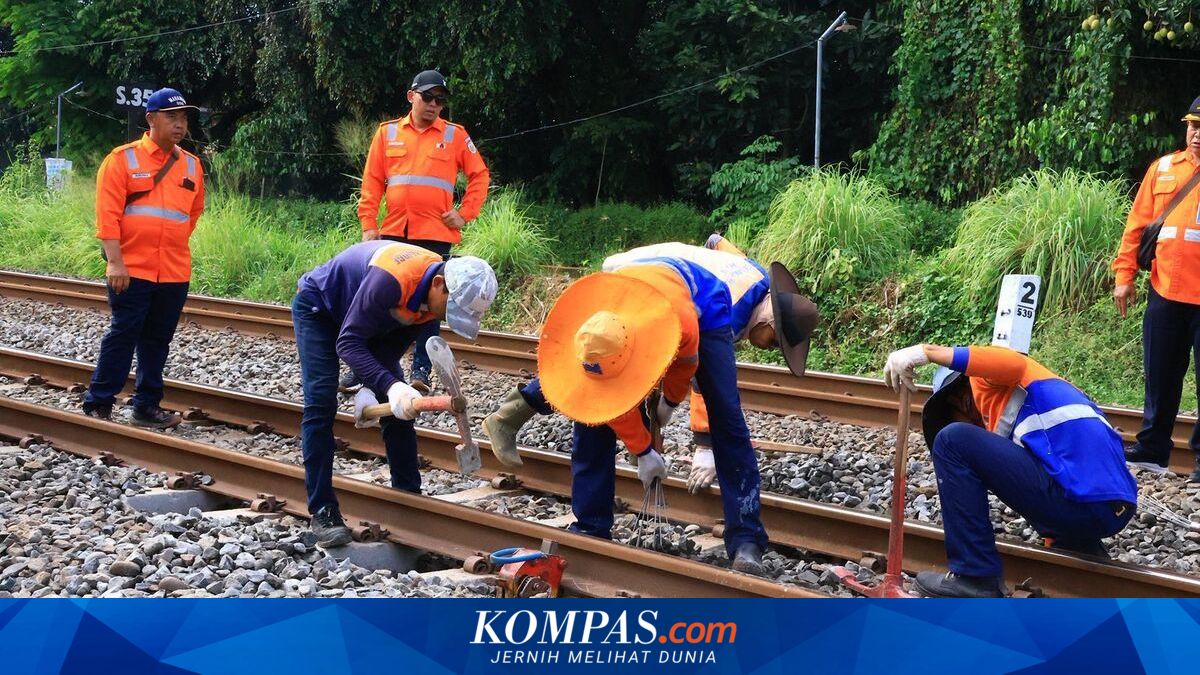
Indonesia actually does not lack development plans, but often faces challenges in execution and financing. This is also evident in the railway sector. Indonesia’s current rail network remains limited and has yet to support the continuously increasing national logistics needs. The length of operational railway lines is around 6,400–6,500 km, with the largest concentration on Java as the national economic activity hub. Sumatra has a more limited network, while other regions such as Kalimantan, Papua, and Maluku lack significant operational rail networks. This disparity directly impacts goods distribution patterns, which still heavily rely on roads. Around 90 per cent of national logistics are still transported by trucks. In the short term, this system is indeed flexible. On major routes like the North Coast of Java, truck traffic flows almost non-stop. Roads that should serve general mobility have instead become the backbone for heavy logistics. The impacts are not only felt on infrastructure but also on overall economic costs. Indonesia’s logistics costs remain around 23 per cent of Gross Domestic Product, higher than neighbouring countries in Southeast Asia. When distribution costs are high, goods prices are pushed up accordingly. Indonesian products become less competitive, both in the domestic market and for exports. In this context, transportation issues are no longer merely technical matters but have become strategic issues affecting national economic competitiveness. In many countries, railways serve as the backbone for distributing large volumes of goods over long distances. One freight train can replace dozens of trucks at once, with more efficient operational costs and lower environmental impacts. However, in Indonesia, the role of railways in goods transport remains relatively small. This means the actual efficiency potential available has not been optimally utilised. Therefore, the discourse on developing the rail network up to twice the current size is gaining strength. The big picture includes building new lines outside Java, strengthening existing lines, and integrating with ports, industrial zones, and logistics centres. On Java, the main needs are capacity increases through double tracks and the development of high-speed services. On Sumatra, the focus is on connectivity between economic zones and commodity transport routes. If this network can be built gradually and consistently, the impacts will be very significant. Goods distribution will become more efficient and stable, travel times more predictable, and pressure on the road network reduced.