
Building New Classrooms Boosts Local Economy, Says Education Ministry
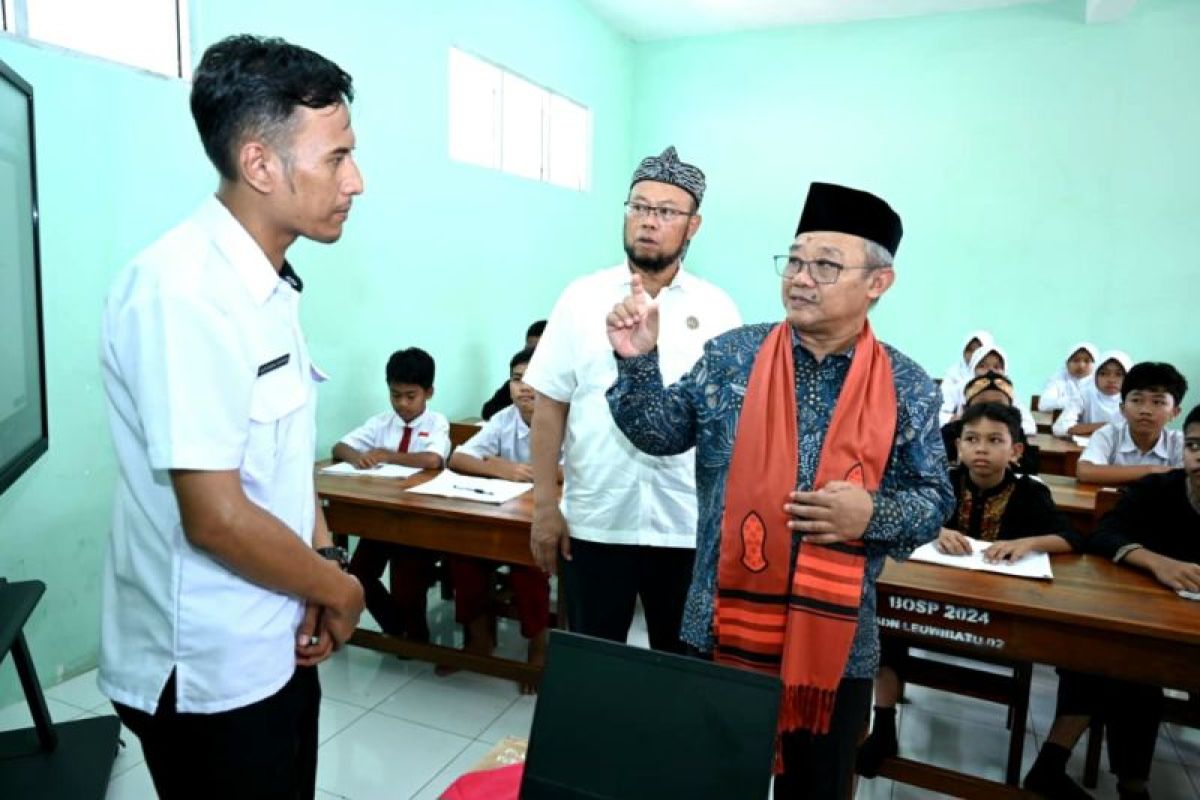
The Ministry of Primary and Secondary Education (Kemendikdasmen) has stated that the construction of new classrooms and the renovation of old ones through its educational unit revitalisation programme have successfully boosted the local economy in communities surrounding schools. Minister of Primary and Secondary Education Abdul Mu’ti said school revitalisation has a dual impact, namely providing a safer and more comfortable learning environment for students, while also serving as an instrument to drive the community’s economy. “School revitalisation is not just about building educational facilities, but also creating jobs and moving the community’s economy. The implementation system is carried out through self-management, prioritising local labour and purchasing materials from local shops,” said Minister Mu’ti in Jakarta on Thursday. He noted that school revitalisation ultimately becomes a social investment that strengthens education while energising the community’s economic wheels, delivering shared benefits from the classroom to the surrounding environment. “From the start of construction, we must involve the community. We empower the committee, we empower the community. Thank God, the community helps us,” said Sudrajat. He explained that during the construction process, local residents were engaged as workers, while the building material needs were also met by local businesses around the school. Through the Educational Unit Revitalisation Programme, which is part of President Prabowo Subianto’s Quick Best Results Programme (PHTC), SDN Leuwibatu 02 received six new classrooms, one toilet, and the renovation of three classrooms with a budget of Rp2.1 billion. Meanwhile, SD Negeri Leuwibatu 03 received three new classrooms, one administration room, and the renovation of four classrooms with a budget of Rp1.5 billion. These two schools have now been merged into SDN Leuwibatu 02.