
Building Markets and Strengthening the Indonesian Economy
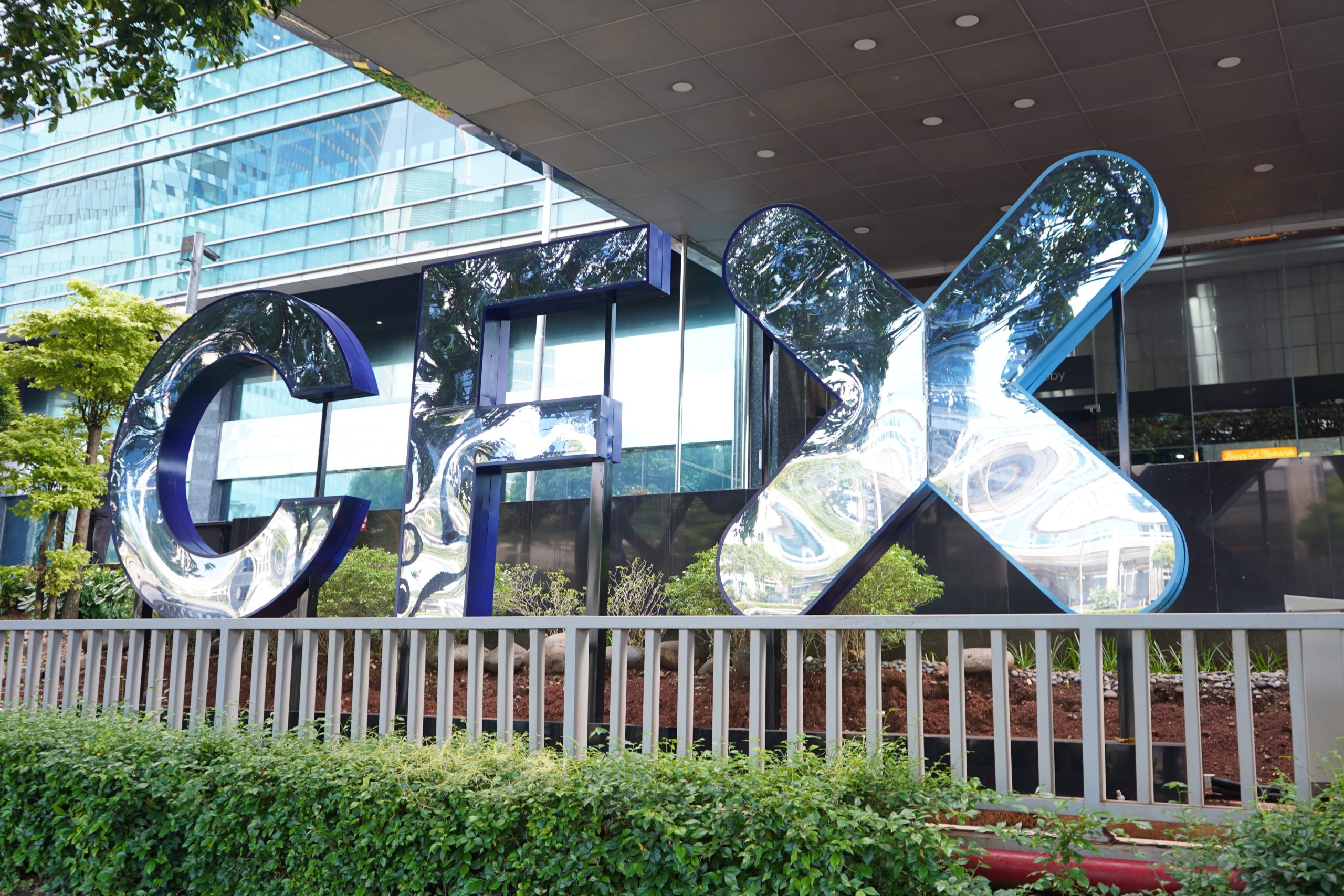
The 2027 State Budget (RAPBN) shows that the government does not only view the state budget as an instrument to finance development programmes and social protection. Behind the various policies presented in the Introductory Speech to the 2027 RAPBN, there is a broader agenda, namely building and strengthening Indonesia’s domestic market. The market in this framework does not only mean the stock market, but includes the commodity market, capital market, investment market, energy market, and the market for products and services directly related to community activities.
This direction is evident from the government’s emphasis that the state budget is an instrument of struggle to protect the people, strengthen the nation, and realise a better life. Thus, fiscal policy does not stand alone. The state budget becomes one of the instruments to create conditions so that economic activity, investment, production, trade, and financing can develop more productively.
One of the clearest agendas regarding market formation is the plan to operationalise the Strategic Mineral and Commodity Exchange on 1 January 2027. The government targets the issuance of its implementing regulations by 17 September 2026 at the latest and places the exchange under the supervision of the Financial Services Authority (OJK). The function to be built is not merely to provide a place for transactions, but to create an Indonesia Reference Price for major export commodities.
This is an important change in the way Indonesia views its natural wealth. So far, Indonesia’s strategic commodities have been traded in a global market system whose reference prices are largely determined by trading centres and markets abroad. By building its own exchange, Indonesia is trying to improve its ability to form price references from within the country.
The implications are far greater than just commodity transactions. A strong reference price can increase price transparency, improve trading mechanisms, and strengthen Indonesia’s position in the global value chain. For a country that is a major producer of minerals and various strategic commodities, the ability to form prices is part of economic sovereignty.
Therefore, the commodity exchange in the 2027 RAPBN can be seen as part of the downstreaming strategy. Downstreaming will not be optimal if Indonesia only becomes a production location while prices and trading mechanisms are determined abroad. Production, processing, financing, trading, and price formation need to be increasingly integrated within the national economic ecosystem.
The next market agenda is capital market reform. The government mentioned the demutualisation of the Indonesian capital market as part of a broader reform. The OJK is also directed to carry out major reforms to protect public investment and take action against violations of exchange rules. The ultimate goal is to bring the Indonesian capital market towards world standards and enlarge the scale of the national capital market.
Interestingly, the reform is not only directed at investors who are already active in the capital market. The government explicitly mentioned opening access for start-up companies and entrepreneurs to obtain capital and grow. This means the capital market is positioned as a source of financing for productive economic activity.
In the perspective of economic transformation, this is important because growth cannot rely solely on government spending or bank credit. Companies need diverse sources of financing to enlarge production capacity, expand, develop technology, and enter new markets.
A larger capital market can also become a bridge between public savings and corporate investment needs. If this mechanism works well, more domestic capital can be channelled to productive activities within the country.
The financial market is also an important part through the Indonesia Financial Center plan located in Jakarta and Bali. This centre is designed as a centre for finance, investment, financial technology, arbitration, and commercial dispute resolution. The government is also preparing investment facilities, golden visas, and competitive licensing services.
This concept shows that Indonesia wants to move from merely being an investment destination towards a country that has its own international financial ecosystem. Global investors do not only need projects to invest their capital in. They need a financial centre, legal certainty, dispute resolution mechanisms, professional services, and transaction infrastructure that can compete with regional financial centres.
If successful, the Indonesia Financial Center can increase the opportunity for some financial activities that have so far been carried out through financial centres in other countries to take place in Indonesia. This means market creation is not only done by increasing the amount of investment, but also by building institutions that allow that investment to take place domestically.
Market formation is also evident from the agenda of optimising state-owned enterprise (SOE) assets. The government mentioned that there are still SOE assets that have not been utilised optimally. These assets will be developed through cooperation with the private sector with an open, competitive, and accountable process, while strategic state ownership is maintained.
This approach changes the way state assets are viewed. Assets are not enough to be merely owned; assets must generate economic value. Land, infrastructure, production facilities, and various SOE assets can become the basis for new business activities if managed productively.
Cooperation with the private sector also opens space for market mechanisms to work. The state maintains strategic ownership, but private capital, technology, management expertise, and business networks can be used to increase asset productivity.
Source: jawawa.id (https://jawawa.id/newsitem/building-markets-and-strengthening-the-indonesian-economy-1786971046)
Originally published by vibiznews.com (https://vibiznews.com/index.php/2026/08/17/membangun-pasar-dan-memperkuat-ekonomi-indonesia/), translated from Indonesian