
Building Electricity Infrastructure to Mitigate Energy Crisis
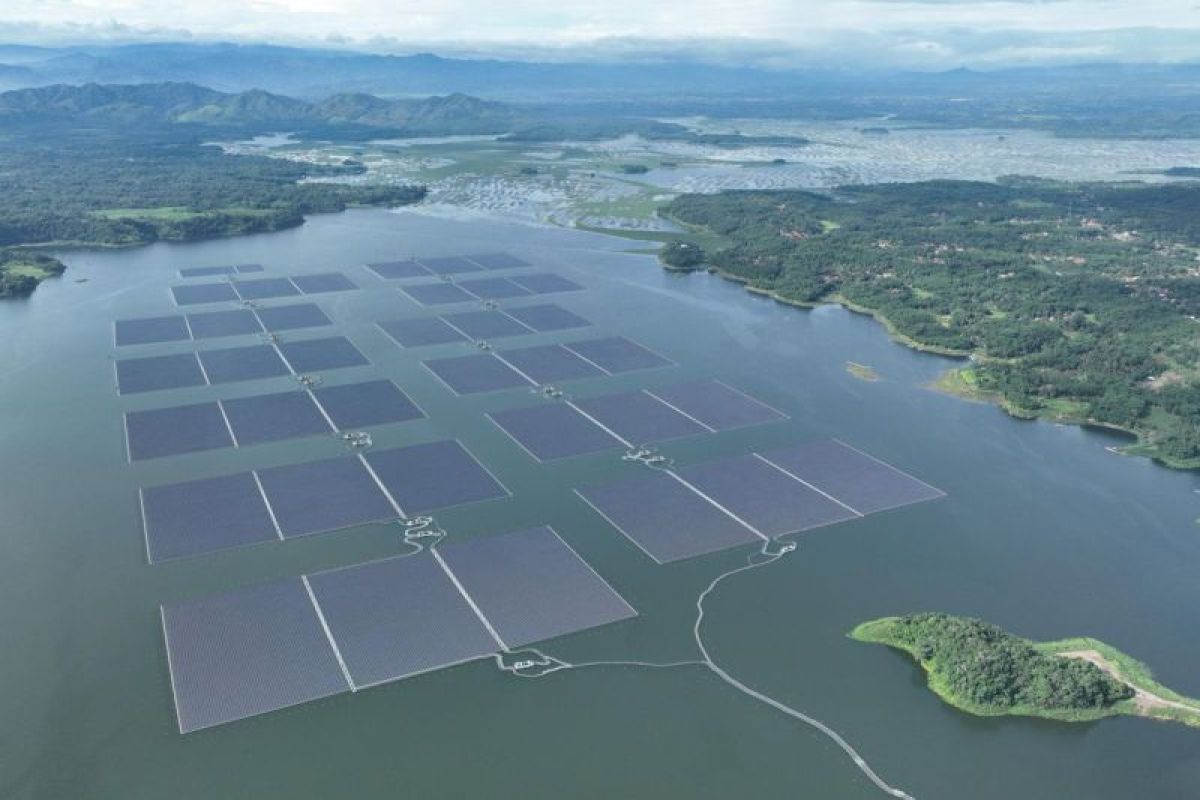
In recent years, Indonesia has faced significant challenges in the energy sector. Economic growth requires an ever-increasing supply of electricity, while digitalisation drives up energy consumption. At the same time, the world demands a transition towards cleaner and more sustainable energy as a step to mitigate the energy crisis. Responding to these challenges cannot be achieved merely by maintaining the status quo. It requires sustainable development and the ability to adapt to changing times. Therefore, various electricity infrastructure developments must be understood as part of an effort to build a long-term foundation for the nation. For instance, the operation of 60 new power plants with a total capacity of 16.5 gigawatts over the past five years serves as tangible evidence that development in the national electricity sector is progressing well. This development is supported by various other elements. The presence of new power plants goes hand in hand with the strengthening of transmission networks, the construction of substations, and digital transformation, making the national electricity system more reliable and efficient. These achievements demonstrate that the transformation undertaken not only touches on aspects of corporate governance but is also realised through infrastructure development whose benefits are directly felt by the public. This is noteworthy because it serves as a reminder that energy development cannot be measured by a single project or region alone. Energy resilience is built through many interconnected components. Power plants generate electricity, networks transmit it, substations regulate its distribution, while digital technology ensures the entire system works effectively and responsively. Thus, the fact that 60 new power plants with a total capacity of 16.5 gigawatts are operational answers various assumptions that there has been no power plant development in recent years.