
Building a financial information ecosystem that sides with consumers
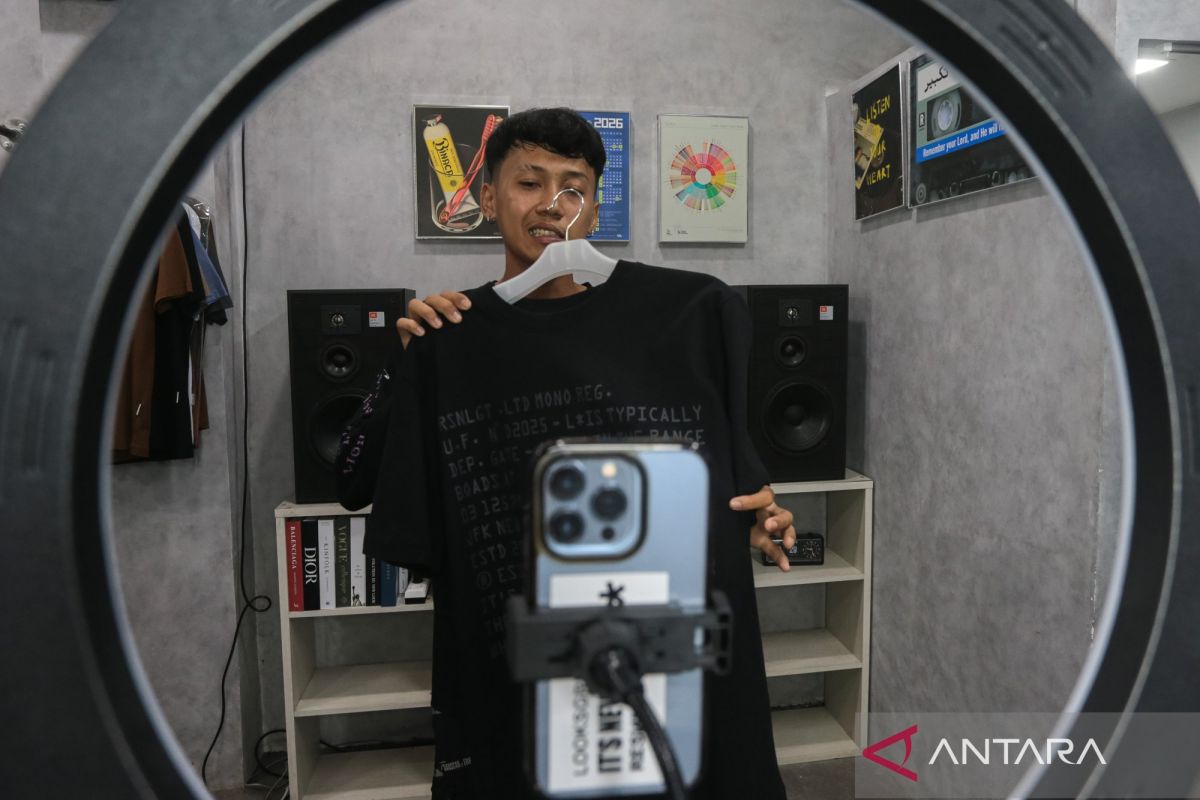
Trust is the most expensive currency in the financial services industry. Lost money can be earned back, but collapsed trust takes years to restore. In the age of social media, that trust is no longer built solely by financial service businesses. It is also born from mobile phone screens, through faces that appear daily on the public’s timelines. They are called financial influencers, or finfluencers, figures capable of influencing public decisions with just one post, one short video, or one live broadcast. On one hand, they contribute to improving financial literacy, but on the other, when information turns into persuasion that disguises economic interests, the public is in the most vulnerable position. What is at stake is not only investment funds, but also trust in the entire financial services industry.
This phenomenon is no longer merely a matter of digital communication ethics. In recent years, various countries have begun strengthening oversight of financial influencer activities, as investment recommendations from popular figures turned out not to be entirely based on objective analysis, but were influenced by commercial relationships, affiliations, and even personal interests. In Indonesia, regulators have also begun to see the same symptoms. The increasing number of retail investors, the rapid use of social media as a source of financial information, and the emergence of various content blurring the line between education and promotion prompted the birth of Financial Services Authority Regulation (POJK) Number 6 of 2026 concerning the Conduct of Financial Services Sector Information Providers.
This regulation does not merely govern the behaviour of financial sector information providers, including financial influencers, but reminds all industry players that consumer protection must begin the moment information is first received by the public. Many parties view this new rule as a threat to content creators. This view is inaccurate. What the Financial Services Authority (OJK) is actually building is a culture of accountability. Financial information cannot be treated the same as promotions for fashion or culinary products. When someone talks about investment, online loans, insurance, digital assets, or other financial products, every sentence has economic consequences for others. Choosing the wrong outfit might only cause momentary regret, but making the wrong investment decision due to misleading information can wipe out a child’s education savings, retirement funds, or even a family’s business capital. Therefore, financial information must not only be engaging to watch, but must also be correct, complete, proportionate, and accountable.
This is where a very important paradigm shift lies. So far, public attention has been mostly directed at the influencers who deliver the content. In practice, however, much of this content originates from collaborations with financial service businesses. Therefore, responsibility cannot stop with the individual appearing on camera. POJK Number 6 of 2026 concerning the Conduct of Financial Services Sector Information Providers actually emphasises that financial service businesses have an obligation to ensure their information provider partners understand the product, convey information correctly, do not misuse consumer data, openly disclose commercial relationships, and only market products that have obtained regulatory approval. In fact, responsibility for the information conveyed cannot simply be detached from the financial service business collaborating with the influencer. This approach demonstrates that consumer protection is a shared responsibility, not merely the obligation of individual content creators. For the financial services industry, these provisions should not be seen as an additional compliance burden, but rather as a long-term investment in building reputation. An influencer’s popularity can increase marketing reach within hours, but a company’s reputation is built over years. If content is proven to be misleading, the public will not only remember the influencer’s name, but also the name of the company whose product was being promoted.