
Building 100 GWp of Solar Power Capacity Is Projected to Require Two Million Field Workers
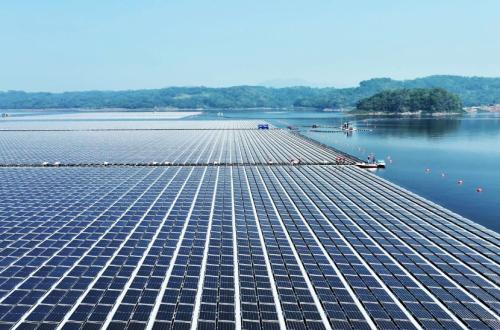
JAKARTA — The Indonesian Solar Energy Association (AESI) estimates that building solar power plants (PLTS) with a capacity of 100 gigawatt-peak (GWp) will require around two million field workers. These roles will cover various stages of development, from installation to power plant construction.
AESI chairwoman Mada Ayu Habsari said field workers would form part of the 5.5 million-strong workforce projected to be needed to support the 100 GWp solar programme. Of that total, 3.5 million workers will be required in manufacturing.
“Solar power is multidisciplinary. It requires not only graduates in electrical engineering, energy systems or power engineering, but also people from law, finance, management and community development,” Mada said on the PLN Institute of Technology (ITPLN) ET Talk podcast, as quoted on Tuesday (27 October 2026).
She explained that solar power development requires workers with a range of skills. The solar energy industry needs not only people to install and build power facilities, but also professionals who can manage projects and understand their investment and operational characteristics.
Mada said the scale of demand presented Indonesia with a challenge in preparing a competent workforce. The supply of local workers for mid- to senior-level management roles also needs to be strengthened. In some projects, foreign investors still bring in their own specialists to ensure construction meets the required standards.
“We are confident that local workers have the ability. However, there are not many of them yet, so those capabilities cannot be replicated on a large scale,” she said.
Mada urged the government, universities and industry players to accelerate efforts to improve the skills of the national workforce. She also emphasised the importance of knowledge-sharing and technology transfer so Indonesian workers can master the skills needed to develop solar power plants.
ITPLN rector Iwa Garniwa said the workforce required to support the 100 GWp solar programme posed a major challenge for the education sector. Only around 10,000 people are currently employed in Indonesia’s solar energy industry.
“For our energy community, the 100 GWp solar programme will need 5.5 million skilled talents over the next three years. That is a challenge for all of us,” Iwa said.
Iwa said ITPLN was seeking to help prepare graduates with skills suited to the solar energy industry. The university has made the energy transition one of its educational priorities, including the development of bifacial solar technology.
AESI is also running its AESI Goes to Campus programme to introduce students to the skills required by the solar energy industry. The initiative is expected to broaden understanding of job opportunities and help align industry needs with the readiness of prospective workers.
Mada said workforce preparation must go hand in hand with the development of large-scale solar projects. Collaboration between universities, the government and industry is essential to meet demand for millions of workers gradually through vocational education, skills upgrading and stronger local workforce capabilities.