
Budget Efficiency: DKI Jakarta Provincial Government Guarantees Basic Public Services Remain Safe
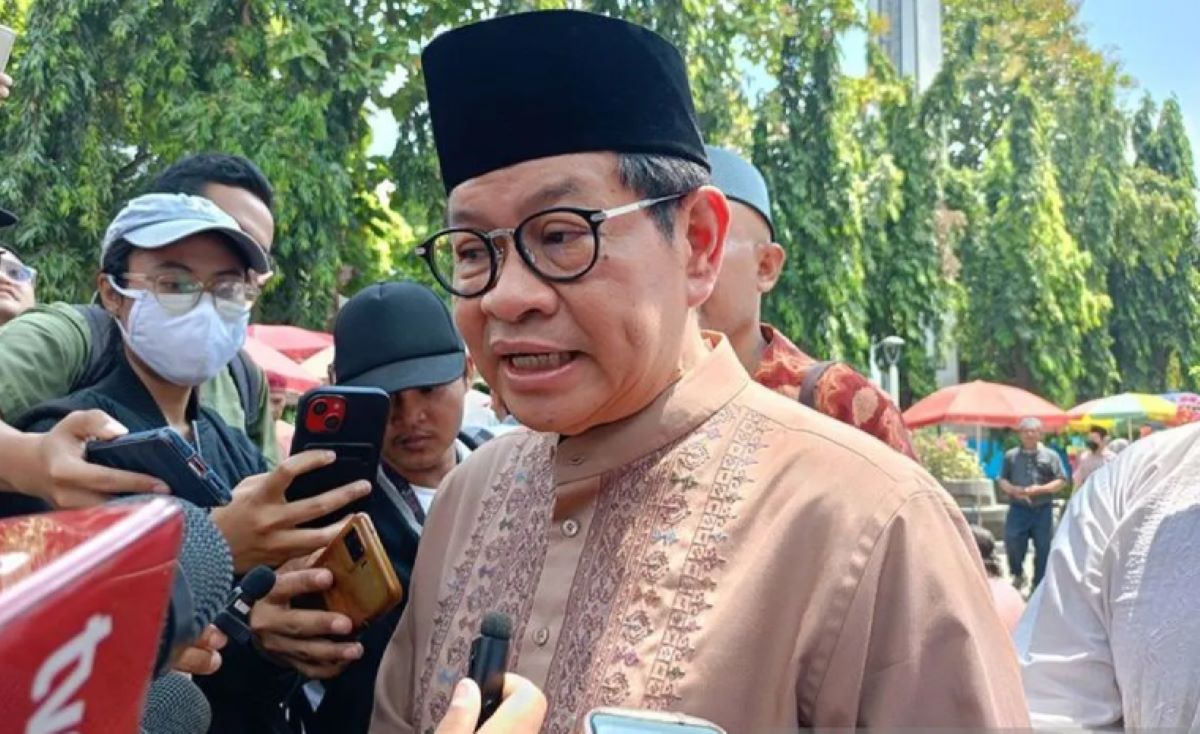
The Provincial Government of DKI Jakarta has affirmed its commitment to prioritising basic services for residents amid budget efficiency measures.
Vital sectors such as health, education, social protection, and transport are guaranteed to continue operating in order to reduce social inequality in the capital.
Governor of DKI Jakarta Pramono Anung explained that budget constraints must not diminish the fulfilment of the public rights of Jakarta’s citizens.
“I am conveying several matters, including those related to how Jakarta, which is currently developing, can resolve its transport issues, health problems, education, and of course social issues,” said Pramono on Saturday (22/8).
In the education sector, the continuity of social assistance programmes such as the Jakarta Smart Card (KJP), the Jakarta Superior Student Card (KJMU), and the free private school programme for underprivileged families continues to be prioritised.
In addition to continuing resident assistance programmes, the DKI Jakarta Provincial Government is focused on completing a number of infrastructure projects inherited from the previous administration.
These measures include the dismantling of monorail pillars, the redevelopment of the Rasuna Said area, the construction of a connecting bridge from Jakarta International Stadium (JIS) to Ancol, and the repurposing of the Sumber Waras land.
“So Sumber Waras will become an international hospital, and I have conveyed this to the central government. Hopefully we can hold the groundbreaking in the coming months,” Pramono stressed.
In the transport sector, the expansion of public transport integration continues to be pursued. The construction of the Jakarta LRT route from Kelapa Gading to Manggarai has now been completed and is scheduled to officially commence operations on 26 August 2026.
The next phase will extend the route to Dukuh Atas to broaden the reach of the mass transit fleet.
“Public transport connectivity in Jakarta has now reached 93%,” said Pramono.
The Governor urged residents to make more active use of public transport to reduce congestion and air pollution.
To support the financing of all these infrastructure projects without burdening the regional budget (APBD), the DKI Jakarta Provincial Government is optimising creative financing schemes, including utilising floor area ratio (KLB) obligation funds.
Beyond physical development, Pramono expressed appreciation for the participation of community elements and religious institutions in supporting environmental management, such as the movement to sort waste at source.