
Bude Sum Breakfast Warung Seeks Growth Through Additional Capital
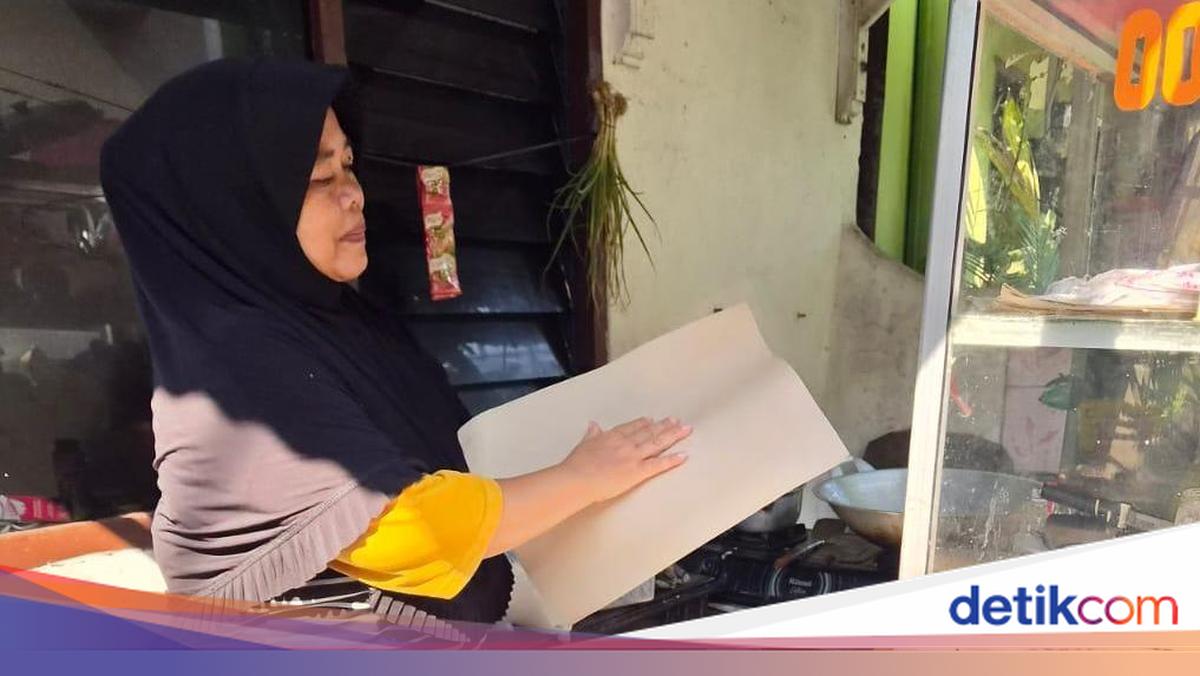
On a 3-square-metre plot in front of her home, Sumiyati efficiently serves dishes and fried snacks ordered by residents. Nasi uduk is the star dish offered to customers. It is here that Sumiyati established her breakfast warung, named Warung Bude Sum.
On Saturday (28 May), Bude Sum—the nickname for Sumiyati—was busy serving customers who came in succession to order breakfast, a day after Eid al-Adha 2026. Women, children, and adult men alternated purchasing her offerings. Alongside nasi uduk and fried snacks, Bude Sum serves various pepes, savoury chicken intestines, braised tofu and tempeh, fried rice vermicelli, fried noodles, fried chicken, balado eggs and stew, pastries, arem-arem, and occasionally ketupat sayur.
Before running the breakfast warung, Bude Sum sold side dishes and plain rice. Long before this, she had sold soto. “I’ve been selling for a long time, breakfast. Before this, the business was at Asparagus. There was soto. Selling soto, beef soto, chicken soto, noodle soto—all kinds of soto. (Selling breakfast) has been about a year,” Bude Sum said during an interview at Jl Hud II, Sukabumi Utara, Kebon Jeruk, West Jakarta.
Bude Sum’s activities don’t stop in the morning. Before setting up her stall, she heads to the market in the afternoon to buy ingredients. In the evening, she processes them into meals for her breakfast customers. “Afternoon to the market, nap during the day. I can’t sleep at night, so I process the food. Only sleep at 1am, sometimes half past 2, for the breakfast. Sleep for about an hour,” she said.
Bude Sum runs the business to meet daily living expenses and support her husband, who also works. “I’m grateful my sales generate profits used to pay the monthly rent of Rp 1.5 million,” she said. “We just break even with the sales. Buy in the evening, break even by morning. There’s a little profit, alhamdulillah.”
Like many others, Bude Sum felt the pandemic’s impact, which drastically changed people’s lives. When she was selling soto and the pandemic hit, her customers decreased. Bude Sum returned to her hometown in Semarang for a few months before coming back to the capital. “Customers kept decreasing because eating in was not allowed. We were confused about selling. Only regulars called. That’s when I went back home to Semarang for a few months,” she said.
At the time, someone offered her a Kredit Usaha Rakyat (KUR) from BRI, but the pandemic made her hesitate. She later took the KUR BRI to expand her breakfast business capital. “To increase capital, I took 15 (Rp 15 million). For capital, so the menu expanded, alhamdulillah it helped,” Bude Sum smiled.
Bude Sum hopes her business continues and grows busier. Her residential area’s dense population is maximised by serving delicious breakfasts. “It’s just for nasi uduk, this one (taking KUR BRI), the point is to borrow for capital to expand, business capital. So, even if it’s small, it grows,” she said.
From this business, Bude Sum places her hopes for herself and her family. “I want it busier, more customers, the business runs smoothly. To grow further,” she said.
Wira, a local resident, is a regular customer of Bude Sum’s breakfast. The single man feels helped by the warung’s presence, as he doesn’t have to worry about what to eat in the morning. “The nasi uduk is tasty, portions are decent. I buy almost every day when I come home. Usually stay at work. I like the nasi uduk, especially the fried snacks still warm in the morning,” Wira said.
Wira hopes Bude Sum’s business and other SMEs can grow. He believes programmes like KUR BRI greatly assist the people’s economy. “It’s good like that. So citizens’ money circulates, and besides, the breakfast here is delicious,” he said.
BRI President Director Hery Gunardi stated that through KUR, the bank aims to provide accessible, targeted, and sustainable financing for entrepreneurs. BRI is strengthening collaboration with stakeholders, including local governments, farmer groups, and agricultural extension workers, to ensure KUR disbursement has tangible economic impact.
From January to March 2026, BRI successfully disbursed Rp 47.09 trillion in KUR to 947,000 loan customers. BRI emphasised that KUR disbursement is conducted prudently, transparently, and accountably. Through this, BRI is optimistic about contributing to food security, improving farmers’ welfare, and inclusive, sustainable people-driven economic growth.
“The SME segment remains a core pillar in BRI’s financing portfolio, with total disbursement reaching Rp 1.211 trillion,” he said.
“This disbursement not only reflects BRI’s extensive scale and service reach but also acts as a catalyst for promoting productive business growth, enhancing SME capacity, and creating jobs across regions,” Hery Gunardi added.