
BTN collaborates with KAI to provide KPR for 5,400 new TOD housing units
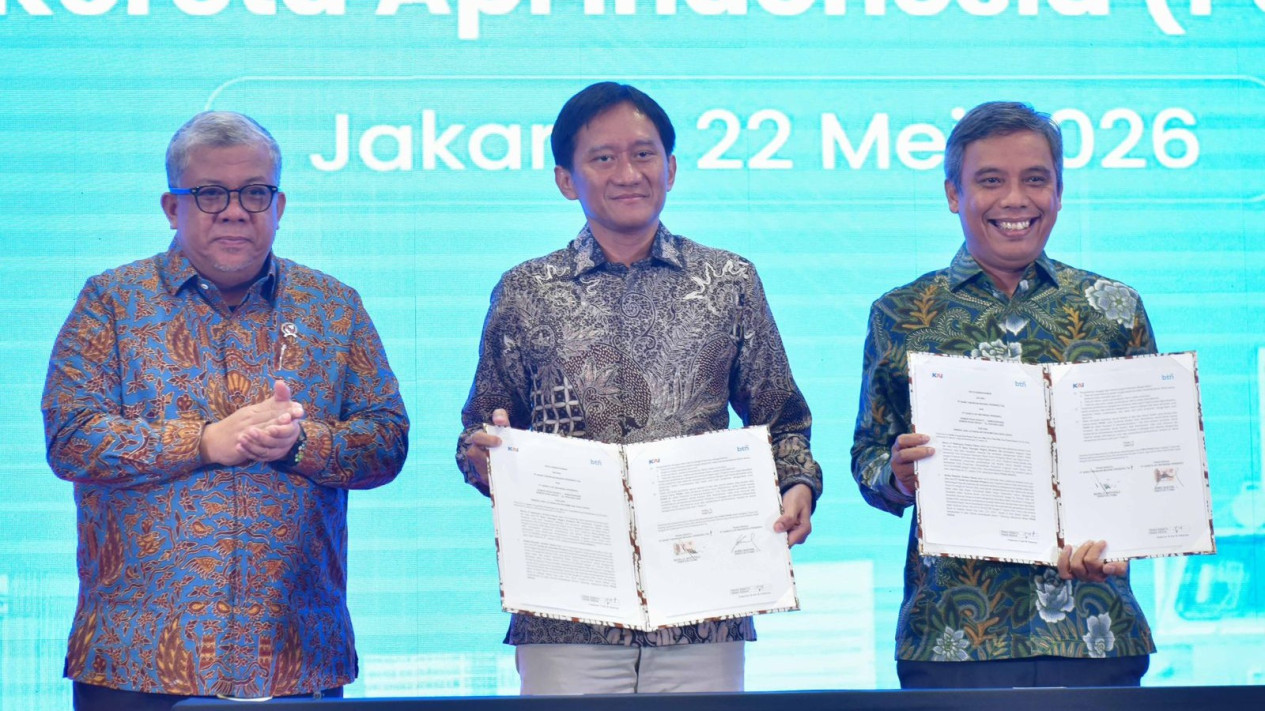
Jakarta, VIVA – PT Bank Tabungan Negara Tbk (BTN) and PT Kereta Api Indonesia have collaborated to provide Kredit Pemilikan Rumah (KPR) and integrated vertical housing in the Manggarai, Kiaracondong, Gubeng, and Semarang areas. The collaboration supports the Government’s 3 Million Homes Programme.
The partnership represents a development of Transit Oriented Development (TOD)-based housing in several strategic cities across Indonesia. The collaboration was formalised by signing a Memorandum of Understanding (MoU) between BTN’s President Director Nixon L.P. Napitupulu and KAI’s President Director Bobby Rasyidin in Jakarta on Friday (22/5).
BTN and KAI’s collaboration focuses on developing vertical housing areas directly integrated with public transport such as the KRL Commuter Line, LRT, MRT, and Transjakarta. The initiative forms part of both state-owned enterprises’ support for the Government’s 3 Million Homes Programme, while addressing urbanisation challenges and the limited land available in city centres.
Nixon L.P. Napitupulu said the TOD-based housing concept is increasingly relevant for Indonesia because it can link housing, transport, and economic activity hubs within a single integrated area. “The development of future cities can no longer separate housing, transport, and centres of economic activity. Therefore, the concept of Transit Oriented Development, or TOD, is highly relevant for development in Indonesia,” he said, in quotes from his statement.
According to Nixon, many workers in Jakarta still live far from the city centre, so transport costs can reach 20% to 25% of monthly income. Therefore, developing vertical housing in city centres is considered a more efficient and affordable solution for urban residents.
Moreover, Nixon added, developing station precincts as hubs for housing and economic activity has also become a trend in many advanced countries such as Japan, Singapore, and Hong Kong. The model is considered capable of creating urban areas that are more efficient, productive, and comfortable for residents.
On the same occasion, KAI’s President Director Bobby Rasyidin said the project combines affordable housing, TOD zones, and the development of new business centres in Jakarta.