
BSSN builds resilient national cyber security ecosystem through quad helix model
Jakarta — The National Cyber and Cryptography Agency (BSSN) has reaffirmed its commitment to building a resilient national cyber security ecosystem through a collaborative quad helix approach.
“Cyber security is the foundation of trust in our national digital ecosystem. Without strong cyber resilience, digital transformation will not proceed optimally,” said Berty B.W. Sumakud, Head of BSSN’s Legal and Public Communication Bureau, in a statement received in Jakarta on Thursday.
The quad helix is a collaborative system involving government, industry, academia, and communities, with mass media serving as a strategic partner in disseminating cyber security information to the public.
This commitment emerged during a cyber security dialogue session (CyberTalk) held as part of BSSN’s Ramadhan networking event with leading editors and media representatives in Jakarta.
According to Berty, collaboration with national media represents an implementation of strengthening the quad helix and disseminating national cyber security awareness. In this forum, BSSN emphasised that the quad helix approach is a strategic framework essential to building a resilient and sustainable national cyber ecosystem.
Within this framework, media occupies a strategic position as a bridge for information, shaping public perception, and accelerating digital literacy among communities.
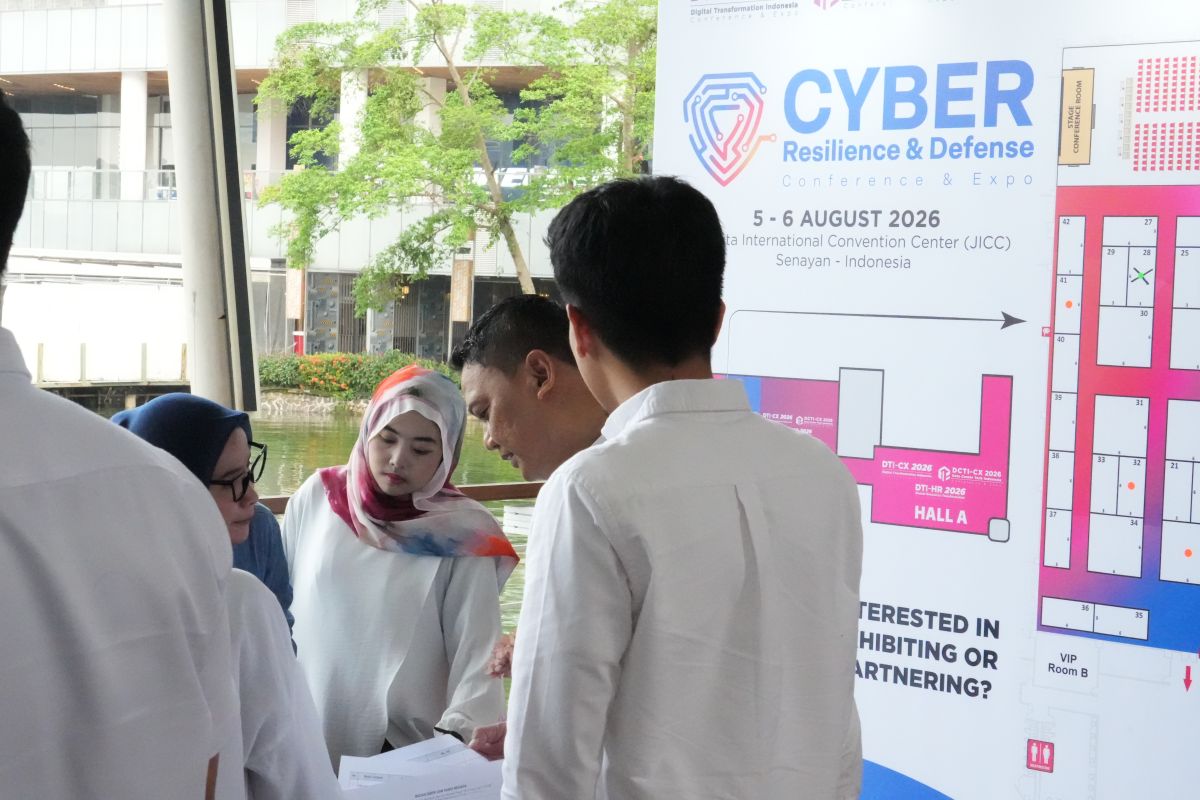
As a follow-up to strengthening this ecosystem, BSSN introduced the strategic agenda Cyber Resilience and Defence 2026. “This is a national forum designed to bring together stakeholders from five main elements on a single collaborative platform,” Berty said.
Through this platform, policy leaders, industry practitioners, and cyber security communities are expected to strengthen synergies in building adaptive, responsive, and sustainable national cyber resilience.
In line with this initiative, BSSN views mass media not merely as a communication channel, but as a strategic partner in building national cyber resilience. “Media plays a vital role in enhancing digital literacy, shaping objective public perspective, and disseminating accurate and educational information regarding the evolving landscape of cyber threats,” Berty explained.
He added that current cyber threats have become increasingly complex, ranging from attacks on critical information infrastructure, malware distribution, to disinformation in digital spaces. “BSSN hopes that collaboration with media can serve as the first line of defence in building collective societal awareness against these various threats,” he said.
During the cyber dialogue, two experts participated: cyber security specialist I Made Wiryana and communications expert Ermiel Thabrani, who shared their perspectives on national cyber security.
“Digital literacy and cyber security education are key factors in developing national cyber security,” Wiryana said.
Communications expert Ermiel Thabrani emphasised the important role of media in conveying crisis communication and how to maintain trust amid cyber incidents that frequently occur. “In situations of crisis or national cyber incidents, how institutions respond and build public narratives will determine public perception and BSSN’s credibility as a cyber authority at both national and international levels,” Thabrani said.