
BSKDN stresses synergy between state and customary law to protect indigenous communities
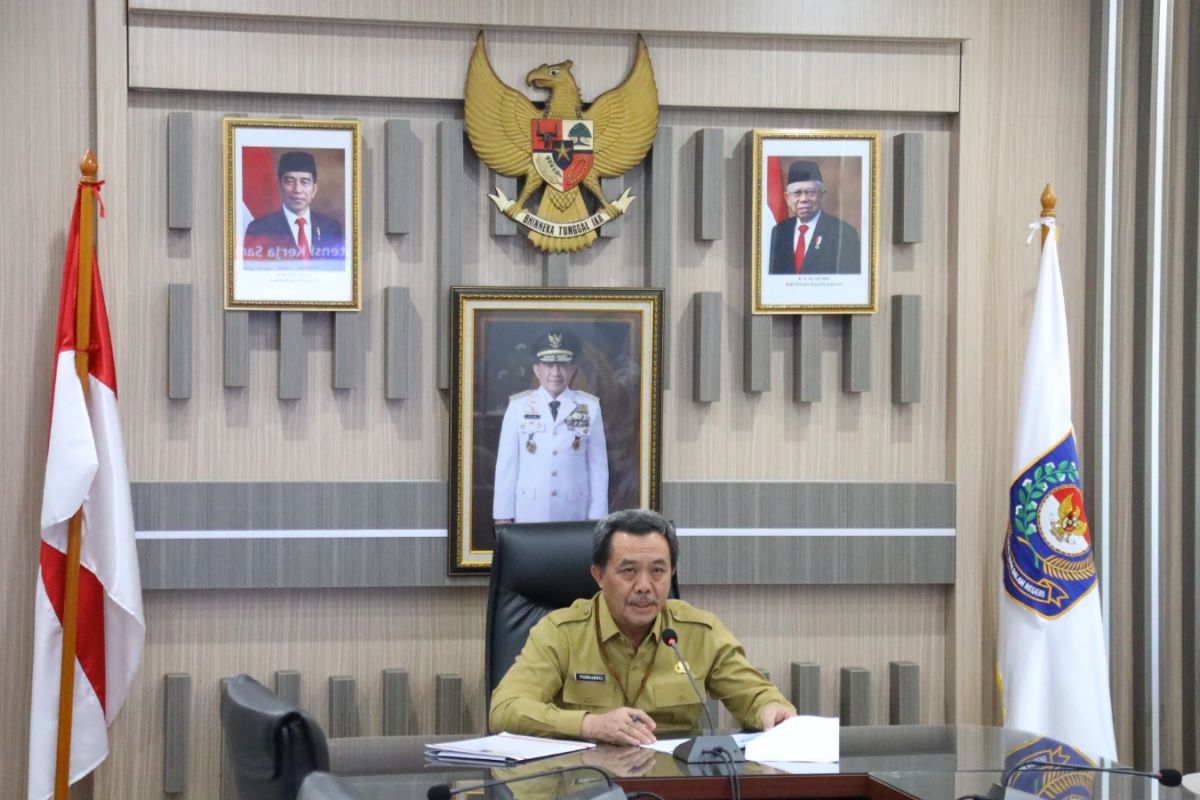
The Ministry of Home Affairs’ Agency for Strategic Policy (BSKDN) has emphasised the importance of synergy between state law, customary law, research, and community participation in strengthening the protection of indigenous legal communities. This was conveyed by BSKDN Head Yusharto Huntoyungo during a focus group discussion on drafting an academic paper and Regional Regulation on Indigenous Legal Communities for Southwest Papua Province. He stated that the discussion should not merely be a technical forum but a space to synergise state law, customary law, local wisdom, and scientific research. Yusharto noted that Papua’s development cannot rely solely on administrative approaches or economic growth but must be founded on respect for local wisdom, culture, and the rights of indigenous peoples, which are integral to Papuan identity. He stressed that the regional regulation must guarantee full recognition of indigenous communities, providing certainty on rights protection, customary territories, institutional strengthening, and community empowerment in regional development. While Southwest Papua has significant development potential, including 4.03 percent economic growth in 2025 and a Human Development Index of 70.55, challenges such as a 17.95 percent poverty rate and 6.56 percent open unemployment rate require inclusive growth that benefits all, especially indigenous Papuans. Yusharto recommended that indigenous communities be made the primary subjects in every stage of policy formulation, involving traditional leaders, women, youth, and village communities. He also urged the creation of a valid, integrated, and sustainable database on indigenous legal communities and harmonisation of the draft regulation with sectoral laws to avoid overlapping authority or conflicting norms. The regulation should also foster local economic development based on custom, provide legal certainty for responsible investment, and establish clear implementation governance.