
BSKDN Invites Students to Develop Innovations Based on Local Wisdom
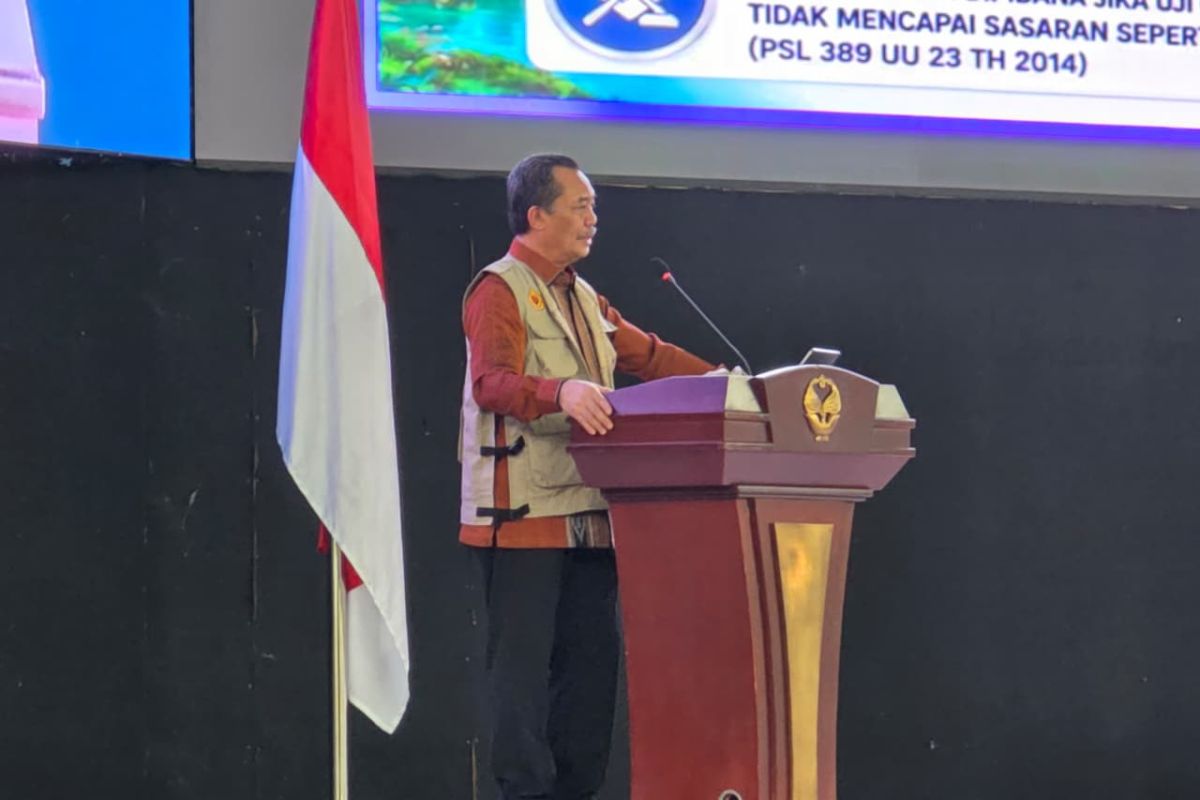
Jaya (ANTARA) - Yusharto Huntoyungo, head of the Domestic Policy Strategy Agency (BSKDN) at the Ministry of Home Affairs, has called on students from Cenderawasih University (Uncen) undertaking community service (KKN) to become agents of change capable of delivering local wisdom-based innovation to drive progress in Yapen Islands Regency.
“The presence of students must be able to add value to the community. KKN is an opportunity to produce innovative solutions, strengthen community empowerment, and optimise local potential as capital for regional development,” Yusharto said in a statement in Jakarta on Friday.
He made the remarks while delivering a presentation at an event on Community Empowerment Based on Local Wisdom and Creative Economy Strengthening in Yapen Islands Regency, combined with a symbolic send-off for Uncen KKN students at the Uncen Auditorium in Jayapura on Thursday (16 July).
According to him, the local potential possessed by communities will have a more sustainable impact if managed through an innovative approach involving collaboration between universities, regional governments (Pemda), and the community.
In his presentation, Yusharto stressed that KKN is not merely part of fulfilling academic obligations. It is also a space for students to apply their knowledge in answering various development challenges within society.
Yusharto explained that Yapen Islands Regency has diverse potential that could be developed into new economic strengths, ranging from fisheries and agriculture to tourism and the cultural wealth of indigenous communities. He said all this potential needs to be managed creatively without abandoning local wisdom values passed down through generations.
He assessed local wisdom not merely as cultural heritage, but as social capital that can serve as a foundation for creating regional innovation relevant to community needs.
Therefore, KKN students are expected to explore this potential, develop it into various empowerment programmes, and help generate greater economic value for communities.
“We do not always have to start from something new. Many solutions are actually born from the local strengths communities already possess. Your task is to help develop that potential through an approach that is more innovative, creative, and adaptive to the times,” he said.
Beyond producing work programmes during their service period, students are also expected to leave behind good practices that can be continued by the community and regional government after the KKN activities end. This way, the benefits of service do not stop at ceremonial activities but can create lasting change.
Yusharto added that successful regional development is determined not only by the size of budgets or infrastructure development, but also by the quality of human resources capable of creating innovation suited to the characteristics of each region. For this reason, universities have a strategic role as partners of regional governments in strengthening community capacity through research, service, and innovation.