
BSKDN Encourages Bantul to Build Innovation Ecosystem from Schools to Universities
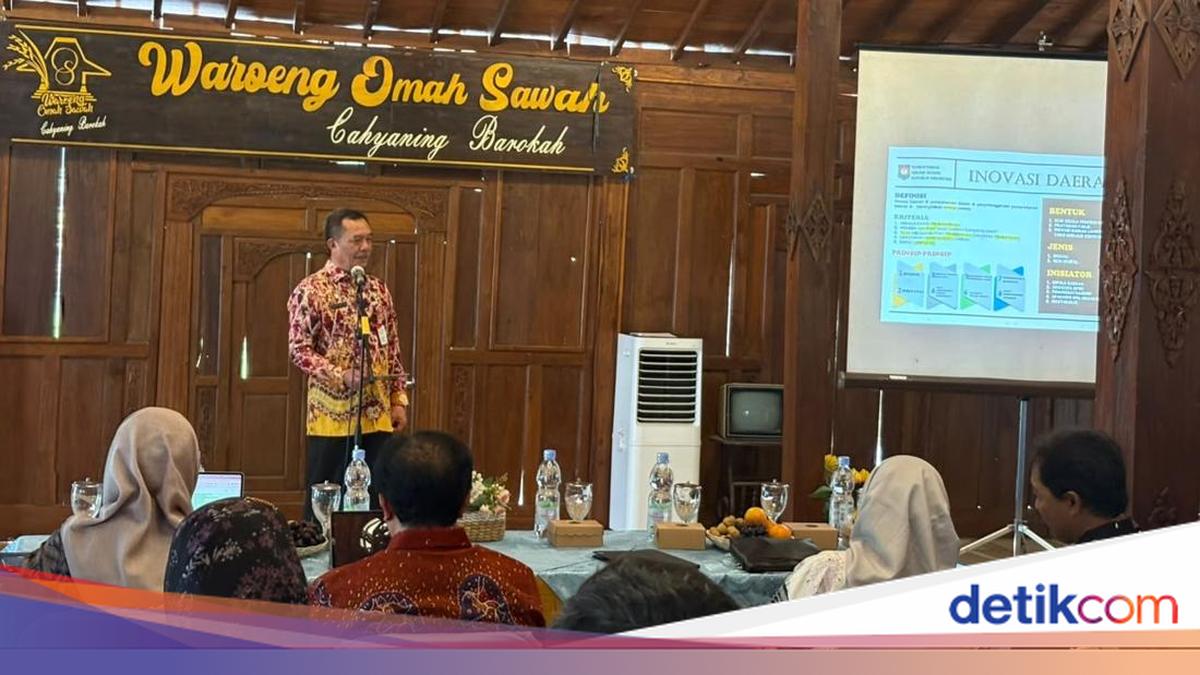
The Head of the Agency for Domestic Policy Strategy (BSKDN) of the Ministry of Home Affairs, Yusharto Huntoyungo, has invited the Bantul Regency Government to strengthen the innovation ecosystem through sustainable collaboration between local governments, schools, universities, and the community. This was stated during his role as a speaker at the 2026 Bantul Innovation Award judging session in Bantul, Special Region of Yogyakarta, on Friday (31/7).
According to Yusharto, the increasingly complex challenges of regional development require cross-sector synergy to ensure that various research results and innovations do not remain confined to laboratories but are downstreamed into real solutions for the public. He explained that local governments can act as ‘offtakers’ for various innovations developed by universities. Conversely, universities require partnerships with local governments to ensure that their research directly addresses community needs.
“Academics from various faculties possess many innovations which, if connected with regional apparatus, will undoubtedly provide benefits for both governance and public services,” he stated in a written release on Friday (30/7/2026).
Yusharto also explained that his agency continues to encourage partnerships between local governments and universities as part of an innovation downstreaming strategy. One implementation involves collaboration with Cenderawasih University, involving over a thousand students participating in the Community Service Programme (KKN) to initiate innovation in the Yapen Islands Regency.
During the briefing, BSKDN introduced more than 200 regional innovations from various parts of Indonesia, including those from Bantul Regency, as references for students to develop solutions tailored to the needs of the communities in their KKN locations. “Recently, we worked with Cenderawasih University to deploy over a thousand KKN students, equipping them with approximately 200 innovations from across Indonesia, including from Bantul, to be developed in the Yapen Islands Regency. This is a form of downstreaming to ensure the culture of innovation expands widely,” he said.
In line with this, Yusharto noted that an innovation ecosystem must also be established starting from primary and secondary education levels. By providing spaces for experimentation, laboratories, and innovation competitions, regions can prepare a generation of innovators capable of addressing future development challenges. Through strong collaboration between local governments, educational institutions, and the community, Yusharto is optimistic that regional innovation will become increasingly high-quality and capable of delivering a real impact on improving public welfare. “Innovation cannot be developed in isolation; it requires collaboration from various parties so that its benefits can truly be felt by the community,” he concluded.