
BSI Specifically Assigned to Handle Automatic Accounts in Aceh, According to Expert
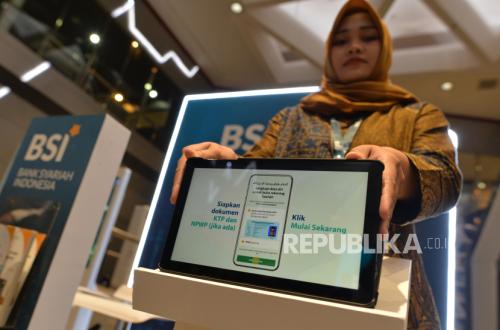
Bank Syariah Indonesia (BSI) has received a special assignment to facilitate the automatic opening of bank accounts for residents aged 17 in Aceh. Professor Rahma Gafmi, an economics expert from Airlangga University (Unair), believes this division is an adjustment to the unique Sharia financial system in Aceh, rather than a restriction on BSI’s national operations.
The CEO of the Danantara Investment Management Agency, Rosan Roeslani, previously explained that Bank Rakyat Indonesia (BRI) will handle account openings across the rest of Indonesia, while BSI will specifically manage the Aceh region. Rahma noted that Rosan’s explanation serves to clarify the technical operational division between BRI and BSI.
“In principle, the programme for automatic account creation for citizens reaching the age of 17 (coinciding with the issuance of the National Identity Card/KTP) will continue to run centrally based on the Dukcapil National Identity Number (NIK), with an initial balance of Rp50,000 provided by the government,” Rahma told Republika on Thursday (10/09/2026).
She explained that the distinction in the designated distributing banks relates to operational territories and compliance with regional regulations.
According to Rahma, Aceh possesses specificities in the implementation of the Sharia financial system, which is regulated through the Sharia Financial Institution Qanun (LKS). Therefore, the appointment of BSI for the Aceh region is deemed necessary to ensure that the implementation of the national programme does not conflict with the provisions applicable in that province.
“Aceh Province has a legal system and Sharia economic specificities regulated via the Sharia Financial Institution Qanun (LKS),” she said.
Previously, Airlangga stated that the government is preparing automatic accounts for every Indonesian citizen entering the age of 17 and possessing a National Identity Card (KTP). These accounts will be linked to the National Identity Number (NIK) and form part of the government’s efforts to expand financial inclusion.
The government aims for approximately 200 million residents to have accounts through this programme. These accounts are also being prepared to support the distribution of various government programmes, including social assistance (bansos).