
BSI Opens Hajj Pilgrimage Cost Payments: Dates and Fees
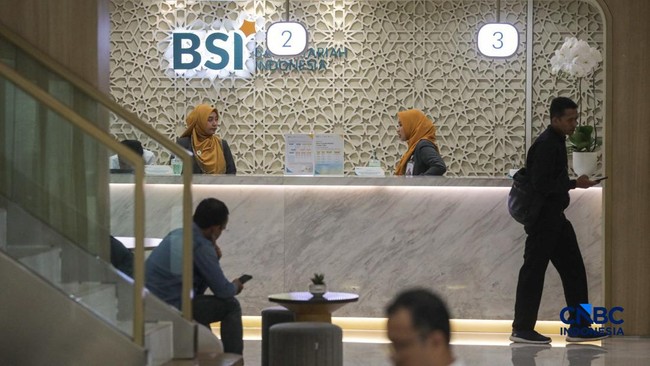
Jakarta, CNBC Indonesia – PT Bank Syariah Indonesia (Persero) Tbk (BRIS), or BSI, has strengthened its service network and digital infrastructure to support Indonesian pilgrims paying their Hajj travel costs (Bipih) for the 1448 H/2027 M pilgrimage. It is making use of all service channels, including its branch network, the BYOND by BSI app and more than 135,000 BSI Agents.
The government, through the Ministry of Hajj and Umrah, opened the first stage of payments for regular pilgrims on 10 November, running until 10 December 2026. The second stage is scheduled for 16–31 December 2026. Ahead of the payment period, BSI said it had prepared its transaction infrastructure and service staff to provide pilgrims with a convenient experience, through both digital and face-to-face channels.
BSI Director of Sales and Distribution Anton Sukarna said that, as Indonesia’s largest Islamic bank and one of the banks with the country’s biggest Hajj customer bases, BSI had a responsibility to provide good service to prospective pilgrims preparing for their pilgrimage. He said the bank’s extensive service network and developing digital capabilities helped it meet public needs.
“We are optimising all our service channels so people can choose what suits their needs and circumstances. At present, around eight in 10 regular Hajj pilgrims eligible to make the payment are BSI customers. This is both a trust and a commitment for us to keep improving our service to prospective pilgrims,” Anton said at a media briefing on regular Hajj payment arrangements at Agreya Coffee in Jakarta on Thursday (12 November 2026).
BSI Hajj Savings data show that 162,712 prospective regular pilgrims—80% of the national quota of 203,000—and 9,844 special Hajj pilgrims were eligible to make first-stage payments. The figures reflect BSI’s contribution to the national Hajj administration ecosystem. The largest numbers of eligible pilgrims are from East Java, Central Java and West Java.
Prospective pilgrims can pay digitally through the BYOND by BSI app without visiting a branch. They should log in, select “Pay”, then “Hajj and Umrah” and “Hajj Payment”. They then select the account to be debited, enter their pilgrimage registration number, check that the details are correct and enter their transaction PIN. Once payment is successful, they receive a receipt as proof of payment.
Pilgrims who need in-person assistance can use BSI’s branches and agents across the country. The BSI Agent network is intended to widen access to Islamic banking, particularly for people in areas with limited access to branches, giving pilgrims a more convenient nearby payment option.
BSI said it was also providing information about payment dates, administrative requirements and documents through social media, its official website, BSI Call 14040 and branch offices. Prospective pilgrims were advised to meet the government’s health istitaah requirements before making payment, including obtaining a certificate confirming their health eligibility.
The bank said it was ensuring the reliability of its systems and the security of digital transactions during the payment period to protect customers’ funds and data. In addition to facilitating Bipih payments, BSI is advising pilgrims to prepare for transactions in Saudi Arabia using the BSI Mabrur Debit Card and BSI Hasanah Card. The cards can be used for payments and cash withdrawals at available ATM networks in Saudi Arabia, reducing the need to carry large amounts of cash.
Nurchalis, the Ministry of Hajj and Umrah’s director of domestic Hajj services, said the government had set out a measured payment schedule to ensure Indonesian pilgrims’ departures were orderly and transparent and that pilgrims had certainty. Indonesia’s quota this year is 221,000 pilgrims: 203,320 regular and 17,680 special Hajj pilgrims.
“We urge pilgrims included in the quota allocation to pay attention to the requirements and payment schedule and not to delay payment. Support from banks, including BSI, is important in ensuring the process is easy, safe and convenient for pilgrims,” Nurchalis said.
BSI said that, by strengthening its physical and digital service networks, it was committed to remaining a strategic government partner in providing integrated financial services for Hajj pilgrims. It said its role extended beyond facilitating final payments to supporting customers’ spiritual journey, with financial assistance from preparation and departure through to the pilgrimage in the Holy Land, under its “Serving with All Our Heart” commitment.
Under government rules, the 2026 regular Hajj Organising Cost (BPIH) is Rp98,466,351 per pilgrim. The Bipih amount payable by each pilgrim varies according to their departure embarkation point. The final payment is the difference between the Bipih amount for that embarkation and the Rp25 million initial deposit already paid.
The regular Hajj payment amounts by embarkation are:
Aceh: Rp43,695,779
Medan: Rp44,020,279
Padang: Rp44,148,779
Balikpapan: Rp49,891,779
Banjarmasin: Rp50,128,779
Lombok: Rp50,366,779
Batam: Rp51,531,279
Palembang: Rp52,161,279
Solo and Yogyakarta: Rp52,710,779
Jakarta: Rp53,543,779
Kertajati: Rp55,101,279
Makassar: Rp55,428,465
Surabaya and Dhoho: Rp58,146,279
Source: jawawa.id (https://jawawa.id/newsitem/bsi-opens-hajj-pilgrimage-cost-payments-dates-and-fees-1794487909)
Originally published by CNBC Indonesia (https://www.cnbcindonesia.com/market/20261112182627-17-784790/bsi--bris--buka-pelunasan-ongkos-haji-ini-jadwal-dan-biayanya), translated from Indonesian