
BSI Makassar channels Rp67.9 billion ZIS funds in South Sulawesi
Makassar (ANTARA) – PT Bank Syariah Indonesia (Persero) Tbk (BSI) Regional X Makassar until 2026 has distributed zakat, infaq and sedekah (ZIS) funds amounting to Rp67.9 billion in the South Sulawesi region (Sulsel).
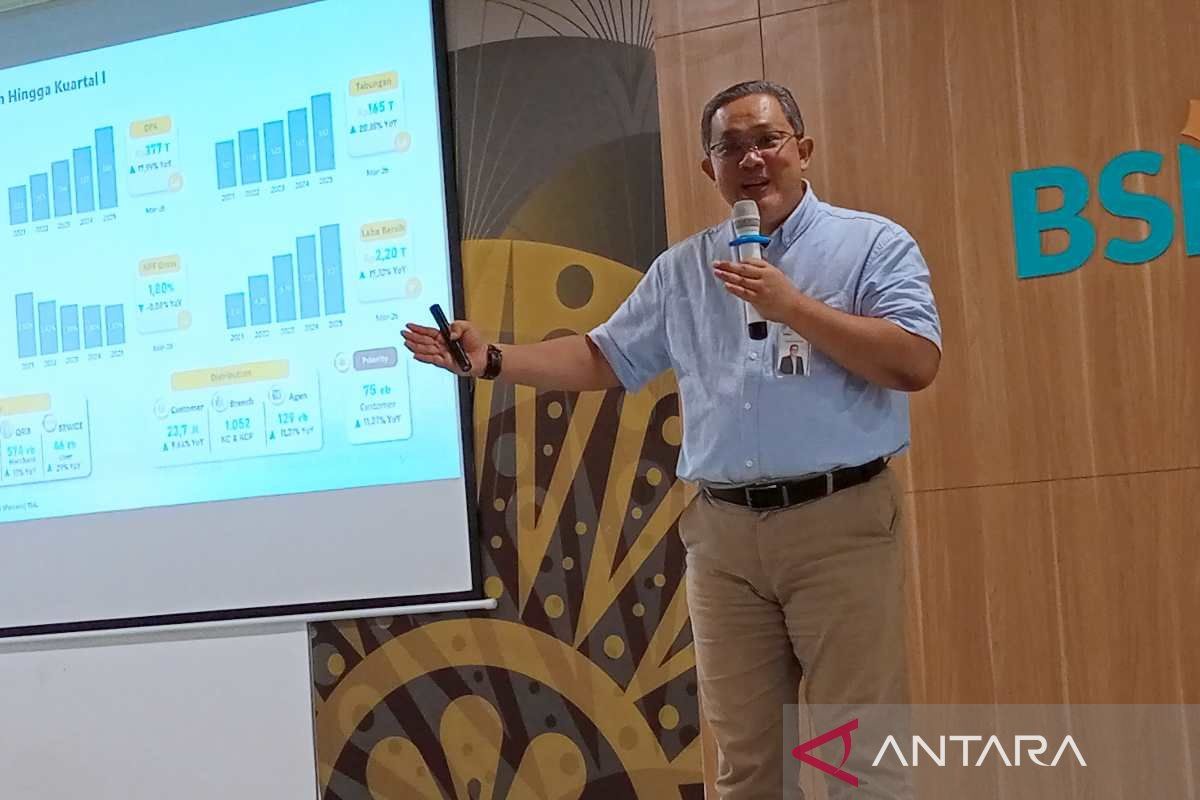
RCEO BSI Regional Makassar Sukma Dwie Priardi, in Makassar, on Saturday, said that the distribution of zakat, infaq, and sedekah (ZIS) funds in the South Sulawesi region had reached Rp67.9 billion with a total of 16,508 beneficiaries.
‘Disbursement is carried out through various umat empowerment programmes covering education, economy, and social affairs,’ he said.
Sukma explained that the ZIS distribution programmes are divided into several main categories, namely Didik Umat, Mitra Umat, and Simpati.
For the Didik Umat programme, the disbursed funds reached Rp18.9 billion with a total of 594 beneficiaries.
‘This programme is realised through the BSI Scholarship, which is an undergraduate (S1) scholarship programme to form a generation of youths who are characterful, trustworthy, and capable of becoming role models,’ he said.
In South Sulawesi, beneficiaries of the scholarship programme come from various higher education institutions, including Universitas Muslim Indonesia (UMI), Universitas Negeri Makassar (UNM), Universitas Hasanuddin (Unhas), Universitas Muhammadiyah Makassar, UIN Alauddin Makassar, and IAIN Parepare.
Meanwhile, in the economic empowerment sector through the Mitra Umat programme, the funds channelled reached Rp10.9 billion with 300 beneficiaries.
Sukma added that the Desa BSI and UMKM Maslahat programmes are among the main focus in strengthening the community economy through the development of ultra micro and micro enterprises based on clusters, such as agriculture, livestock, fisheries, and plantations.
Some of the programme recipient areas in South Sulawesi include sea urchin processing in Pangkep Regency, Village Foster Cluster Cattle Slaughter in Gowa Regency, as well as UMKM shrimp farming (vaname) in Barru Regency.
Mentoring is conducted intensively from increasing business legality, strengthening product quality, financial management, to expanding market access.
According to Sukma Dwie Priardi, these programmes are expected to boost the productivity of business actors, open up new economic opportunities, and drive sustainable community economic growth.