
BSI Launches Green Zakat Programme to Turn Waste into Gold Savings
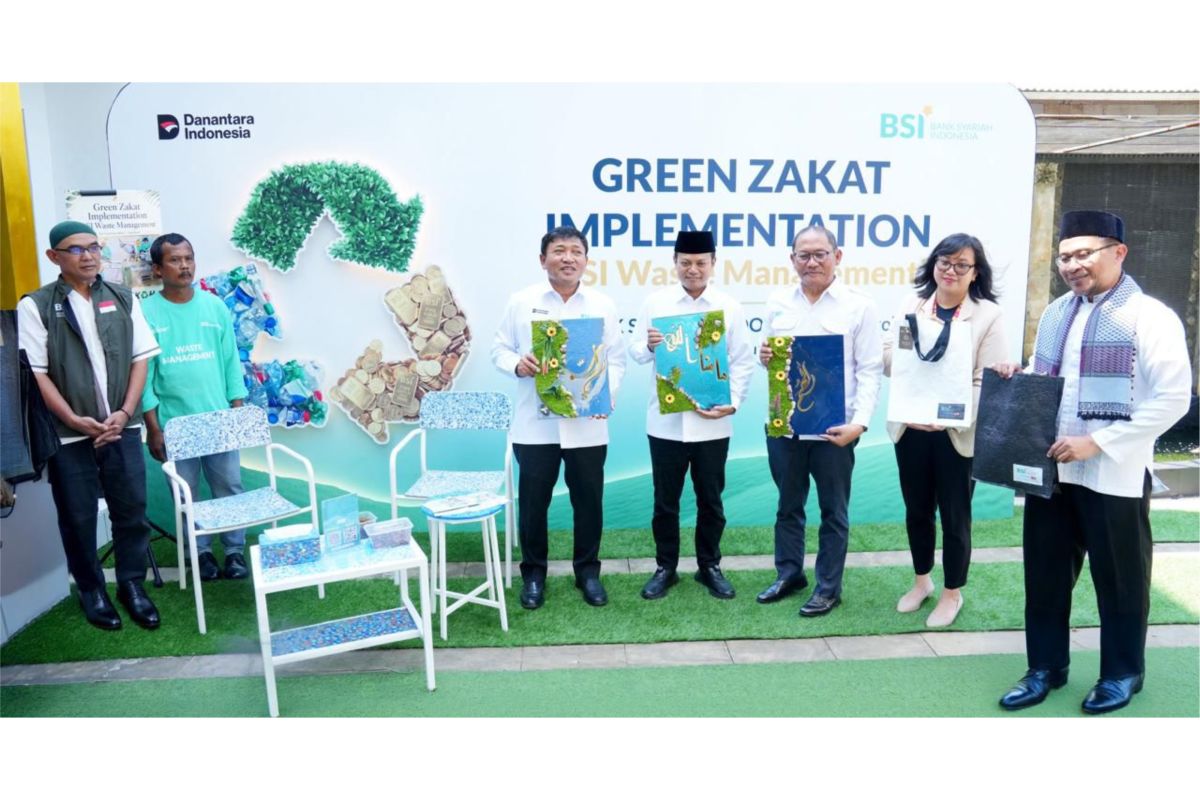
Bank Syariah Indonesia (BSI) has launched a Waste Management Programme designed to empower mustahik (zakat beneficiaries) by transforming inorganic waste into gold savings. The initiative, part of the bank’s ‘Green Zakat’ concept, seeks to change the paradigm that waste is merely rubbish, instead viewing it as a resource capable of generating economic, social, and environmental value.
BSI Deputy CEO Bob T. Ananta stated that the programme bridges mustahik empowerment, environmental conservation, and public investment literacy. Beneficiaries will collect and sort inorganic waste, which will then be processed into saleable recycled products such as goodie bags, plaques, chairs, and tables. The public can also participate by depositing sorted inorganic waste at designated kiosks; once the value reaches a minimum of Rp55,000, it is converted into a BSI Gold savings balance.
The programme responds to Indonesia’s significant waste management challenges, with national waste production reaching approximately 30 million tonnes annually. BSI views this as an opportunity to apply innovative, sharia-compliant social finance to reduce waste accumulation while boosting community welfare.
In its initial phase, the programme targets over 20 beneficiary families in the Bantar Gebang area and South Tangerang, aiming to manage more than 27 tonnes of recyclable waste. BSI will gradually open five waste management kiosks from June to August 2026 in locations including Pondok Pesantren Hafidz Indonesia Centre in Bekasi, Malibu Village Housing in Tangerang, Paramount Market in Serpong, Villa Dago Housing in Pamulang, and Kampung Utan Pertamina Housing in Ciputat. The bank has allocated Rp1 billion for training, skill development in recycled goods production, and kiosk construction.
BSI emphasised that the Green Zakat programme aligns with the government’s Astacita national development agenda, particularly in strengthening grassroots economies and sustainable development. It also supports the Sustainable Development Goals (SDGs) related to poverty alleviation, decent work, inclusive economic growth, and climate action. The bank remains committed to innovating in zakat utilisation, confident that integrating sharia social finance, economic empowerment, and environmental conservation can turn waste into a blessing and foster a greener, more inclusive, and prosperous Indonesia.