
British Museum Removes 'Palestine' After Pro-Israel Activist Pressure
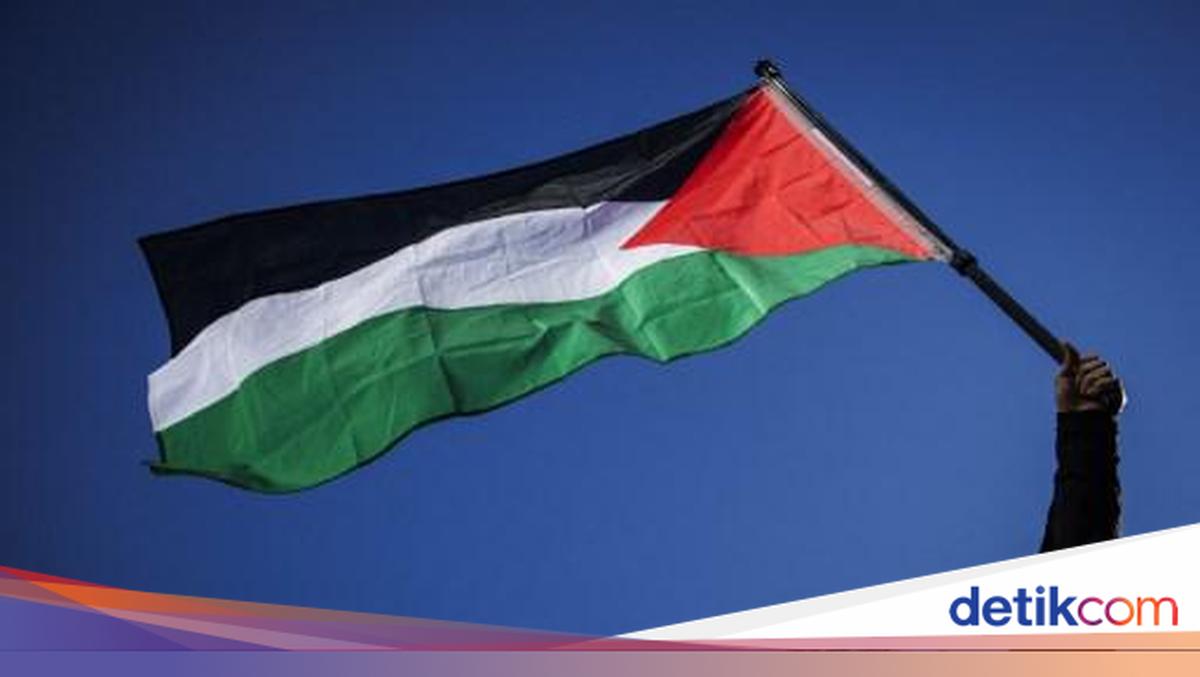
The British Museum has removed the word ‘Palestine’ and ‘Palestinians’ from its exhibition materials after persistent pressure from pro-Israel activists. Palestinian Ambassador to the UK Husam Zomlot reacted strongly, warning that ‘erasing history is the first step towards erasing the future’.
According to Middle East Eye, the museum also removed the term ‘Israeli occupation’ from its materials. The move is believed to be a direct response to months of lobbying by pro-Israel activists and supporters throughout 2024. The report emerged after The Telegraph earlier this year detailed how UK Lawyers for Israel (UKLFI), a pro-Israel campaign group, had successfully lobbied for the removal of the word ‘Palestine’ from the museum’s displays.
The British Museum has denied the accusations, although it previously claimed it had conducted ‘visitor testing’ which showed the term ‘Palestine’ was ‘no longer meaningful’. However, a Middle East Eye investigation confirmed that no such testing or visitor research regarding the term ‘Palestine’ was ever conducted by the museum. The museum’s varied and contradictory responses appear to obscure the true scope of the changes made.
In fact, according to MEE, the changes to exhibition materials covering a historical period of more than 2,000 years were made following complaints, both private and public, from various prominent pro-Israel organisations and figures between October and December 2024. This was revealed through internal museum emails, which MEE analysed by cross-referencing two heavily redacted sets of internal correspondence with online complaints to identify the activists and public figures who lobbied the museum. Those who lodged complaints included a former Daily Mail editor, a prominent historian, and the Board of Deputies of British Jews, a pro-Israel Jewish community organisation that recently partnered with the British Museum for a Jewish Culture Month commemoration event. The complaints were made, and the changes agreed by the museum, over a period of 14 months before the widely publicised intervention by UKLFI earlier this year.
The British Museum told MEE that the assumption it had removed the word ‘Palestine’ from its materials was ‘entirely untrue’. However, the museum declined to provide substantive answers regarding MEE’s latest findings or to respond to detailed statements submitted. It also referred back to a press statement released last February. ‘There are reports stating that the British Museum has removed the term Palestine from exhibition materials. That is entirely untrue. We continue to use the term Palestine in a number of galleries, displaying both contemporary and historical collections,’ a British Museum spokesperson told MEE.
Ambassador Zomlot condemned the British Museum, calling the removal of references to Palestine a matter ‘very crucial to our existence’. He deemed the museum’s denials ‘untenable’. ‘I can no longer give the benefit of the doubt after we conducted our own investigation and found the removal of references to Palestine, both ancient and modern, despite official recognition from the British government,’ he said. ‘Erasing history is the first step to erasing the future. This concerns our existence, especially in light of the ongoing genocide,’ Zomlot warned. He has written to the museum and the British government demanding the removal be reversed. ‘By erasing the mention of Palestinian history, the British Museum betrays its commitment to history and allows itself to be exploited for political purposes,’ he stressed.