
British Fighter Jets Deployed to Protect Saudi Arabia from Houthi Attacks
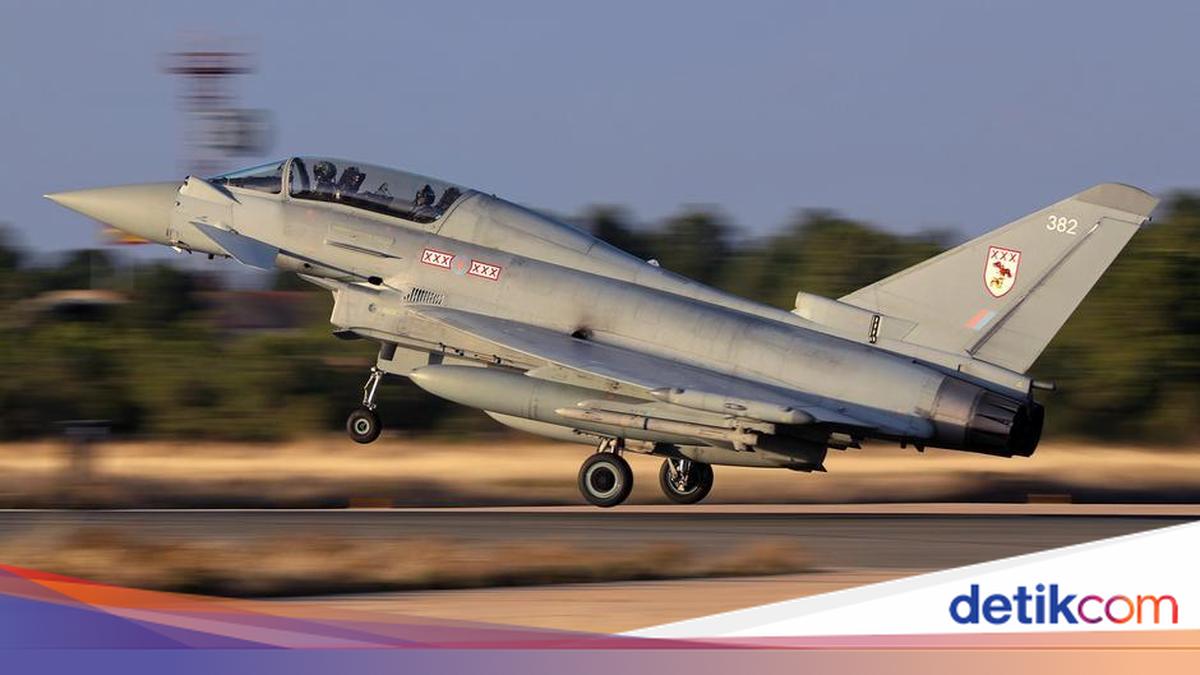
The UK will deploy Royal Air Force Typhoon fighter jets to Saudi Arabia to help defend the country against attacks by the Houthi group, the British government announced on Tuesday (20 October).
The British Ministry of Defence said the aircraft would protect Saudi cities and critical infrastructure from drone and missile attacks. British aircraft will not strike Houthi targets in Yemen, but will only intercept missiles or drones in the air.
“Continued Houthi attacks on our ally, Saudi Arabia, are wholly unjustifiable,” Defence Secretary Wes Streeting said.
He also condemned attacks on Riyadh International Airport, which has been targeted at least 20 times since early October, killing at least 18 people and injuring hundreds.
The civil war in Yemen has intensified again after a ceasefire that had held for years collapsed last September.
The Houthis have increasingly targeted Saudi oil facilities and civilian infrastructure. The group has also imposed a maritime blockade and attacked tankers, disrupting oil exports and driving up energy prices.
Saudi Arabia and the United States have accused Iran of supporting the Houthis. Tehran denies the allegations.
Additional British military support
The deployment of fighter jets was requested by Saudi Arabia and adds to military assistance announced by London last September.
Alongside the Typhoons, the UK will send Atlas A400M military transport aircraft and military advisers.
Last month, the UK provided aerial refuelling support for Saudi aircraft fighting the Houthis. Streeting said that mission had now been extended for a further 90 days.
He also stressed that there was no long-term military solution to ending the war in Yemen.
“We continue to support the UN-led political process as the best path towards lasting peace,” he said.
A spokesman for Prime Minister Andy Burnham rejected the suggestion that the UK was becoming more deeply involved in the conflict.
“Our support for Saudi Arabia is measured, proportionate and focused on helping it defend itself against continuing Houthi attacks,” government spokesman Tom Wells said.
Saudi Arabia seeks help from allies
According to the Associated Press, Saudi Arabia has asked several allies, including France, the UK, Pakistan and Egypt, to provide air-defence support against missile and drone attacks from the Houthis and other groups affiliated with Iran.
The United States, which struck the Houthis during the administrations of Joe Biden and Donald Trump, has opted not to take the same course this time.
Egypt, meanwhile, announced military assistance and said it was ready to provide “all possible forms of support” to help Saudi Arabia “maintain its security and stability”.
An Egyptian government official also said the country would deploy air-defence systems and military aircraft to help intercept missiles and drones fired towards Saudi Arabia.
How is the conflict affecting Saudi Arabia’s economy?
Rising security threats are beginning to affect Saudi Arabia’s economic agenda.
The Saudi government has postponed the Future Investment Initiative (FII), often dubbed “Davos in the Desert”, until 2027. The event, originally scheduled for 26–29 October, was expected to attract global investors and finance professionals.
Several media outlets have reported that major banks and private investment firms raised concerns about the security situation.
The conference is one of Saudi Arabia’s main tools for attracting foreign investment and reducing its economic dependence on oil.