
British Airways Once Flew Into Mount Galunggung Eruption Cloud: The Dangers of Volcanic Ash for Aircraft
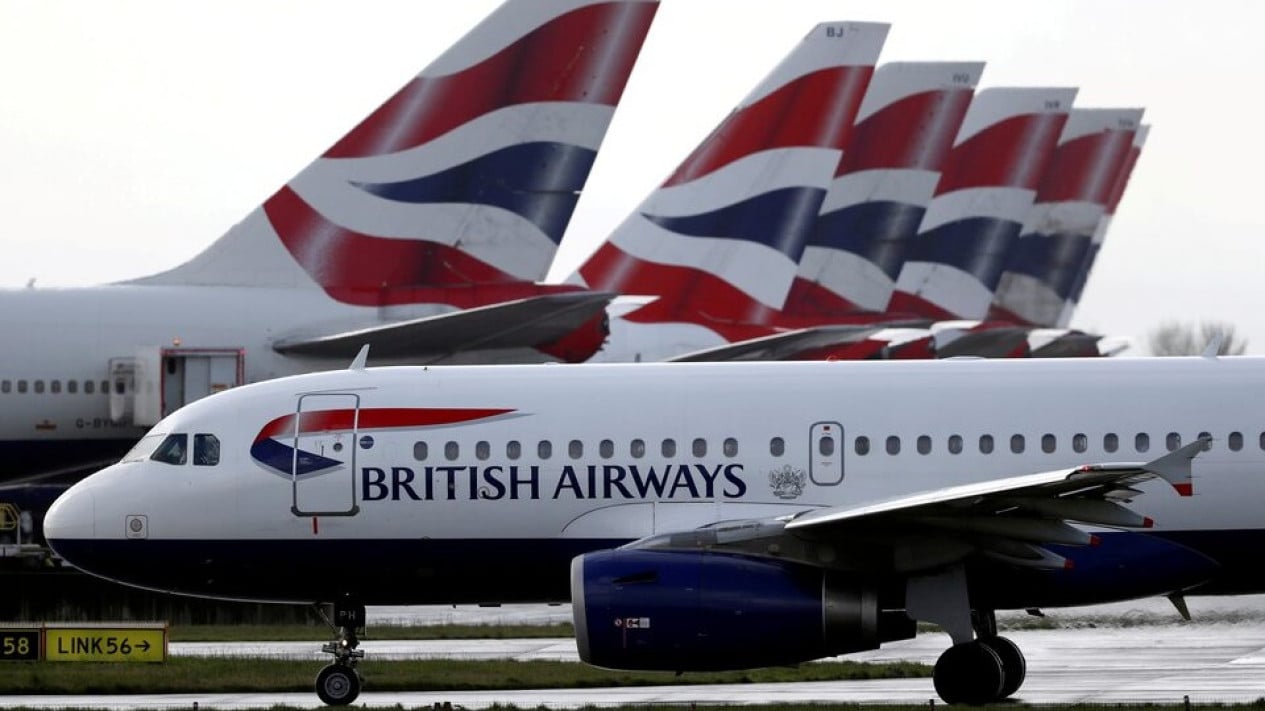
Thousands of flights were affected by the eruption of Mount Anak Krakatau on Sunday, 6 September 2026. The suspension of operations due to volcanic eruptions is a non-negotiable aviation safety procedure. Volcanic ash is known to damage various vital aircraft components, ultimately endangering the safety of passengers and cabin crew.
According to skybrary.aero, the primary risk to flight safety when an aircraft passes through high concentrations of volcanic ash is the melting of ash particles inside the engines. Volcanic ash consists largely of silicates, which have a melting point of around 1,100 degrees Celsius.
This temperature is considerably lower than the core temperature of modern high-bypass turbofan engines, which under normal power settings reach at least 1,400 degrees Celsius. Engine core temperatures also tend to rise as engine designs evolve to prioritise fuel efficiency.
Silicate ash that enters the engine melts in the high-temperature sections. The material then adheres to high-pressure turbine blades and guide vanes. This condition can drastically narrow the airflow path, causing pressure in the combustion chamber and compressor outlet to rise rapidly. As a result, the engine can experience a surge, or airflow disruption, causing a loss of thrust.
In the most severe cases, the aircraft can experience temporary or even total loss of thrust. The engine can only be restarted once the aircraft exits the ash cloud and re-enters clean air. If the concentration is high enough, ash particles can also impair engine performance simply by accumulating inside it.
Ash deposits can block engine airflow and initially trigger an engine surge, which can ultimately lead to a flame-out, or engine shutdown. Rapidly reducing engine thrust to idle can lower the core temperature, thereby preventing silicate particles from melting.
In addition, volcanic ash can cause long-term engine damage. Volcanic ash particles are abrasive, and their impact can roughen the internal surfaces of turbine engines. While this condition does not always directly disrupt engine operation, the damage can lead to increased fuel consumption. Such damage cannot be repaired, meaning the service life of engines exposed to volcanic ash can be significantly reduced.
Source: jawawa.id (https://jawawa.id/newsitem/british-airways-once-flew-into-mount-galunggung-eruption-cloud-the-dangers-of-volcanic-ash-for-aircraft-1788717038)
Originally published by VIVA.co.id (https://www.viva.co.id/berita/nasional/1926726-british-airways-pernah-masuk-awan-erupsi-gunung-galunggung-ini-bahaya-abu-vulkanik-bagi-pesawat), translated from Indonesian