
BritCham Indonesia Highlights Need for Indonesia-UK Trade Tariff Reform
Indonesia and the United Kingdom continue to impose high import tariffs on several products. Indonesia applies significant duties ranging from 40% to 150% on certain alcoholic beverages, vehicle components, and tobacco-related products from the UK. Specifically, vehicles (HS 87) face a 41% tariff, while Indonesian exports such as meat from whales, dolphins, and porpoises face duties of 131%, and alcoholic beverages are taxed at 150%.
These high tariffs could erode import demand, even for products essential to Indonesia, such as vehicles. The high level of trade barriers between Indonesia and the UK is considered regrettable, given their long-standing diplomatic relationship dating back to 1949. Currently, the value of Indonesia-UK trade lags significantly behind other European nations. According to data from Statistics Indonesia (BPS), total trade between Indonesia and the UK reached US$2.68 billion in 2025, whereas trade with the Netherlands reached US$5.69 billion in the same year.
For the United Kingdom, Indonesia is not yet a primary trading partner, ranking 55th on their list of trading partners. This indicates that the trade potential between the two nations has not been fully utilised. With a population exceeding 280 million, a dominant productive-age demographic, and increasing urbanisation, Indonesia represents a massive market with vast middle-class growth potential. Conversely, the UK offers significant potential through its Developing Countries Trading Scheme (DCTS), which provides advantages by removing or reducing tariffs on various products from developing nations, making exports more competitive in the UK market.
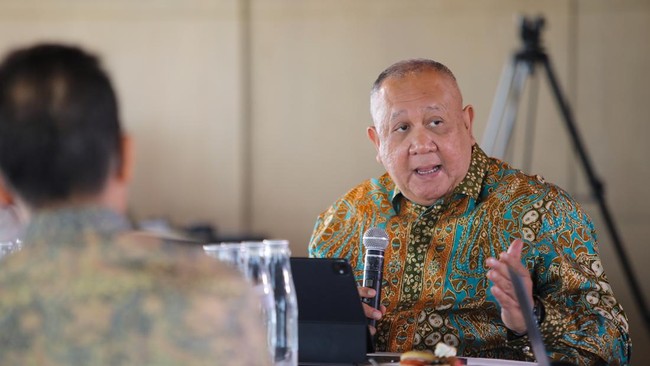
Donny Donosepoetro OBE, Chairman of the Advisory Board of the British Chamber of Commerce (BritCham) Indonesia, stated that according to a Standard Chartered survey of 1,200 global CEOs, tariffs remain a primary consideration. However, Donny emphasised that tariff reform in the digital era must involve technological readiness and the alignment of non-tariff barriers.
“In the past, tariffs were merely steps for domestic economic protection and fiscal revenue instruments. However, today, tariffs can be weaponised. Consequently, tariffs are no longer the sole factor for companies when determining supply chains or market penetration,” Donny remarked during the CNBC Indonesia Coffee Morning titled “Redefining Trade Rules: Fair Tariffs for Long-Term Sustainable Partnerships” on Tuesday (26/5/2026).
Nevertheless, Donny assessed that Indonesia’s current import tariffs are actually at a reasonable level. He noted that the real challenge lies in ‘invisible barriers’. Donny asserted that for international corporations, tariffs are no longer the only determinant for investment; rather, ease of execution, customs efficiency, and the interoperability of digital standards between countries are crucial.