
BRIN Urges Local Governments in South Kalimantan to Implement Nine-Step Communications Strategy
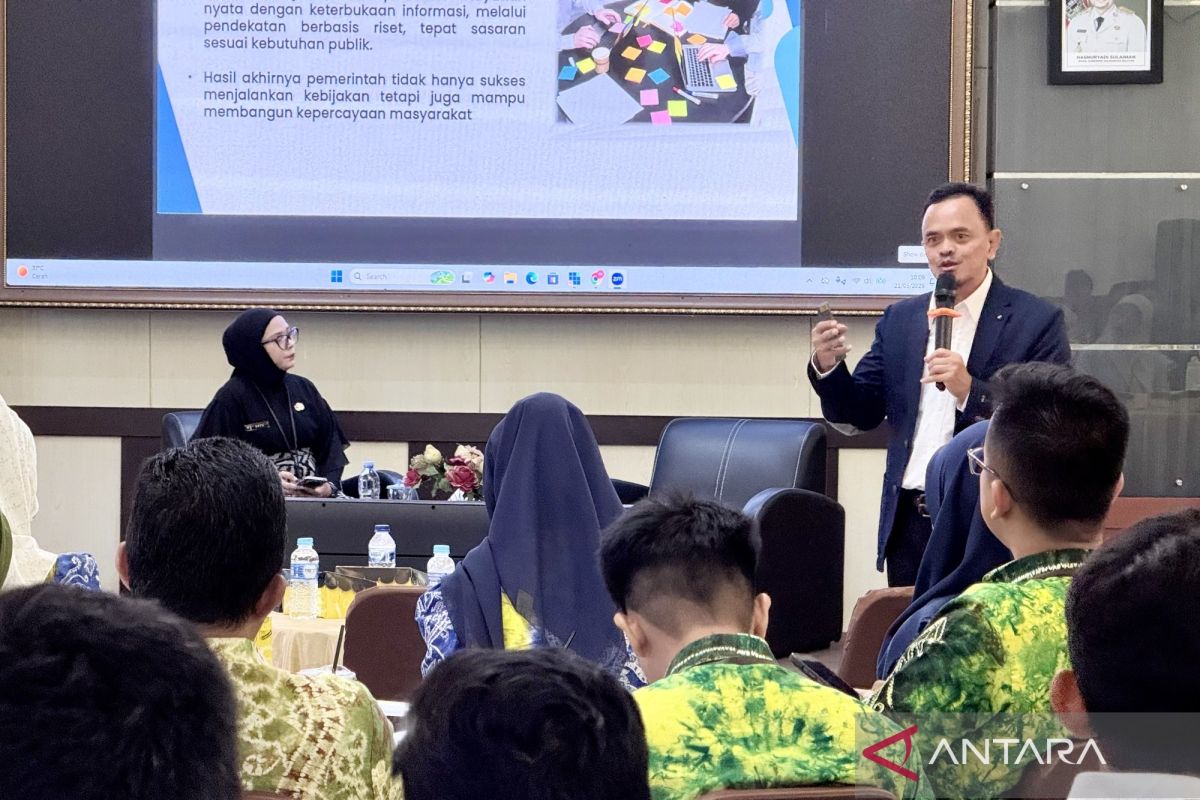
Banjarbaru (ANTARA) — The National Research and Innovation Agency (BRIN) is urging regional governments in South Kalimantan to implement a nine-step public relations and communications strategy to anticipate disinformation and unify the government’s programme narrative so that the delivery of public policy is transparent, accurate and measurable. Dodi Rosadi, a Senior Public Relations Officer in BRIN’s Bureau of Public Communications, General Affairs and Secretariat, said strengthening the government’s communications methodology is a key need amid rising potential for information conflicts and the spread of false information in the digital space. ‘A well-planned communications planning document will become a strategic guide for institutions to communicate messages in a planned and measured way so that government public relations no longer operate on spontaneous assumptions, but on real data,’ he said during the Technical Guidance on Local Government Communications Strategy for South Kalimantan in Banjarbaru on Thursday. He explained that the nine steps of the communications strategy are adopted from a Strategic Planning Model that segments public relations work into four major phases: formative research, strategy development, tactic execution, and evaluative research to maintain continuity of the narrative across government institutions. He said the first phase begins with formative research through the use of media monitoring instruments and structured group discussions to map internal strengths, bureaucratic weaknesses, opportunities to strengthen public communication, and external threats such as misinformation. Through these phases, the regional governments are seen as able to build more targeted, data-driven communication patterns, enabling them to anticipate information conflicts while enhancing public trust in government programmes and policies. In the strategy phase, government agencies are required to set specific, measurable, and relevant objectives so that the communications built can influence levels of knowledge, attitudes, and even concrete public actions towards government programmes. Dodi added that strengthening tactics involves combining various information channels from owned media such as the institution’s official site, paid media, shared media via press partnerships, to direct face-to-face communication with the community. ‘All these phases converge on evaluative research to measure the overall success of the government’s communications programme, from the number of contents produced to its impact on increases in public trust in the government,’ he said.