
BRIN Targets NEO-1 Satellite Launch for January 2027
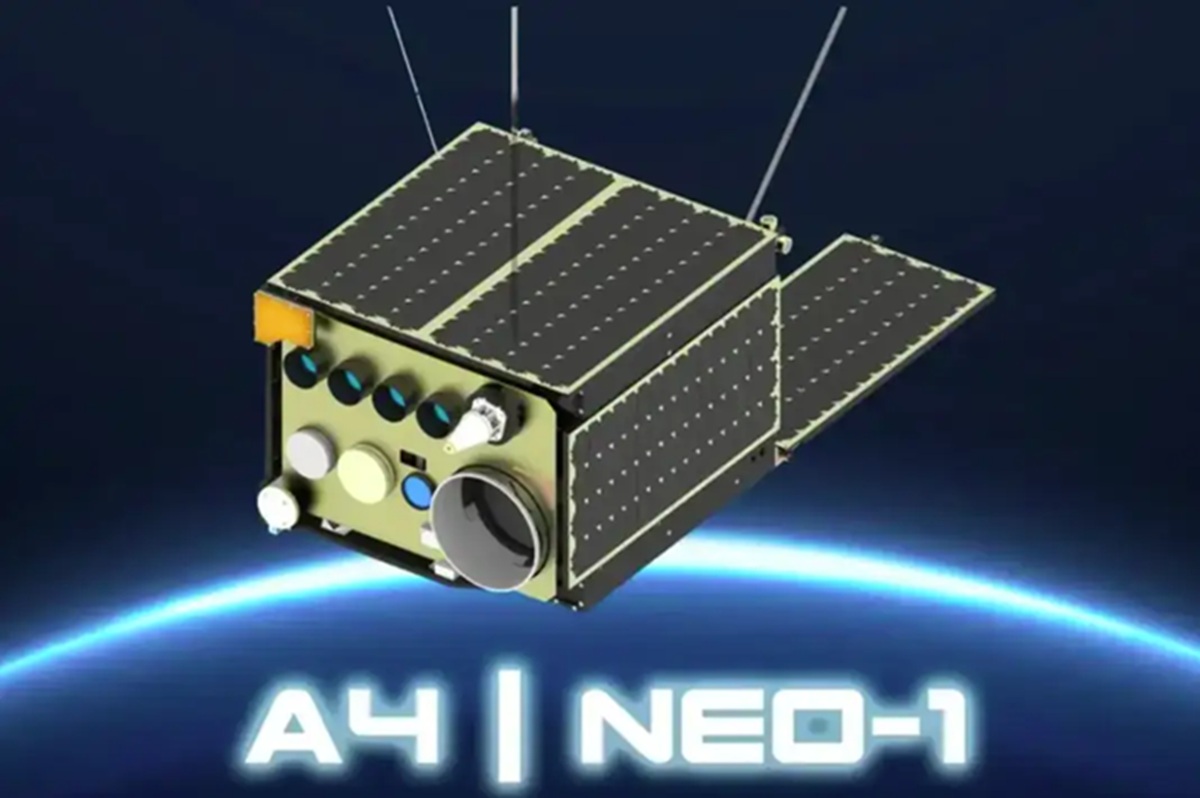
The National Research and Innovation Agency (BRIN) is targeting the launch of the Nusantara Earth Observation-1 (NEO-1) satellite in January 2027. The satellite is projected to be Indonesia’s first earth observation satellite developed through comprehensive technological mastery, from design to operation.
Head of BRIN Arif Satria stated that the development of NEO-1 is part of a national strategy to strengthen satellite technology independence while reducing reliance on foreign technology. “Satellite independence is not merely the ability to own a satellite. Independence means the nation’s ability to design, build, integrate, test, launch, operate, and utilise satellites independently, thereby providing economic benefits while strengthening Indonesia’s digital sovereignty,” Arif said on Thursday (9/7).
According to Arif, NEO-1 will provide satellite imagery data that can be used for regional mapping, monitoring the agricultural, forestry, marine, and environmental sectors, disaster mitigation, and vessel monitoring through the Automatic Identification System (AIS). He added that the development of the earth observation satellite is an initial step towards broader space technology mastery. BRIN is also promoting the construction of a National Spaceport, the development of telecommunications satellites, and the strengthening of the national space industry as part of Indonesia’s space ecosystem.
“Through the launch of NEO-1, the development of the National Spaceport, the growth of the space industry, and the strengthening of sustainable orbit and space management policies, we are laying the foundation for Indonesia to not only be a user of space technology but to become a technology producer, service provider, and a major player in the global space economy,” he said. Arif assessed that Indonesia has a strategic advantage by being located in the equatorial region, which is more efficient for satellite launches. He believes this geographical advantage needs to be supported by strengthened research, innovation, human resources, and cross-sector collaboration.
Director General of Digital Infrastructure at the Ministry of Communication and Digital Affairs, Wayan Toni Supriyanto, said satellites are strategic infrastructure that supports telecommunications services in frontier, outermost, and disadvantaged regions, while also supporting the education, health, disaster management, and defence sectors. “Satellite connectivity is not merely a technical matter, but a matter of sovereignty. Whoever controls their own satellite infrastructure controls the future of the nation’s information and communication resilience,” he stated.
Meanwhile, Chairman of the Indonesian Satellite Association (ASSI), Risdianto Yuli Hermansyah, assessed that developments in satellite technology, including mega-constellations, the Internet of Things (IoT), and remote sensing data-based services, open significant opportunities for Indonesia to build a more competitive satellite industry. According to him, strengthening research, innovation, regulation, and domestic content levels is key to ensuring Indonesia is not just a market but a major player in the global satellite industry.