
BRIN Studies Controlled Burning Option as Forest Fire Area Surges Eightfold
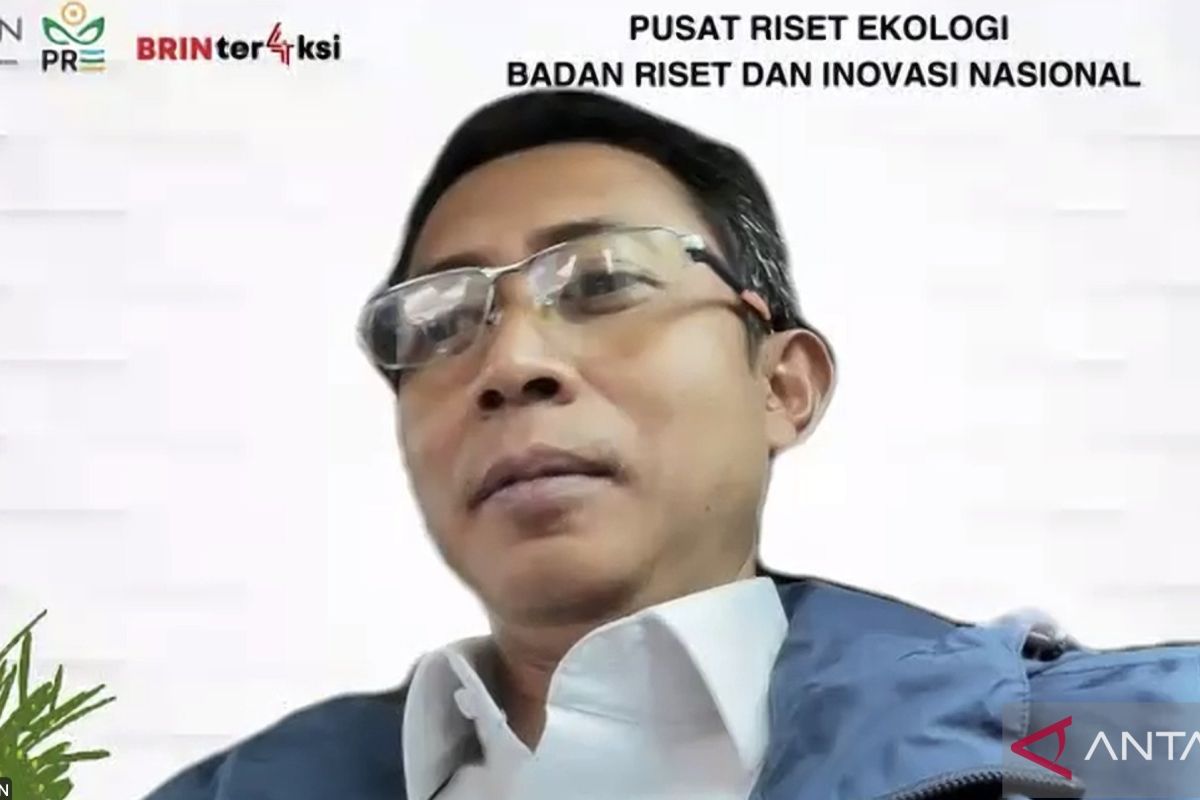
The National Research and Innovation Agency (BRIN) is studying the option of implementing prescribed burning methods in certain ecosystems as a mitigation strategy amid an eightfold surge in the national area of forest and land fires (karhutla). Head of BRIN’s Ecology Research Centre, Asep Hidayat, stated that the majority of forest and land fires are triggered by human activity, while dry climate factors act to amplify the scale and intensity of the fires. “Fire management requires prevention, early detection, ecosystem restoration, and community involvement, including the possibility of controlled burning in specific ecosystems,” he said. In a discussion titled ‘When Fire Can Heal: Prescribed Burning, El Nino, and Fire Management in Indonesia’ organised by BRIN’s Ecology Research Centre together with Yayasan Konservasi Alam Nusantara (YKAN), Asep explained that prescribed burning has a number of benefits if carried out appropriately. These include accelerating forest regeneration, reducing the accumulation of natural fuels such as dry leaves, twigs, and grasses that can trigger large fires, controlling invasive species, maintaining the balance of natural ecosystems, and improving soil fertility. This was echoed by fire management expert McRee Anderson from the international environmental organisation The Nature Conservancy (TNC), who explained that this practice has been applied for decades in various countries such as the United States, Australia, and Canada as part of a strategy to reduce natural fuel loads and manage fire risk. Forest and land fire mitigation efforts in Indonesia must be taken seriously, as data from the Ministry of Forestry presented during the discussion revealed that the accumulated area of forest and land fires in Indonesia from January to May 2026 has reportedly reached 81,077 hectares. This burnt area shows a very significant surge, nearly eight times higher compared to the same period in 2025, which was recorded at 10,444 hectares. “So the question is, can fire be controlled? The answer is yes. Although this requires in-depth study regarding its negative impacts,” said Asep. Meanwhile, Deputy for Climatology at the Meteorology, Climatology, and Geophysics Agency (BMKG), Ardhasena Sopaheluwakan, added that based on satellite monitoring, the number of hotspots since the beginning of the year up to 8 June 2026 has reached 2,312 points. Ardhasena noted that the highest concentration of hotspots so far has been detected in Riau Province with 607 points, followed by West Kalimantan with 478 points, and Aceh Province with 220 points. BMKG predicts that the graph of hotspot emergence will continue to rise in the coming period, in line with indications of a strengthening El Niño dry climate phenomenon in Indonesia. Therefore, BMKG stressed the importance of strengthening synergy between agencies to integrate various dimensions of forest and land fire handling, from science-based early warning systems to concrete mitigation actions at the community level.